










Table of Contents
Complete Guide: How to Get High-Quality Backlinks for Your Website
Understanding the Role of Backlinks in SEO
Backlinks are like the secret sauce of SEO; without them, your website is just a bland dish nobody wants to try. A staggering 93% of online experiences begin with a search engine, and if you’re not ranking high, you might as well be invisible. If you've ever wondered how to get backlinks that actually matter, buckle up—this ride is about to get interesting.
Why Backlinks Matter
Think of backlinks as votes of confidence from other websites. Each link pointing to your site tells search engines like Google that your content is credible and worthy of attention. It’s like being the popular kid in school; the more friends you have (a.k.a. links), the more likely others will want to hang out with you (or visit your site).
But not all backlinks are created equal. A link from a high-authority site—say, a major news outlet—carries much more weight than a link from your neighbor’s blog about knitting. This is where understanding how to get backlinks becomes crucial; targeting quality over quantity can make or break your SEO strategy.
The Impact on Rankings
Backlinks are one of the top three ranking factors for Google, which means they play a pivotal role in determining where your site appears in search results. In fact, studies show that websites with a higher number of quality backlinks tend to dominate the first page of Google results. If you're still pondering how to get backlinks effectively, consider this: every time someone links back to your content, it's like giving you a little SEO boost.
- Increased organic traffic: More backlinks lead to higher visibility.
- Improved domain authority: Quality links enhance your site's credibility.
- Higher referral traffic: Users clicking on links bring direct visitors.
Quality over quantity should be your mantra when pursuing backlinks.
(Mis)Conceptions About Backlinks
All backlinks are good—this misconception could sink your SEO ship faster than you can say Google penalty. While it’s tempting to chase after every link opportunity, focusing on low-quality or spammy sites can harm your reputation and rankings. Instead, aim for reputable sites within your niche that align with your content.
How Do I Get These Magical Backlinks?
- Create shareable content (think infographics or comprehensive guides).
- Engage in guest blogging on reputable sites within your industry.
- Leverage social media platforms for outreach and promotion.
- Network with influencers who might share or link back to your content.
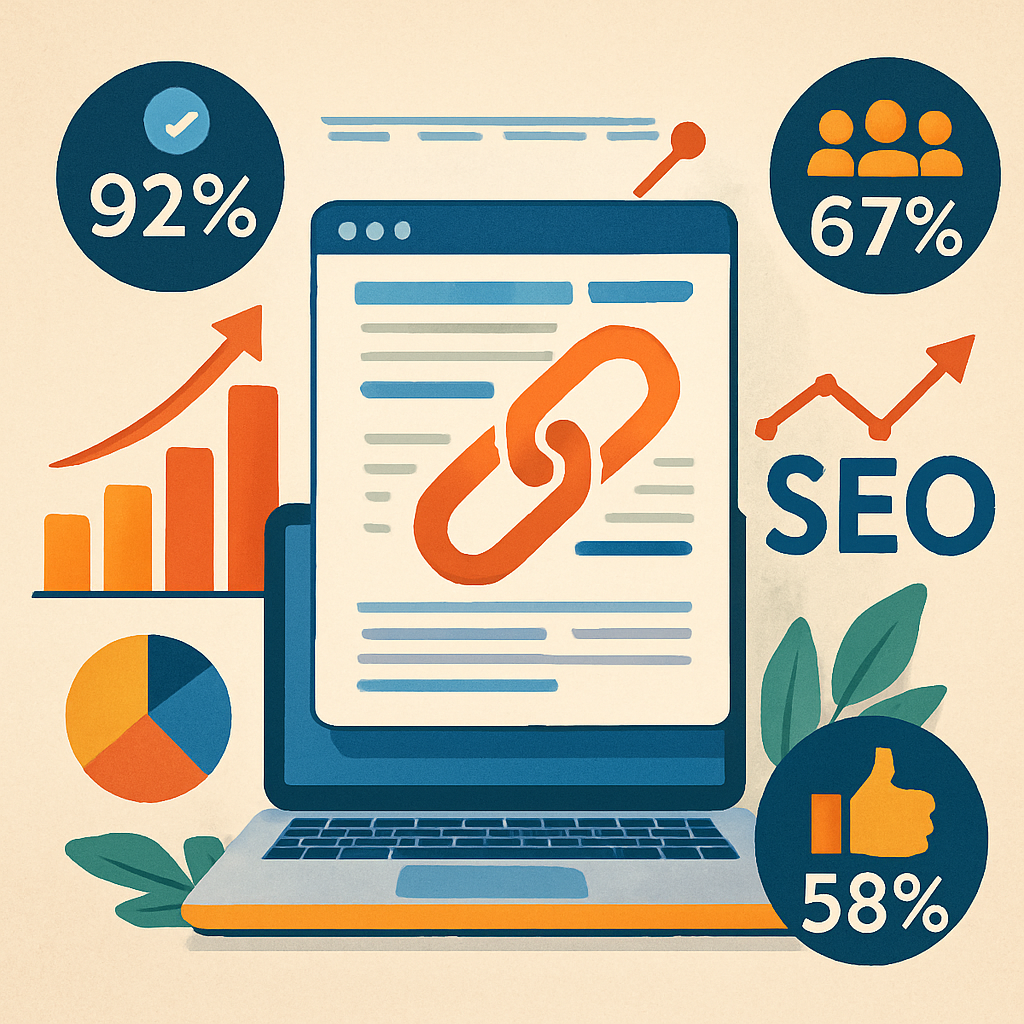
The journey doesn't stop at getting those coveted links; maintaining relationships and continuously providing value will keep those connections strong.
Backlinks are like the secret sauce of SEO; without them, your website is just a bland dish nobody wants to try. A staggering 93% of online experiences begin with a search engine, and if you’re not ranking high, you might as well be invisible. If you've ever wondered how to get backlinks that actually matter, buckle up—this ride is about to get interesting.
Why Backlinks Matter
Think of backlinks as votes of confidence from other websites. Each link pointing to your site tells search engines like Google that your content is credible and worthy of attention. It’s like being the popular kid in school; the more friends you have (a.k.a. links), the more likely others will want to hang out with you (or visit your site).
But not all backlinks are created equal. A link from a high-authority site—say, a major news outlet—carries much more weight than a link from your neighbor’s blog about knitting. This is where understanding how to get backlinks becomes crucial; targeting quality over quantity can make or break your SEO strategy.
The Impact on Rankings
Backlinks are one of the top three ranking factors for Google, which means they play a pivotal role in determining where your site appears in search results. In fact, studies show that websites with a higher number of quality backlinks tend to dominate the first page of Google results. If you're still pondering how to get backlinks effectively, consider this: every time someone links back to your content, it's like giving you a little SEO boost.
- Increased organic traffic: More backlinks lead to higher visibility.
- Improved domain authority: Quality links enhance your site's credibility.
- Higher referral traffic: Users clicking on links bring direct visitors.
Quality over quantity should be your mantra when pursuing backlinks.
(Mis)Conceptions About Backlinks
All backlinks are good—this misconception could sink your SEO ship faster than you can say Google penalty. While it’s tempting to chase after every link opportunity, focusing on low-quality or spammy sites can harm your reputation and rankings. Instead, aim for reputable sites within your niche that align with your content.
How Do I Get These Magical Backlinks?
- Create shareable content (think infographics or comprehensive guides).
- Engage in guest blogging on reputable sites within your industry.
- Leverage social media platforms for outreach and promotion.
- Network with influencers who might share or link back to your content.
The journey doesn't stop at getting those coveted links; maintaining relationships and continuously providing value will keep those connections strong.
Frequently Asked Questions

Written by
Sarah MitchellSarah is a senior SEO content strategist with 8+ years of experience helping SaaS and e-commerce brands grow organic traffic. She specializes in AI-driven content workflows, topical authority, and conversion-focused SEO. When she is not optimizing content, she is hiking trails in Colorado.