














Table of Contents
Keyword Search Optimization: Master the Art of Finding Winning Keywords
Understanding Keyword Intent in Search Optimization
Think you can just toss a few keywords into your content and call it a day? Think again! Understanding keyword intent is like having a secret decoder ring for the wild world of search optimization. It's not just about what people are typing; it's about what they actually want to find.
Imagine you're running a local bakery. Someone searches for best chocolate cake. Are they looking for a recipe, or do they want to buy one? Knowing the intent behind that search could be the difference between winning over a new customer or sending them off to your competitor down the street.
Types of Keyword Intent
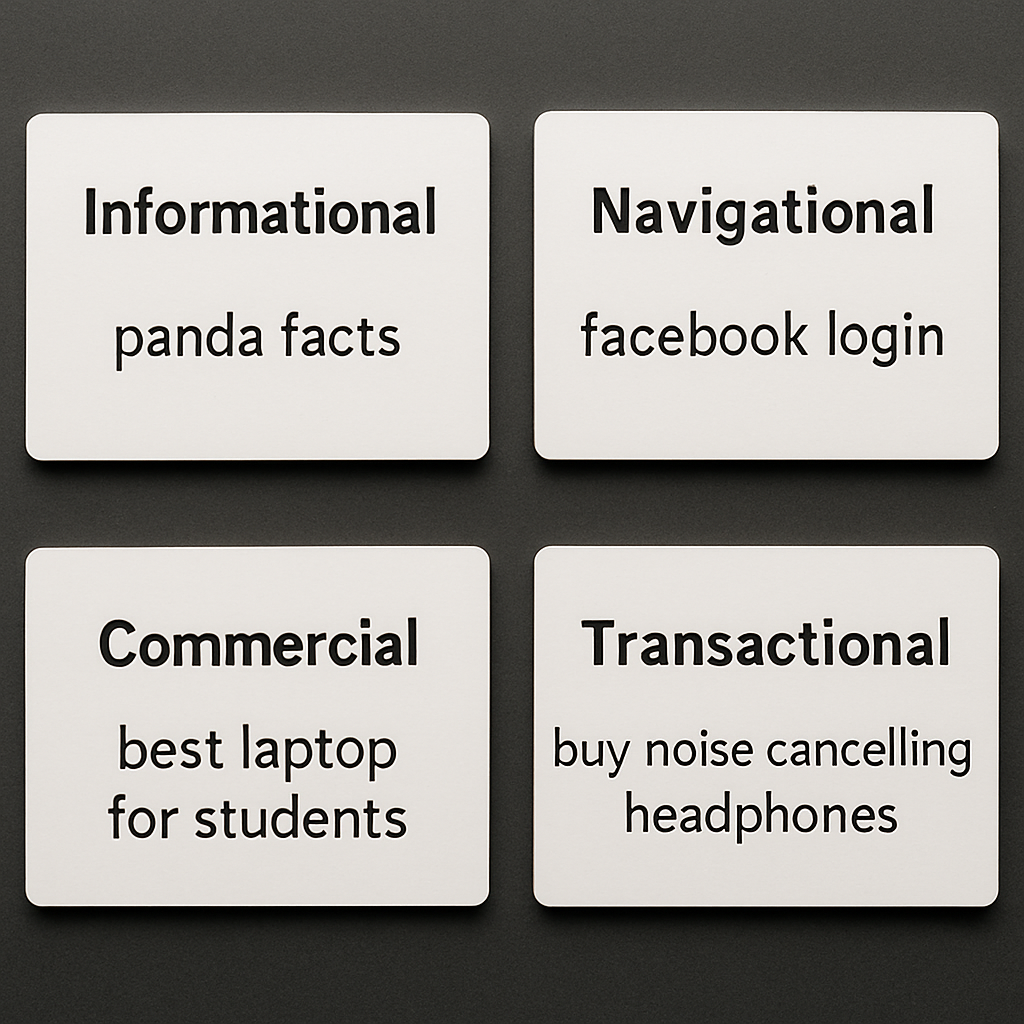
Keyword intent can generally be broken down into three main categories: informational, navigational, and transactional. Let’s break these down:
- Informational: Users are looking for answers or knowledge (e.g., how to bake a cake).
- Navigational: Users are trying to find a specific website (e.g., Cake Boss official site).
- Transactional: Users are ready to make a purchase (e.g., buy chocolate cake online).
Transactional keywords are your golden ticket! These indicate users ready to buy, so focus on these when optimizing for conversion.
Why Matters in Keyword Search Optimization
Why is the magic word here. When you understand why users search for certain terms, you can tailor your content accordingly. For instance, if someone types best chocolate cake recipe, they likely want detailed instructions and tips. If you serve up an article filled with ads instead of value, you'll lose them faster than you can say flour.
How to Identify Keyword Intent
How you identify keyword intent is pretty straightforward if you know where to look. Start by analyzing search results for your target keywords. What type of content ranks highest? If it's mostly product pages, you're dealing with transactional intent. If it's blogs or guides, lean towards informational.
Also, don't forget about voice search! With nearly 50% of adults using it, optimizing for conversational queries can give you an edge. People often ask questions verbally that they might not type out—think about how you'd phrase it in casual conversation.
In short, if you're not considering keyword intent in your strategy, you're essentially throwing darts blindfolded—it's time to take off that blindfold!
Think you can just toss a few keywords into your content and call it a day? Think again! Understanding keyword intent is like having a secret decoder ring for the wild world of search optimization. It's not just about what people are typing; it's about what they actually want to find.
Imagine you're running a local bakery. Someone searches for best chocolate cake. Are they looking for a recipe, or do they want to buy one? Knowing the intent behind that search could be the difference between winning over a new customer or sending them off to your competitor down the street.
Types of Keyword Intent
Keyword intent can generally be broken down into three main categories: informational, navigational, and transactional. Let’s break these down:
- Informational: Users are looking for answers or knowledge (e.g., how to bake a cake).
- Navigational: Users are trying to find a specific website (e.g., Cake Boss official site).
- Transactional: Users are ready to make a purchase (e.g., buy chocolate cake online).
Transactional keywords are your golden ticket! These indicate users ready to buy, so focus on these when optimizing for conversion.
Why Matters in Keyword Search Optimization
Why is the magic word here. When you understand why users search for certain terms, you can tailor your content accordingly. For instance, if someone types best chocolate cake recipe, they likely want detailed instructions and tips. If you serve up an article filled with ads instead of value, you'll lose them faster than you can say flour.
How to Identify Keyword Intent
How you identify keyword intent is pretty straightforward if you know where to look. Start by analyzing search results for your target keywords. What type of content ranks highest? If it's mostly product pages, you're dealing with transactional intent. If it's blogs or guides, lean towards informational.
Also, don't forget about voice search! With nearly 50% of adults using it, optimizing for conversational queries can give you an edge. People often ask questions verbally that they might not type out—think about how you'd phrase it in casual conversation.
In short, if you're not considering keyword intent in your strategy, you're essentially throwing darts blindfolded—it's time to take off that blindfold!
Advanced Techniques for Keyword Research
Keyword search optimization isn’t just about finding popular terms; it’s about uncovering hidden gems that your competitors haven’t snatched up yet. Did you know that over 90% of web pages get zero organic traffic from Google? That’s a staggering number! It means there’s a treasure trove of keywords out there waiting for you to dig them up.
Leverage Long-Tail Keywords
Long-tail keywords are like the underdogs of the keyword world. Sure, they may not have the search volume of their more popular counterparts, but they come with less competition and often higher conversion rates. For instance, instead of targeting running shoes, try best running shoes for flat feet. This tiny tweak can make a massive difference in attracting the right audience.
Long-tail keywords account for over 70% of all search queries!
Use Competitive Analysis Tools
Ever feel like you’re playing a game of whack-a-mole with your competitors? Competitive analysis tools can be your secret weapon. Tools like Ahrefs or SEMrush allow you to peek into your rivals’ keyword strategies. You can see what’s working for them and adapt those insights to your own strategy. It’s like having a cheat sheet for the SEO exam!
- Identify competitors in your niche.
- Analyze their top-performing pages.
- Extract keywords they are ranking for but you're not.
People Also Ask Section Insights
People Also Ask sections in Google search results are gold mines for keyword ideas. These boxes reveal related questions that users are actively searching for. By answering these questions in your content, you’re not only optimizing for those specific queries but also improving your chances of ranking higher overall. It’s like getting insider info from Google itself!
Search Console Insights
Google Search Console is often overlooked when it comes to keyword research, but it shouldn’t be! This tool provides data on how users find your site and what keywords they use to land there. You can identify which queries are already bringing traffic and optimize further by creating content around those terms or enhancing existing pages.
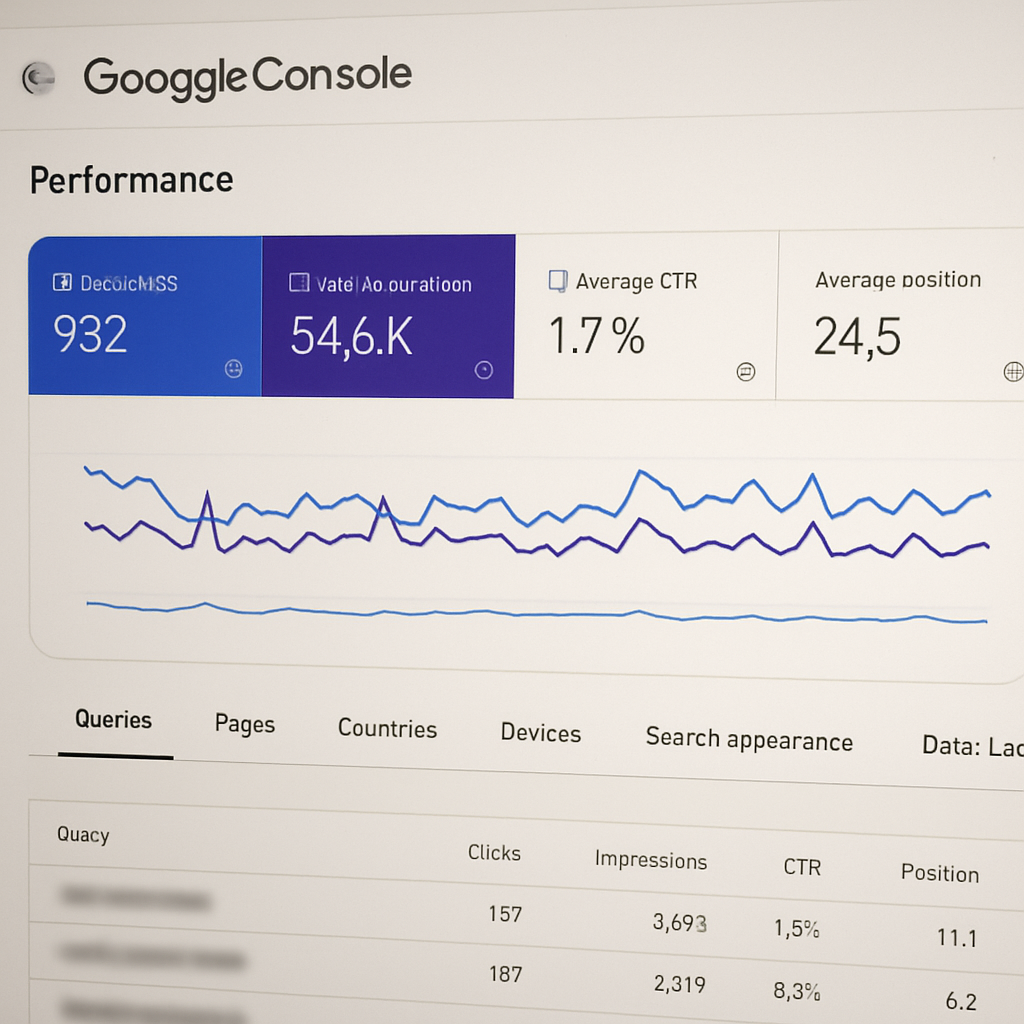
Incorporating these advanced techniques into your keyword search optimization strategy will not only help you uncover new opportunities but also refine your existing efforts. Remember, this isn't just about quantity; it's about quality and relevance.
The right keywords can turn browsers into buyers—so dig deep!
Next time you're knee-deep in keyword research, think beyond the basics. Explore long-tail options, analyze competitors, leverage Google's suggestions, and utilize Search Console insights to elevate your strategy. Your future self (and potential customers) will thank you!
Keyword search optimization isn’t just about finding popular terms; it’s about uncovering hidden gems that your competitors haven’t snatched up yet. Did you know that over 90% of web pages get zero organic traffic from Google? That’s a staggering number! It means there’s a treasure trove of keywords out there waiting for you to dig them up.
Leverage Long-Tail Keywords
Long-tail keywords are like the underdogs of the keyword world. Sure, they may not have the search volume of their more popular counterparts, but they come with less competition and often higher conversion rates. For instance, instead of targeting running shoes, try best running shoes for flat feet. This tiny tweak can make a massive difference in attracting the right audience.
Long-tail keywords account for over 70% of all search queries!
Use Competitive Analysis Tools
Ever feel like you’re playing a game of whack-a-mole with your competitors? Competitive analysis tools can be your secret weapon. Tools like Ahrefs or SEMrush allow you to peek into your rivals’ keyword strategies. You can see what’s working for them and adapt those insights to your own strategy. It’s like having a cheat sheet for the SEO exam!
- Identify competitors in your niche.
- Analyze their top-performing pages.
- Extract keywords they are ranking for but you're not.
People Also Ask Section Insights
People Also Ask sections in Google search results are gold mines for keyword ideas. These boxes reveal related questions that users are actively searching for. By answering these questions in your content, you’re not only optimizing for those specific queries but also improving your chances of ranking higher overall. It’s like getting insider info from Google itself!
Search Console Insights
Google Search Console is often overlooked when it comes to keyword research, but it shouldn’t be! This tool provides data on how users find your site and what keywords they use to land there. You can identify which queries are already bringing traffic and optimize further by creating content around those terms or enhancing existing pages.
Incorporating these advanced techniques into your keyword search optimization strategy will not only help you uncover new opportunities but also refine your existing efforts. Remember, this isn't just about quantity; it's about quality and relevance.
The right keywords can turn browsers into buyers—so dig deep!
Next time you're knee-deep in keyword research, think beyond the basics. Explore long-tail options, analyze competitors, leverage Google's suggestions, and utilize Search Console insights to elevate your strategy. Your future self (and potential customers) will thank you!