










Table of Contents
- 1 Complete Website SEO Analysis: What to Look For and How to Improve
- 1.1 Technical SEO Audit: Core Elements
- 1.2 On-Page SEO Evaluation: Content Optimization
- 1.3 Off-Page SEO Review: Link Profile Assessment
- 1.4 User Experience (UX) Factors in SEO
- 1.5 Local SEO Considerations for Targeted Audiences
- 1.6 SEO Tools and Software for Comprehensive Analysis
- 1.7 Continuous Improvement Strategies Post-Analysis
Complete Website SEO Analysis: What to Look For and How to Improve
Technical SEO Audit: Core Elements
Over 60% of marketers say that technical SEO is a crucial part of their strategy, yet many overlook its core elements. That's like baking a cake and forgetting the flour—good luck getting that to rise!
Crawlability and Indexability
If search engines can't crawl your site, they can't rank it. It's like throwing a party but forgetting to send out the invites. Use tools like Google Search Console to check for crawl errors and ensure your robots.txt file isn't blocking important pages.
Site Speed and Performance
Did you know that a one-second delay in page load time can lead to a 7% reduction in conversions? That's not just a statistic; it's a wake-up call! Tools like GTmetrix or PageSpeed Insights can help you identify speed issues. Optimize images, leverage browser caching, and minimize JavaScript to keep your visitors happy—and on your site.
- Compress images for faster loading times.
- Minimize HTTP requests by combining files.
- Use content delivery networks (CDNs) for global reach.
Mobile-Friendliness
Mobile-first isn't just a buzzword; it's how Google ranks sites today. If your website isn’t mobile-friendly, you’re essentially waving goodbye to half of your potential traffic. Use Google's Mobile-Friendly Test tool to see how your site performs on mobile devices.
Responsive design is key—make sure your site adapts seamlessly across all devices.
HTTPS Security
Not secure warnings are the digital equivalent of wearing mismatched socks—just plain embarrassing! Switching to HTTPS not only protects user data but also boosts your SEO ranking. Google has confirmed that HTTPS is a ranking factor, so don’t let security be an afterthought.

Regularly auditing these core elements ensures you're not just keeping up with best practices but staying ahead of the competition. Next time you're diving into an SEO analysis website, don't forget these crucial components—they're the backbone of any successful strategy!
Over 60% of marketers say that technical SEO is a crucial part of their strategy, yet many overlook its core elements. That's like baking a cake and forgetting the flour—good luck getting that to rise!
Crawlability and Indexability
If search engines can't crawl your site, they can't rank it. It's like throwing a party but forgetting to send out the invites. Use tools like Google Search Console to check for crawl errors and ensure your robots.txt file isn't blocking important pages.
Site Speed and Performance
Did you know that a one-second delay in page load time can lead to a 7% reduction in conversions? That's not just a statistic; it's a wake-up call! Tools like GTmetrix or PageSpeed Insights can help you identify speed issues. Optimize images, leverage browser caching, and minimize JavaScript to keep your visitors happy—and on your site.
- Compress images for faster loading times.
- Minimize HTTP requests by combining files.
- Use content delivery networks (CDNs) for global reach.
Mobile-Friendliness
Mobile-first isn't just a buzzword; it's how Google ranks sites today. If your website isn’t mobile-friendly, you’re essentially waving goodbye to half of your potential traffic. Use Google's Mobile-Friendly Test tool to see how your site performs on mobile devices.
Responsive design is key—make sure your site adapts seamlessly across all devices.
HTTPS Security
Not secure warnings are the digital equivalent of wearing mismatched socks—just plain embarrassing! Switching to HTTPS not only protects user data but also boosts your SEO ranking. Google has confirmed that HTTPS is a ranking factor, so don’t let security be an afterthought.
Regularly auditing these core elements ensures you're not just keeping up with best practices but staying ahead of the competition. Next time you're diving into an SEO analysis website, don't forget these crucial components—they're the backbone of any successful strategy!
On-Page SEO Evaluation: Content Optimization
Imagine pouring hours into crafting the perfect blog post, only to find it buried on page two of Google search results. Frustrating, right? A staggering 75% of users never scroll past the first page of search results, meaning if your content isn’t optimized, it’s like sending a beautifully wrapped gift to the wrong address.
Keyword Integration
The heart of any SEO analysis website is keyword strategy. It’s not just about stuffing keywords haphazardly into your content; it’s about natural integration. For instance, a local coffee shop might optimize for phrases like best coffee in [City] or artisanal coffee near me. Use tools like SEMrush or Ahrefs to identify relevant keywords and sprinkle them throughout your content in a way that feels organic.
Content Structure and Readability
Let’s face it: nobody enjoys reading a wall of text. Break up your content with subheadings, bullet points, and short paragraphs. This not only improves readability but also keeps readers engaged. Tools like Hemingway Editor can help you assess the readability score of your text, ensuring it's accessible to all audiences.
- Use clear headings and subheadings for easy navigation.
- Incorporate bullet points for lists or key takeaways.
- Keep sentences concise—aim for an average of 15-20 words.
Meta Tags and Descriptions
A title tag is like your first date; you want to make a great impression! Make sure your title tags are compelling and include primary keywords without sounding robotic. Similarly, meta descriptions should provide a tantalizing preview of what readers can expect from the page while also containing relevant keywords.
A well-optimized title tag can increase click-through rates by up to 20%!
Alt Text for Images
Alt text is often overlooked but plays a crucial role in both accessibility and SEO. When you upload images, describe them accurately using relevant keywords. This not only helps visually impaired users understand what’s on the page but also gives search engines context about your content.
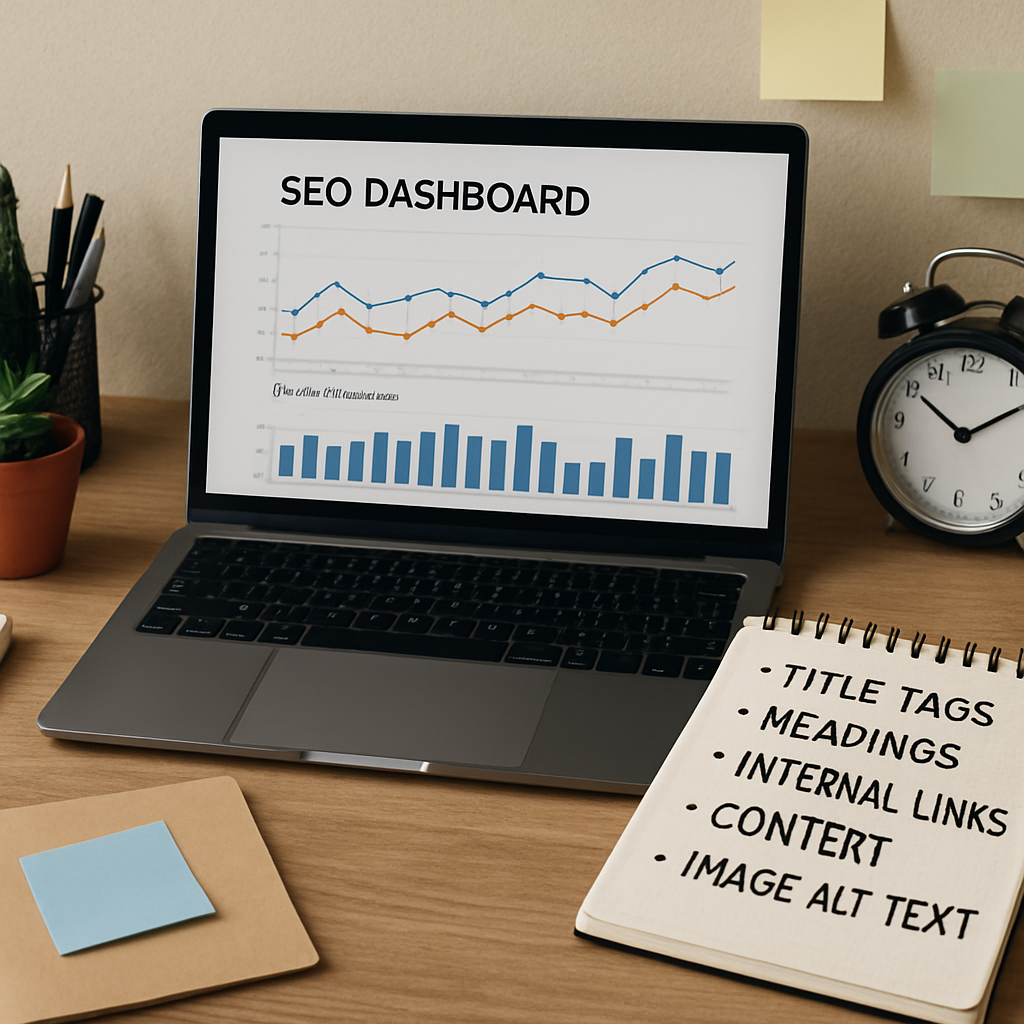
As you conduct your SEO analysis website journey, remember that optimizing content isn’t just about appeasing algorithms; it’s about creating value for readers. Keep refining these elements as trends shift—your audience (and Google) will thank you!
Imagine pouring hours into crafting the perfect blog post, only to find it buried on page two of Google search results. Frustrating, right? A staggering 75% of users never scroll past the first page of search results, meaning if your content isn’t optimized, it’s like sending a beautifully wrapped gift to the wrong address.
Keyword Integration
The heart of any SEO analysis website is keyword strategy. It’s not just about stuffing keywords haphazardly into your content; it’s about natural integration. For instance, a local coffee shop might optimize for phrases like best coffee in [City] or artisanal coffee near me. Use tools like SEMrush or Ahrefs to identify relevant keywords and sprinkle them throughout your content in a way that feels organic.
Content Structure and Readability
Let’s face it: nobody enjoys reading a wall of text. Break up your content with subheadings, bullet points, and short paragraphs. This not only improves readability but also keeps readers engaged. Tools like Hemingway Editor can help you assess the readability score of your text, ensuring it's accessible to all audiences.
- Use clear headings and subheadings for easy navigation.
- Incorporate bullet points for lists or key takeaways.
- Keep sentences concise—aim for an average of 15-20 words.
Meta Tags and Descriptions
A title tag is like your first date; you want to make a great impression! Make sure your title tags are compelling and include primary keywords without sounding robotic. Similarly, meta descriptions should provide a tantalizing preview of what readers can expect from the page while also containing relevant keywords.
A well-optimized title tag can increase click-through rates by up to 20%!
Alt Text for Images
Alt text is often overlooked but plays a crucial role in both accessibility and SEO. When you upload images, describe them accurately using relevant keywords. This not only helps visually impaired users understand what’s on the page but also gives search engines context about your content.
As you conduct your SEO analysis website journey, remember that optimizing content isn’t just about appeasing algorithms; it’s about creating value for readers. Keep refining these elements as trends shift—your audience (and Google) will thank you!
Off-Page SEO Review: Link Profile Assessment
If you think your website can thrive without a solid link profile, it’s time for a reality check. A staggering 93% of online experiences begin with a search engine, and links are the lifeblood of that ecosystem. In fact, backlinks account for over 50% of Google’s ranking algorithm—so if you’re neglecting this aspect, you’re practically waving goodbye to page one.
Why Backlinks Matter
Backlinks are like votes of confidence from other websites. The more high-quality links pointing to your site, the more authoritative you appear in the eyes of search engines. Think about it: if a popular blog mentions your local bakery as the best in town, that endorsement can send droves of hungry customers your way—and boost your SEO rankings at the same time.
- Increased organic traffic from referral sources.
- Higher domain authority leading to better rankings.
- Improved brand visibility and credibility.
Assessing Your Link Profile
Conducting a link profile assessment is like cleaning out your closet—you need to know what you have before deciding what stays and what goes. Start by using tools like Ahrefs or Moz to analyze your backlinks. Look for metrics such as Domain Authority (DA), Page Authority (PA), and anchor text diversity. Are most of your links coming from low-quality sites? Time to roll up those sleeves!
Quality over quantity should be your mantra when evaluating backlinks.
Identifying Toxic Links
Toxic links are like unwanted guests at a party—they can ruin the vibe and even get you kicked out! These are links from spammy or irrelevant sites that can harm your SEO efforts. Use tools like SEMrush’s Backlink Audit tool to identify these culprits and disavow them through Google Search Console if necessary.
Building Quality Backlinks
If you think your website can thrive without a solid link profile, it’s time for a reality check. A staggering 93% of online experiences begin with a search engine, and links are the lifeblood of that ecosystem. In fact, backlinks account for over 50% of Google’s ranking algorithm—so if you’re neglecting this aspect, you’re practically waving goodbye to page one.
Why Backlinks Matter
Backlinks are like votes of confidence from other websites. The more high-quality links pointing to your site, the more authoritative you appear in the eyes of search engines. Think about it: if a popular blog mentions your local bakery as the best in town, that endorsement can send droves of hungry customers your way—and boost your SEO rankings at the same time.
- Increased organic traffic from referral sources.
- Higher domain authority leading to better rankings.
- Improved brand visibility and credibility.
Assessing Your Link Profile
Conducting a link profile assessment is like cleaning out your closet—you need to know what you have before deciding what stays and what goes. Start by using tools like Ahrefs or Moz to analyze your backlinks. Look for metrics such as Domain Authority (DA), Page Authority (PA), and anchor text diversity. Are most of your links coming from low-quality sites? Time to roll up those sleeves!
Quality over quantity should be your mantra when evaluating backlinks.
Identifying Toxic Links
Toxic links are like unwanted guests at a party—they can ruin the vibe and even get you kicked out! These are links from spammy or irrelevant sites that can harm your SEO efforts. Use tools like SEMrush’s Backlink Audit tool to identify these culprits and disavow them through Google Search Console if necessary.
Building Quality Backlinks
User Experience (UX) Factors in SEO
Imagine landing on a website that takes longer to load than a snail on a leisurely stroll. Frustrating, right? A staggering 88% of online consumers are less likely to return to a site after a bad experience. That’s not just a minor inconvenience; it’s a massive opportunity cost for businesses!
User experience (UX) is no longer just an afterthought in SEO; it’s a critical component that directly impacts rankings. Google’s algorithm is increasingly favoring sites that provide an excellent user experience, which means your SEO analysis website needs to prioritize UX factors if you want to climb the search rankings.
Core UX Elements Affecting SEO
Let’s break down some core UX elements that play a pivotal role in your SEO strategy:
- Page Load Speed: Every second counts! Aim for under three seconds to keep users engaged.
- Mobile Responsiveness: With over half of all web traffic coming from mobile devices, your site must look and function flawlessly on smartphones.
- Intuitive Navigation: If visitors can’t find what they’re looking for within three clicks, they’ll likely bounce.
A seamless UX can reduce bounce rates and increase dwell time—both crucial signals for search engines!
The Role of Content Readability
Content is king may be overused, but readability is the royal advisor. If users struggle to read your content, they’ll leave faster than you can say SEO analysis website. Use tools like Grammarly or Hemingway Editor to ensure your text is clear and engaging.
But wait! Isn’t keyword stuffing the way to go? Not anymore! Search engines are smart—they prioritize user-friendly content over keyword-laden drivel. Instead, focus on creating valuable content that answers users' questions while incorporating keywords naturally.
The Importance of Visual Elements
Visuals are not just eye candy; they enhance comprehension and retention. Infographics, images, and videos can make complex information digestible. However, don’t forget about alt text—it serves as both an accessibility feature and an SEO booster by providing context for search engines.

When optimizing visuals, ensure they’re compressed without losing quality—nobody wants their site loading at a snail's pace because of oversized images!
Incorporating these UX factors into your SEO analysis website isn’t just about following trends; it’s about genuinely enhancing how users interact with your site. Remember: happy users lead to higher rankings!
As you refine your strategy, continuously monitor user behavior through tools like Google Analytics or Hotjar. This data will help you identify pain points and areas for improvement—ensuring you're always one step ahead in the game.
Imagine landing on a website that takes longer to load than a snail on a leisurely stroll. Frustrating, right? A staggering 88% of online consumers are less likely to return to a site after a bad experience. That’s not just a minor inconvenience; it’s a massive opportunity cost for businesses!
User experience (UX) is no longer just an afterthought in SEO; it’s a critical component that directly impacts rankings. Google’s algorithm is increasingly favoring sites that provide an excellent user experience, which means your SEO analysis website needs to prioritize UX factors if you want to climb the search rankings.
Core UX Elements Affecting SEO
Let’s break down some core UX elements that play a pivotal role in your SEO strategy:
- Page Load Speed: Every second counts! Aim for under three seconds to keep users engaged.
- Mobile Responsiveness: With over half of all web traffic coming from mobile devices, your site must look and function flawlessly on smartphones.
- Intuitive Navigation: If visitors can’t find what they’re looking for within three clicks, they’ll likely bounce.
A seamless UX can reduce bounce rates and increase dwell time—both crucial signals for search engines!
The Role of Content Readability
Content is king may be overused, but readability is the royal advisor. If users struggle to read your content, they’ll leave faster than you can say SEO analysis website. Use tools like Grammarly or Hemingway Editor to ensure your text is clear and engaging.
But wait! Isn’t keyword stuffing the way to go? Not anymore! Search engines are smart—they prioritize user-friendly content over keyword-laden drivel. Instead, focus on creating valuable content that answers users' questions while incorporating keywords naturally.
The Importance of Visual Elements
Visuals are not just eye candy; they enhance comprehension and retention. Infographics, images, and videos can make complex information digestible. However, don’t forget about alt text—it serves as both an accessibility feature and an SEO booster by providing context for search engines.
When optimizing visuals, ensure they’re compressed without losing quality—nobody wants their site loading at a snail's pace because of oversized images!
Incorporating these UX factors into your SEO analysis website isn’t just about following trends; it’s about genuinely enhancing how users interact with your site. Remember: happy users lead to higher rankings!
As you refine your strategy, continuously monitor user behavior through tools like Google Analytics or Hotjar. This data will help you identify pain points and areas for improvement—ensuring you're always one step ahead in the game.
Local SEO Considerations for Targeted Audiences
Here's a staggering fact: 46% of all Google searches are looking for local information. If your website isn't optimized for local SEO, you're basically tossing a life raft to a drowning swimmer—only to realize it’s full of holes!
Imagine you run a trendy taco truck in Austin, Texas. You’ve got the best salsa this side of the Rio Grande, yet your website is ranking below competitors who serve mediocre tacos just because they’ve optimized their local presence. Frustrating, right? That’s where local SEO considerations come into play.
Google My Business: Your Local Powerhouse
Claiming and optimizing your Google My Business (GMB) listing is like putting a neon sign on your taco truck that says Best Tacos Here! Ensure your GMB profile is fully completed with accurate business hours, address, phone number, and enticing photos of your delicious offerings. This listing not only enhances visibility but also builds trust with potential customers.
- Use high-quality images showcasing your food and ambiance.
- Encourage customers to leave positive reviews—these are gold in the local SEO world.
- Regularly update posts about specials or events to keep your audience engaged.
Local Keywords: Speak Their Language
Best tacos near me isn’t just a phrase; it’s an opportunity! Incorporate local keywords naturally into your content. For our taco truck example, think about phrases like Austin taco trucks or tacos on South Congress. Tools like Moz or SEMrush can help you identify keywords that resonate with your target audience.
Location-based keywords can dramatically improve search visibility among local customers.
Citations and NAP Consistency
Citations might sound like something from a legal textbook, but in the world of local SEO, they’re mentions of your business on other websites—even if there’s no link back to you. Ensure that your Name, Address, and Phone number (NAP) are consistent across all platforms—think Yelp, TripAdvisor, and even social media profiles.

As you conduct an SEO analysis website for local reach, remember that targeting specific audiences requires more than just general strategies; it demands a tailored approach. Focus on optimizing for local search trends to ensure you're not just another face in the crowd—but the one everyone wants to find!
Here's a staggering fact: 46% of all Google searches are looking for local information. If your website isn't optimized for local SEO, you're basically tossing a life raft to a drowning swimmer—only to realize it’s full of holes!
Imagine you run a trendy taco truck in Austin, Texas. You’ve got the best salsa this side of the Rio Grande, yet your website is ranking below competitors who serve mediocre tacos just because they’ve optimized their local presence. Frustrating, right? That’s where local SEO considerations come into play.
Google My Business: Your Local Powerhouse
Claiming and optimizing your Google My Business (GMB) listing is like putting a neon sign on your taco truck that says Best Tacos Here! Ensure your GMB profile is fully completed with accurate business hours, address, phone number, and enticing photos of your delicious offerings. This listing not only enhances visibility but also builds trust with potential customers.
- Use high-quality images showcasing your food and ambiance.
- Encourage customers to leave positive reviews—these are gold in the local SEO world.
- Regularly update posts about specials or events to keep your audience engaged.
Local Keywords: Speak Their Language
Best tacos near me isn’t just a phrase; it’s an opportunity! Incorporate local keywords naturally into your content. For our taco truck example, think about phrases like Austin taco trucks or tacos on South Congress. Tools like Moz or SEMrush can help you identify keywords that resonate with your target audience.
Location-based keywords can dramatically improve search visibility among local customers.
Citations and NAP Consistency
Citations might sound like something from a legal textbook, but in the world of local SEO, they’re mentions of your business on other websites—even if there’s no link back to you. Ensure that your Name, Address, and Phone number (NAP) are consistent across all platforms—think Yelp, TripAdvisor, and even social media profiles.
As you conduct an SEO analysis website for local reach, remember that targeting specific audiences requires more than just general strategies; it demands a tailored approach. Focus on optimizing for local search trends to ensure you're not just another face in the crowd—but the one everyone wants to find!
SEO Tools and Software for Comprehensive Analysis
Relying on guesswork for your SEO analysis website is like trying to navigate with a broken compass—sure, you might stumble upon the right path eventually, but why risk it? The right tools can turn your SEO journey from a wild goose chase into a smooth ride.
Top Tools for SEO Analysis
Let’s break down some of the heavyweights in the SEO tools arena. Each has its own strengths, and knowing when to deploy them can be the difference between ranking on page one or getting lost in the abyss of search results.
- Ahrefs: Ideal for backlink analysis and keyword research.
- SEMrush: A comprehensive tool that covers everything from keyword tracking to site audits.
- Moz Pro: Great for tracking your site's performance and finding link-building opportunities.
- Google Search Console: A free tool that provides insights into how Google views your site.
- Screaming Frog: Perfect for technical audits, this tool crawls your site like a search engine.
Choosing the Right Tool for Your Needs
One size fits all is a myth in SEO. The best approach is to tailor your toolkit to fit your specific needs. For instance, if you’re a local business owner focused on optimizing local search results, tools like Moz Local can help you manage citations effectively.
The right tool can save you hours of manual labor and provide insights that lead directly to improved rankings.
How to Use These Tools Effectively
Using these tools effectively isn’t just about having them at your disposal; it’s about knowing how to interpret the data they provide. For example, Ahrefs can show you what keywords are driving traffic but understanding how those keywords relate to user intent is where the magic happens.
- Set clear goals before using any tool—know what you want to achieve.
- Regularly monitor key metrics such as organic traffic, bounce rate, and conversion rates.
- Don’t just collect data—act on it! Use insights from your analysis to refine content strategies or improve site performance.
Incorporating these tools into your SEO analysis website strategy isn’t just smart; it’s essential. As competition heats up online, having reliable data at your fingertips will empower you to make informed decisions that drive results.
Relying on guesswork for your SEO analysis website is like trying to navigate with a broken compass—sure, you might stumble upon the right path eventually, but why risk it? The right tools can turn your SEO journey from a wild goose chase into a smooth ride.
Top Tools for SEO Analysis
Let’s break down some of the heavyweights in the SEO tools arena. Each has its own strengths, and knowing when to deploy them can be the difference between ranking on page one or getting lost in the abyss of search results.
- Ahrefs: Ideal for backlink analysis and keyword research.
- SEMrush: A comprehensive tool that covers everything from keyword tracking to site audits.
- Moz Pro: Great for tracking your site's performance and finding link-building opportunities.
- Google Search Console: A free tool that provides insights into how Google views your site.
- Screaming Frog: Perfect for technical audits, this tool crawls your site like a search engine.
Choosing the Right Tool for Your Needs
One size fits all is a myth in SEO. The best approach is to tailor your toolkit to fit your specific needs. For instance, if you’re a local business owner focused on optimizing local search results, tools like Moz Local can help you manage citations effectively.
The right tool can save you hours of manual labor and provide insights that lead directly to improved rankings.
How to Use These Tools Effectively
Using these tools effectively isn’t just about having them at your disposal; it’s about knowing how to interpret the data they provide. For example, Ahrefs can show you what keywords are driving traffic but understanding how those keywords relate to user intent is where the magic happens.
- Set clear goals before using any tool—know what you want to achieve.
- Regularly monitor key metrics such as organic traffic, bounce rate, and conversion rates.
- Don’t just collect data—act on it! Use insights from your analysis to refine content strategies or improve site performance.
Incorporating these tools into your SEO analysis website strategy isn’t just smart; it’s essential. As competition heats up online, having reliable data at your fingertips will empower you to make informed decisions that drive results.
Continuous Improvement Strategies Post-Analysis
After conducting a thorough SEO analysis website, many businesses find themselves at a crossroads. They’ve gathered the data, identified issues, and now the big question looms: What next? Ignoring this step is like getting a gym membership but never stepping foot in the gym. You need a plan to translate insights into action!
Establish Clear Goals
First things first: set measurable goals based on your analysis findings. If your site’s bounce rate is higher than a kangaroo on caffeine, aim to reduce it by a specific percentage within a set timeframe. For example, if you discover that visitors are leaving quickly from certain pages, you might decide to enhance those pages with better content or visuals.
Prioritize Action Items
Not all SEO issues are created equal; some will have a bigger impact than others. Use the insights from your analysis to prioritize what to tackle first. If you find that your site speed is dragging like molasses in winter, that should be at the top of your list! Tools like GTmetrix can help pinpoint specific areas for improvement.
- Optimize images and files for faster loading times.
- Minimize redirects and unnecessary plugins.
- Utilize browser caching effectively.
Implement Changes and Monitor Results
Done is better than perfect isn’t just a catchy phrase; it’s an essential mantra for continuous improvement. Implement changes based on your prioritized list and monitor their effects closely using tools like Google Analytics. Look for shifts in traffic patterns, engagement rates, and conversion metrics.
'Continuous improvement isn't a one-time effort; it's an ongoing journey!'
Test, Analyze, Repeat
Testing is where many businesses drop the ball. Whether it’s A/B testing different headlines or layouts or experimenting with new keywords, don’t shy away from trying different approaches. Analyze the results regularly—this is where you’ll discover what resonates with your audience.
After conducting a thorough SEO analysis website, many businesses find themselves at a crossroads. They’ve gathered the data, identified issues, and now the big question looms: What next? Ignoring this step is like getting a gym membership but never stepping foot in the gym. You need a plan to translate insights into action!
Establish Clear Goals
First things first: set measurable goals based on your analysis findings. If your site’s bounce rate is higher than a kangaroo on caffeine, aim to reduce it by a specific percentage within a set timeframe. For example, if you discover that visitors are leaving quickly from certain pages, you might decide to enhance those pages with better content or visuals.
Prioritize Action Items
Not all SEO issues are created equal; some will have a bigger impact than others. Use the insights from your analysis to prioritize what to tackle first. If you find that your site speed is dragging like molasses in winter, that should be at the top of your list! Tools like GTmetrix can help pinpoint specific areas for improvement.
- Optimize images and files for faster loading times.
- Minimize redirects and unnecessary plugins.
- Utilize browser caching effectively.
Implement Changes and Monitor Results
Done is better than perfect isn’t just a catchy phrase; it’s an essential mantra for continuous improvement. Implement changes based on your prioritized list and monitor their effects closely using tools like Google Analytics. Look for shifts in traffic patterns, engagement rates, and conversion metrics.
'Continuous improvement isn't a one-time effort; it's an ongoing journey!'
Test, Analyze, Repeat
Testing is where many businesses drop the ball. Whether it’s A/B testing different headlines or layouts or experimenting with new keywords, don’t shy away from trying different approaches. Analyze the results regularly—this is where you’ll discover what resonates with your audience.

Written by
James ChenJames is a content marketing expert and former agency lead who has managed SEO programs for Fortune 500 brands. He focuses on keyword strategy, content gap analysis, and building scalable content operations. He writes about the intersection of AI and modern marketing.