















Table of Contents
7 Proven Strategies to Improve Your Search Engine Ranking Fast
Leveraging AI for Keyword Optimization
Imagine pouring hours into crafting the perfect blog post, only to find it lost in the vast abyss of the internet. Frustrating, right? This is where AI swoops in like a superhero, armed with data-driven insights to help you improve search engine ranking.
In fact, studies show that 70% of marketers believe AI will play a crucial role in their SEO strategies by 2025. That’s not just a trend; that’s a seismic shift in how we approach keyword optimization.
Understanding Search Intent
Before you can even think about keywords, you need to understand what users are truly searching for. AI tools can analyze search intent—are people looking for information, making a purchase, or seeking a specific service? This understanding allows you to tailor your content accordingly and select keywords that resonate with your audience.
Keyword intent is the secret sauce for keyword optimization!
Utilizing AI-Powered Tools
There’s no shortage of AI-driven tools out there, but not all are created equal. Tools like Ahrefs and SEMrush use machine learning algorithms to analyze keyword performance across various metrics—search volume, competition level, and even trends over time. This allows businesses to make informed decisions about which keywords will likely yield the best results.
- Ahrefs: Offers comprehensive keyword analysis and competitor insights.
- SEMrush: Great for tracking keyword performance and identifying new opportunities.
- Moz: Provides keyword suggestions based on search volume and difficulty.
Long-Tail Keywords Are Your Best Friends
Long-tail keywords—those three or more word phrases—are often overlooked but can be gold mines for improving search engine ranking. They typically have lower competition and higher conversion rates because they target specific queries. For example, instead of targeting shoes, aim for best running shoes for flat feet.

AI tools can help identify these gems by analyzing user search patterns and suggesting relevant long-tail keywords that fit your content strategy.
Monitoring Keyword Performance
Once you've implemented your chosen keywords, it’s essential to monitor their performance regularly. AI-powered analytics platforms provide real-time data on how well your content is performing against those targeted keywords. If something isn’t working as expected, it’s easier to pivot when you have actionable insights at your fingertips.
Regularly review your keyword strategy based on performance data!
The beauty of leveraging AI lies in its ability to adapt over time; it learns from user behavior and helps refine your strategies accordingly.
So next time you're pondering how to improve search engine ranking fast, remember that AI isn't just a buzzword; it's an essential ally in navigating the complexities of keyword optimization. Start experimenting with these strategies today and watch as your rankings climb!
Imagine pouring hours into crafting the perfect blog post, only to find it lost in the vast abyss of the internet. Frustrating, right? This is where AI swoops in like a superhero, armed with data-driven insights to help you improve search engine ranking.
In fact, studies show that 70% of marketers believe AI will play a crucial role in their SEO strategies by 2025. That’s not just a trend; that’s a seismic shift in how we approach keyword optimization.
Understanding Search Intent
Before you can even think about keywords, you need to understand what users are truly searching for. AI tools can analyze search intent—are people looking for information, making a purchase, or seeking a specific service? This understanding allows you to tailor your content accordingly and select keywords that resonate with your audience.
Keyword intent is the secret sauce for keyword optimization!
Utilizing AI-Powered Tools
There’s no shortage of AI-driven tools out there, but not all are created equal. Tools like Ahrefs and SEMrush use machine learning algorithms to analyze keyword performance across various metrics—search volume, competition level, and even trends over time. This allows businesses to make informed decisions about which keywords will likely yield the best results.
- Ahrefs: Offers comprehensive keyword analysis and competitor insights.
- SEMrush: Great for tracking keyword performance and identifying new opportunities.
- Moz: Provides keyword suggestions based on search volume and difficulty.
Long-Tail Keywords Are Your Best Friends
Long-tail keywords—those three or more word phrases—are often overlooked but can be gold mines for improving search engine ranking. They typically have lower competition and higher conversion rates because they target specific queries. For example, instead of targeting shoes, aim for best running shoes for flat feet.
AI tools can help identify these gems by analyzing user search patterns and suggesting relevant long-tail keywords that fit your content strategy.
Monitoring Keyword Performance
Once you've implemented your chosen keywords, it’s essential to monitor their performance regularly. AI-powered analytics platforms provide real-time data on how well your content is performing against those targeted keywords. If something isn’t working as expected, it’s easier to pivot when you have actionable insights at your fingertips.
Regularly review your keyword strategy based on performance data!
The beauty of leveraging AI lies in its ability to adapt over time; it learns from user behavior and helps refine your strategies accordingly.
So next time you're pondering how to improve search engine ranking fast, remember that AI isn't just a buzzword; it's an essential ally in navigating the complexities of keyword optimization. Start experimenting with these strategies today and watch as your rankings climb!
Enhancing On-Page SEO Elements
Think of on-page SEO as the fine-tuning of your website's content and structure. You wouldn’t throw a party without cleaning up the living room, right? Your website deserves that same level of attention! Enhancing your on-page elements can significantly improve search engine ranking, often leading to quicker visibility in search results.
A well-optimized page can boost your click-through rates by up to 36%!
Optimizing Title Tags and Meta Descriptions
Title tags are like the headlines of a newspaper; they need to grab attention while accurately reflecting the content. A title that includes your primary keyword, ideally at the beginning, is crucial. For instance, instead of Best Practices for SEO, try Improve Search Engine Ranking: Best Practices for On-Page SEO.
Meta descriptions are equally important. They serve as a teaser for what users can expect if they click through. Aim for around 150-160 characters, and include a call-to-action. Think about it: would you want to read an article with a bland description? Nope!
Utilizing Header Tags Effectively
H1 tags are like the main title of your book; they should clearly convey what the page is about. Use only one H1 per page, and include your primary keyword here as well.
H2 and H3 tags help break down sections into digestible chunks—think of them as subheadings guiding readers through your content. Not only does this improve readability, but it also signals to search engines what’s important.
Incorporating Internal and External Links
Link juice isn’t just a catchy term; it’s essential for improving search engine ranking! Internal links guide users through your site while spreading authority among pages. For instance, if you have a blog post about long-tail keywords, link to it from other relevant posts.
External links to reputable sources enhance credibility. If you mention statistics or research findings, linking back to the original source shows you’re not just making things up—you're backing it up with facts!
Alt Text for Images Matters
Alt text isn’t just for accessibility; it helps search engines understand what an image is about. Instead of using generic terms like image1.jpg, describe the image contextually—for example, SEO expert analyzing website traffic data. This can also improve your chances in image search results.
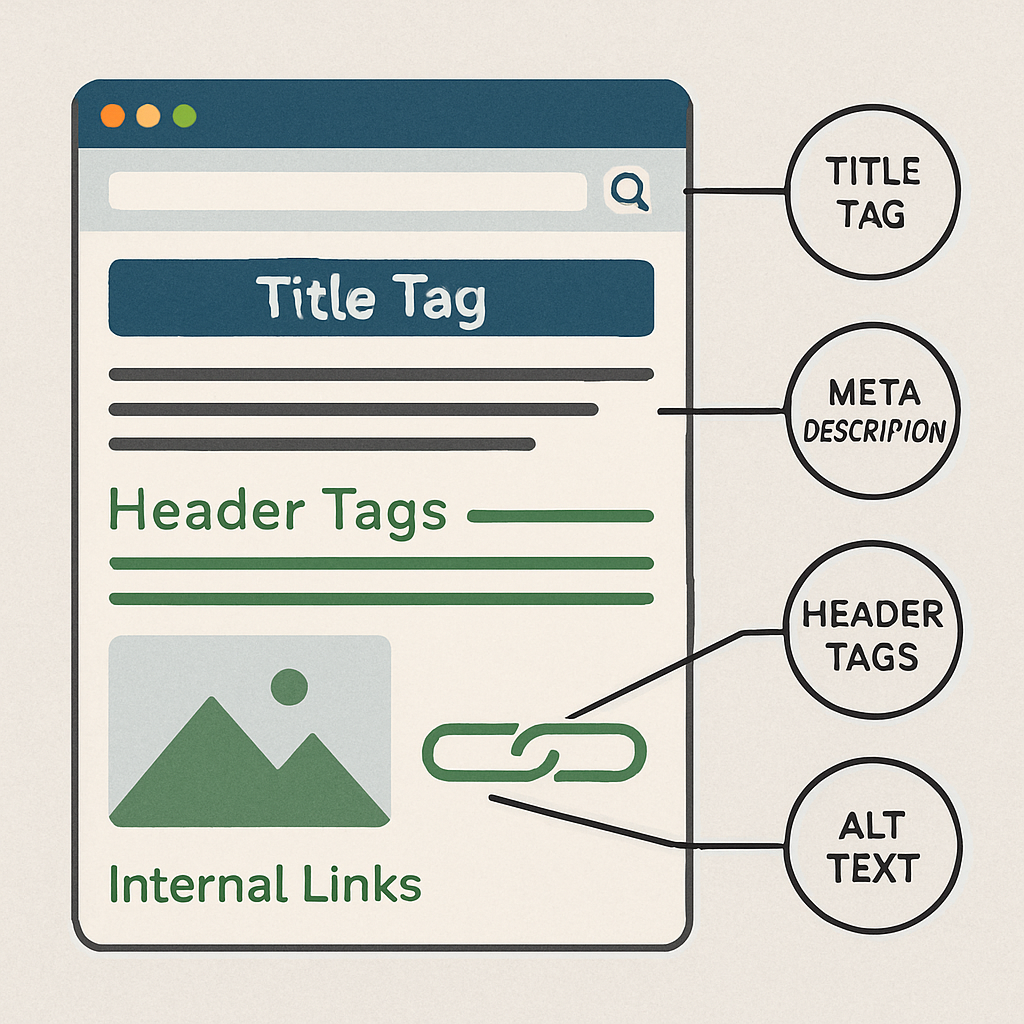
A cohesive on-page strategy can be the difference between ranking on page one or getting lost in the depths of Google’s results!
In summary, enhancing your on-page SEO elements is not merely a task—it's an ongoing strategy that requires attention to detail and regular updates. As you refine these aspects over time, you'll likely see improvements in both user engagement and search engine rankings. Ready to roll up those sleeves? Let’s get optimizing!
Think of on-page SEO as the fine-tuning of your website's content and structure. You wouldn’t throw a party without cleaning up the living room, right? Your website deserves that same level of attention! Enhancing your on-page elements can significantly improve search engine ranking, often leading to quicker visibility in search results.
A well-optimized page can boost your click-through rates by up to 36%!
Optimizing Title Tags and Meta Descriptions
Title tags are like the headlines of a newspaper; they need to grab attention while accurately reflecting the content. A title that includes your primary keyword, ideally at the beginning, is crucial. For instance, instead of Best Practices for SEO, try Improve Search Engine Ranking: Best Practices for On-Page SEO.
Meta descriptions are equally important. They serve as a teaser for what users can expect if they click through. Aim for around 150-160 characters, and include a call-to-action. Think about it: would you want to read an article with a bland description? Nope!
Utilizing Header Tags Effectively
H1 tags are like the main title of your book; they should clearly convey what the page is about. Use only one H1 per page, and include your primary keyword here as well.
H2 and H3 tags help break down sections into digestible chunks—think of them as subheadings guiding readers through your content. Not only does this improve readability, but it also signals to search engines what’s important.
Incorporating Internal and External Links
Link juice isn’t just a catchy term; it’s essential for improving search engine ranking! Internal links guide users through your site while spreading authority among pages. For instance, if you have a blog post about long-tail keywords, link to it from other relevant posts.
External links to reputable sources enhance credibility. If you mention statistics or research findings, linking back to the original source shows you’re not just making things up—you're backing it up with facts!
Alt Text for Images Matters
Alt text isn’t just for accessibility; it helps search engines understand what an image is about. Instead of using generic terms like image1.jpg, describe the image contextually—for example, SEO expert analyzing website traffic data. This can also improve your chances in image search results.
A cohesive on-page strategy can be the difference between ranking on page one or getting lost in the depths of Google’s results!
In summary, enhancing your on-page SEO elements is not merely a task—it's an ongoing strategy that requires attention to detail and regular updates. As you refine these aspects over time, you'll likely see improvements in both user engagement and search engine rankings. Ready to roll up those sleeves? Let’s get optimizing!
Creating High-Quality, Relevant Content
A staggering 80% of consumers are more likely to make a purchase after reading a personalized, relevant piece of content. That’s not just a statistic; it’s a wake-up call for anyone looking to improve search engine ranking. If your content isn’t resonating with your audience, it’s time to rethink your strategy.
Imagine running a boutique coffee shop in a busy neighborhood. You wouldn’t just serve any old coffee; you’d craft unique blends that cater to the taste buds of your local clientele. The same principle applies to online content. Creating high-quality, relevant material is essential for standing out in the crowded digital marketplace.
Know Your Audience Inside and Out
Understanding who your audience is can feel like trying to crack a code. But once you do, it’s like finding the key to unlock their hearts—and their wallets! Use tools like Google Analytics and social media insights to gather data on demographics, interests, and behavior patterns. This intel will guide you in crafting content that speaks directly to their needs.
Content that resonates leads to higher engagement and improved search engine ranking!
Quality Over Quantity: The Content Dilemma
More is better might be the mantra in some circles, but when it comes to content creation, less can truly be more. Focus on producing fewer pieces of high-quality content rather than churning out mediocre blog posts weekly. A well-researched article that provides value will always outperform ten hastily written ones.
- Conduct thorough research on topics relevant to your industry.
- Include data-driven insights or case studies.
- Ensure each piece is well-structured and visually appealing.
Optimize for Search Engines Without Sacrificing Quality
Keyword stuffing is so last decade! Modern SEO demands a more nuanced approach. Integrate keywords naturally within your content without compromising its flow or readability. Think about how you would talk about the topic with a friend—casual yet informative.

Use tools like Ranklytics or Yoast SEO to help ensure you're hitting those sweet spots without overdoing it.
Remember: Engaging content keeps readers on your page longer—an important factor for improving search engine ranking!
In conclusion, creating high-quality, relevant content is not just about writing well; it's about understanding your audience, providing real value, and optimizing smartly. As you develop this skill set, you'll find yourself not only climbing those search rankings but also building lasting relationships with your readers.
A staggering 80% of consumers are more likely to make a purchase after reading a personalized, relevant piece of content. That’s not just a statistic; it’s a wake-up call for anyone looking to improve search engine ranking. If your content isn’t resonating with your audience, it’s time to rethink your strategy.
Imagine running a boutique coffee shop in a busy neighborhood. You wouldn’t just serve any old coffee; you’d craft unique blends that cater to the taste buds of your local clientele. The same principle applies to online content. Creating high-quality, relevant material is essential for standing out in the crowded digital marketplace.
Know Your Audience Inside and Out
Understanding who your audience is can feel like trying to crack a code. But once you do, it’s like finding the key to unlock their hearts—and their wallets! Use tools like Google Analytics and social media insights to gather data on demographics, interests, and behavior patterns. This intel will guide you in crafting content that speaks directly to their needs.
Content that resonates leads to higher engagement and improved search engine ranking!
Quality Over Quantity: The Content Dilemma
More is better might be the mantra in some circles, but when it comes to content creation, less can truly be more. Focus on producing fewer pieces of high-quality content rather than churning out mediocre blog posts weekly. A well-researched article that provides value will always outperform ten hastily written ones.
- Conduct thorough research on topics relevant to your industry.
- Include data-driven insights or case studies.
- Ensure each piece is well-structured and visually appealing.
Optimize for Search Engines Without Sacrificing Quality
Keyword stuffing is so last decade! Modern SEO demands a more nuanced approach. Integrate keywords naturally within your content without compromising its flow or readability. Think about how you would talk about the topic with a friend—casual yet informative.
Use tools like Ranklytics or Yoast SEO to help ensure you're hitting those sweet spots without overdoing it.
Remember: Engaging content keeps readers on your page longer—an important factor for improving search engine ranking!
In conclusion, creating high-quality, relevant content is not just about writing well; it's about understanding your audience, providing real value, and optimizing smartly. As you develop this skill set, you'll find yourself not only climbing those search rankings but also building lasting relationships with your readers.
Building a Robust Backlink Profile
If you think backlinks are just a nice-to-have in the SEO game, think again! A staggering 93% of all online experiences begin with a search engine, and backlinks are one of the top three ranking factors that Google considers. So, if you're serious about improving your search engine ranking, it’s time to roll up your sleeves and get to work on that backlink profile.
Picture this: you’re a local bakery trying to attract more customers. You bake the best croissants in town, but without any word-of-mouth or online buzz, those buttery delights will sit on the shelf. Backlinks act like recommendations from other websites—when they vouch for your content, it not only boosts your credibility but also drives traffic directly to your site.
Why Backlinks Matter
Think of backlinks as the votes of confidence for your website. Each link from a reputable site signals to search engines that your content is valuable and trustworthy. This can drastically improve your rankings and visibility. In fact, sites with high-quality backlinks tend to rank higher than those without them—simple as that!
Quality over quantity: One high-authority backlink can be more beneficial than dozens from low-quality sites.
Strategies for Building Backlinks
- Guest Blogging: Write high-quality articles for reputable sites in your niche.
- Create Shareable Infographics: Visual content is more likely to be shared and linked back.
- Engage in Online Communities: Participate in forums and social media groups relevant to your industry.
- Conduct Original Research: Publish studies or surveys that others will want to cite.
- Leverage Broken Link Building: Find broken links on other sites and offer your content as a replacement.
Guest blogging might sound like an old-school tactic, but it’s still one of the most effective ways to build backlinks. By contributing valuable insights or unique perspectives to established blogs in your industry, you not only earn a link back but also tap into their audience.
The Importance of Monitoring Your Backlink Profile
Building backlinks is just half the battle; monitoring them is equally crucial! Tools like Ahrefs or Moz can help you track which links are pointing to your site and assess their quality. If you notice spammy or low-quality links creeping in, it’s time for some spring cleaning.
Remember that not all backlinks are created equal. A link from an authoritative site like Forbes carries much more weight than one from an obscure blog with little traffic. Regularly auditing your backlink profile helps ensure that you're maintaining a healthy link environment.
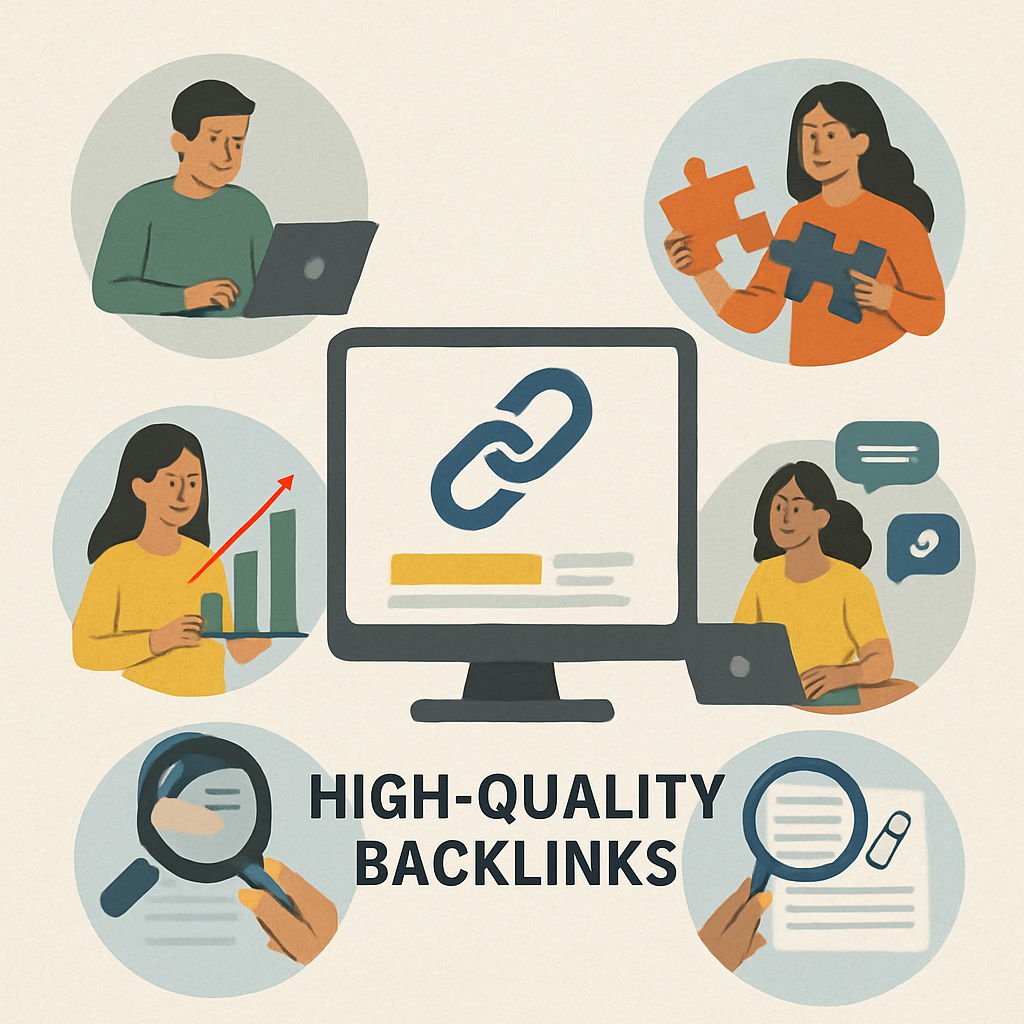
In conclusion, building a robust backlink profile isn’t just about quantity; it’s about quality relationships within your industry. As you implement these strategies and monitor their effectiveness over time, you'll find yourself climbing those search rankings faster than you can say SEO wizard! So get out there and start connecting!
If you think backlinks are just a nice-to-have in the SEO game, think again! A staggering 93% of all online experiences begin with a search engine, and backlinks are one of the top three ranking factors that Google considers. So, if you're serious about improving your search engine ranking, it’s time to roll up your sleeves and get to work on that backlink profile.
Picture this: you’re a local bakery trying to attract more customers. You bake the best croissants in town, but without any word-of-mouth or online buzz, those buttery delights will sit on the shelf. Backlinks act like recommendations from other websites—when they vouch for your content, it not only boosts your credibility but also drives traffic directly to your site.
Why Backlinks Matter
Think of backlinks as the votes of confidence for your website. Each link from a reputable site signals to search engines that your content is valuable and trustworthy. This can drastically improve your rankings and visibility. In fact, sites with high-quality backlinks tend to rank higher than those without them—simple as that!
Quality over quantity: One high-authority backlink can be more beneficial than dozens from low-quality sites.
Strategies for Building Backlinks
- Guest Blogging: Write high-quality articles for reputable sites in your niche.
- Create Shareable Infographics: Visual content is more likely to be shared and linked back.
- Engage in Online Communities: Participate in forums and social media groups relevant to your industry.
- Conduct Original Research: Publish studies or surveys that others will want to cite.
- Leverage Broken Link Building: Find broken links on other sites and offer your content as a replacement.
Guest blogging might sound like an old-school tactic, but it’s still one of the most effective ways to build backlinks. By contributing valuable insights or unique perspectives to established blogs in your industry, you not only earn a link back but also tap into their audience.
The Importance of Monitoring Your Backlink Profile
Building backlinks is just half the battle; monitoring them is equally crucial! Tools like Ahrefs or Moz can help you track which links are pointing to your site and assess their quality. If you notice spammy or low-quality links creeping in, it’s time for some spring cleaning.
Remember that not all backlinks are created equal. A link from an authoritative site like Forbes carries much more weight than one from an obscure blog with little traffic. Regularly auditing your backlink profile helps ensure that you're maintaining a healthy link environment.
In conclusion, building a robust backlink profile isn’t just about quantity; it’s about quality relationships within your industry. As you implement these strategies and monitor their effectiveness over time, you'll find yourself climbing those search rankings faster than you can say SEO wizard! So get out there and start connecting!