










Table of Contents
- 1 Dofollow vs Nofollow Links: What Every SEO Expert Should Know
- 1.1 Introduction
- 1.2 Understanding Dofollow and Nofollow Links
- 1.3 The Role of Dofollow Links in SEO
- 1.4 The Role of Nofollow Links in SEO
- 1.5 Dofollow vs Nofollow: Key Differences and Considerations
- 1.6 Link Building Strategies Involving Dofollow and Nofollow Links
- 1.7 External Linking Best Practices for SEO Success
- 1.8 Utilizing Backlink Analysis Tools for Optimal Strategy Development
- 1.9 Conclusion
- 1.10 Frequently Asked Questions
Dofollow vs Nofollow Links: What Every SEO Expert Should Know
Introduction
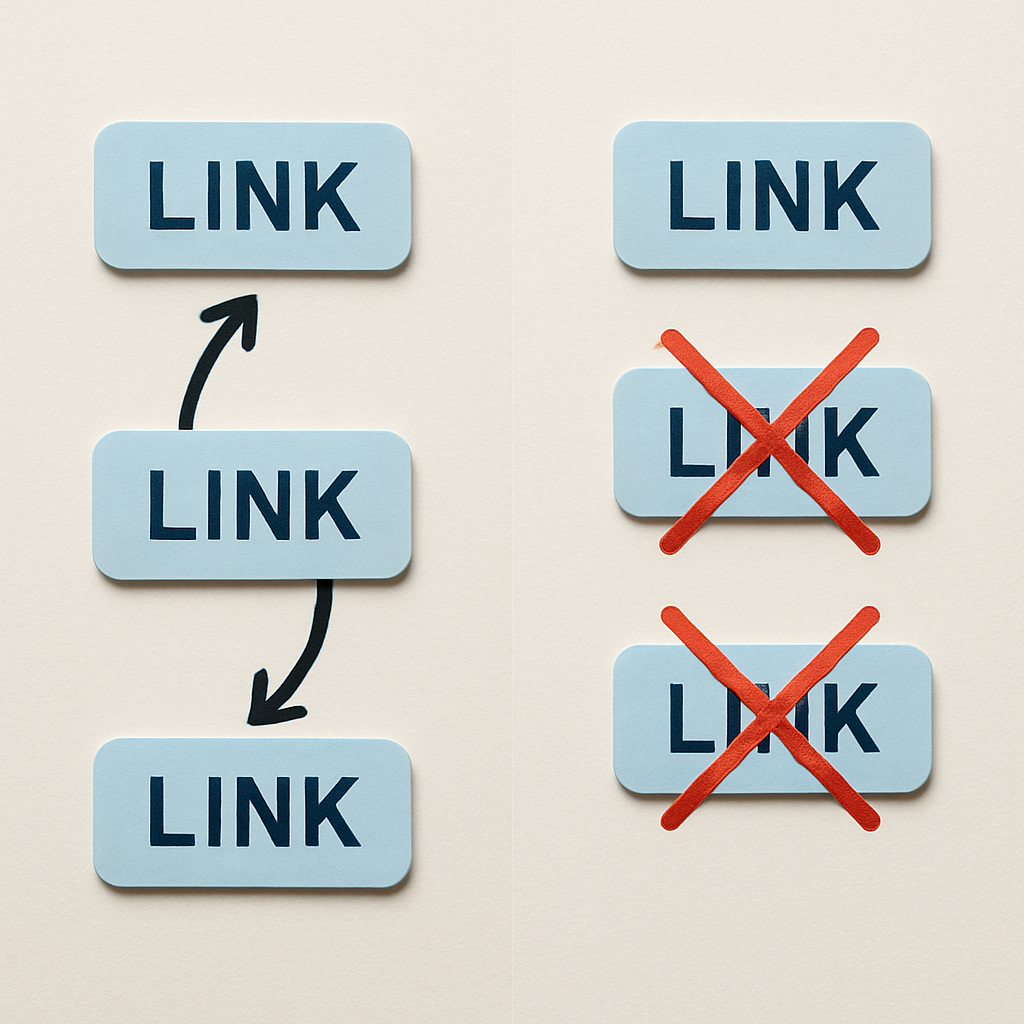
Welcome to the ultimate showdown: dofollow vs nofollow links! If you’re an SEO expert, this is the kind of debate that can make or break your backlink strategy. Think of dofollow links as the VIP pass at a concert everyone wants it because it lets you mingle with the big shots and boosts your credibility. On the flip side, nofollow links are like the friend who tags along but doesn’t get to enter the backstage; they’re still valuable but don’t carry the same weight when it comes to passing link equity.
In this post, we’ll unravel the mysteries behind these two link types, explore their roles in search engine optimization, and equip you with actionable insights to enhance your backlink profile. Are you ready to dive deep into the world of SEO backlinks? Let’s get started!

Understanding Dofollow and Nofollow Links
When it comes to the world of SEO, understanding the difference between dofollow and nofollow links is like knowing the difference between a superhero and their sidekick. Both play vital roles, but they have distinct powers and purposes!
Definition of Dofollow Links
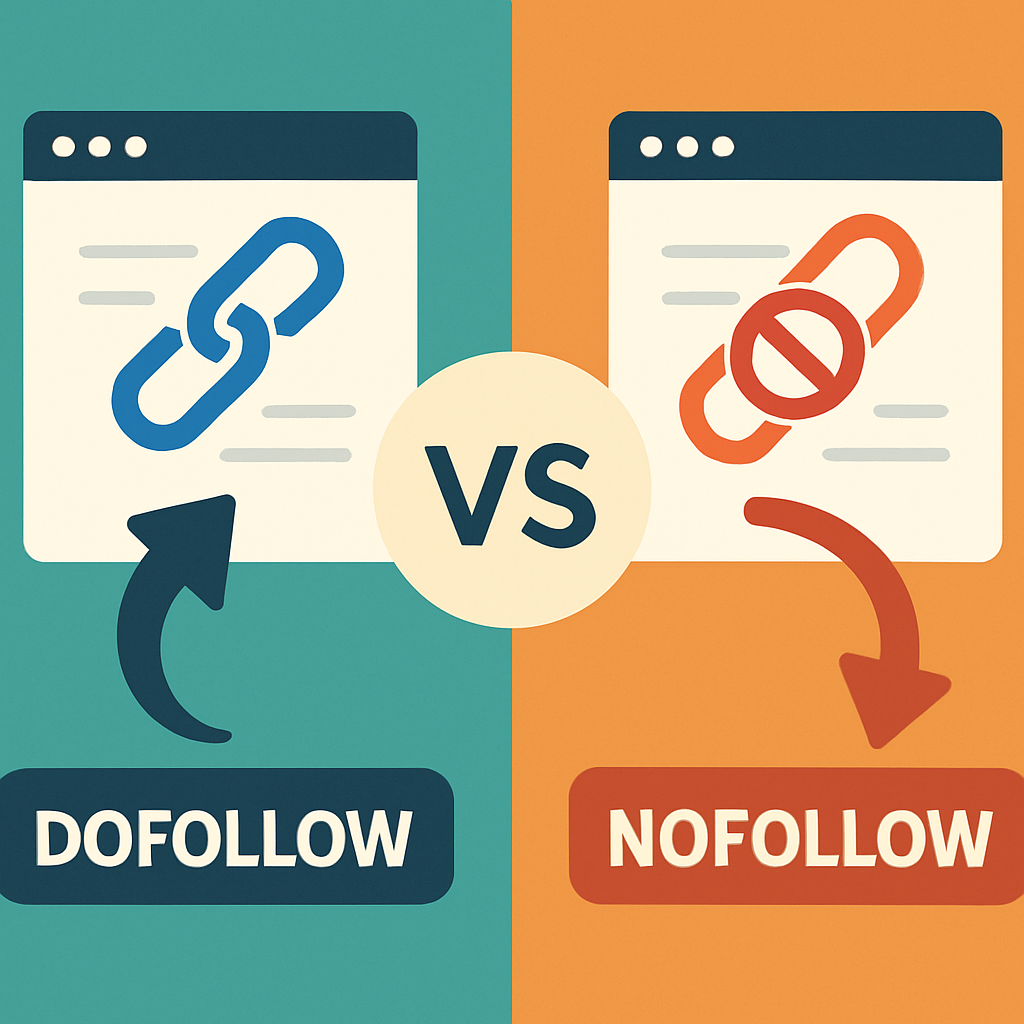
Dofollow links are the golden children of the link world. When a link is marked as dofollow, it tells search engines, “Hey, this link is important! Pass on some of that sweet link juice!” This means that any authority from the linked site can flow through to your site, helping to boost your Google ranking factors. Think of dofollow links as a friendly vote of confidence from one website to another.
Definition of Nofollow Links
On the other hand, nofollow links are more like those friends who cheer you on from the sidelines but never actually join in on the fun. A nofollow link has a rel=”nofollow” attribute that signals to search engines not to pass any link equity or authority. This means while they can still drive traffic (yay!), they won’t contribute directly to your site’s SEO strength.
Importance in SEO
The distinction between dofollow vs nofollow links is crucial for any effective link building strategy. Dofollow links are essential for building a strong backlink profile and improving your site’s authority over time. Meanwhile, nofollow links can still be valuable by driving referral traffic and diversifying your backlink profile. Understanding how to balance these two types can elevate your overall SEO game!
Key Takeaway: A healthy mix of both dofollow and nofollow links in your backlink strategy can optimize your website’s authority while ensuring you’re not putting all your eggs in one basket!
The Role of Dofollow Links in SEO
When it comes to the debate of dofollow vs nofollow links, dofollow links are the golden tickets of the SEO world. They’re like VIP passes that let link juice flow freely, passing link equity from one site to another. Understanding their role is crucial for any savvy SEO expert.
Link Juice and Passing Link Equity
Dofollow links are essential for transferring web page authority. Think of link juice as a magical potion that boosts the power of your website. When you earn a dofollow link from a high-authority site, it’s like getting a stamp of approval from an influential friend. This not only enhances your own site’s credibility but also helps improve your overall backlink profile.
Impact on Search Engine Rankings
The impact of dofollow links on your search engine rankings cannot be overstated. Google’s algorithms consider these links as votes of confidence. The more quality dofollow links you have, the higher your chances of climbing up those coveted SERP rankings. A solid backlink strategy that prioritizes dofollow links can significantly influence your position in organic search results.
Key Takeaway: Prioritize obtaining high-quality dofollow backlinks to enhance your site’s authority and visibility in search engines.
High-Quality Backlinks Importance
Not all backlinks are created equal! In the world of SEO, quality trumps quantity every time. A few high-quality dofollow backlinks can work wonders for your site’s performance, while a mountain of low-quality ones might just sink your ship. Focus on earning links from reputable sources that align with your niche. This not only boosts your credibility but also improves your chances at capturing valuable traffic.
In conclusion, understanding the role of dofollow links is vital for any effective SEO strategy. They are not just about boosting numbers; they play a critical role in enhancing visibility and authority in the vast ocean of online content.
The Role of Nofollow Links in SEO
Nofollow links are like the friendly neighbor who waves at you but doesn’t come over for coffee. They’re polite, they exist, but they don’t quite contribute to your SEO party in the same way that dofollow links do. So, what’s the deal with these nofollow links, and why should you care? Let’s break it down!
How Nofollow Affects Crawlability and Indexing
When it comes to SEO, nofollow links have a unique role in shaping your website’s crawlability and indexing. By using the nofollow attribute, you’re telling search engines like Google: “Hey, don’t pass any link juice here.” This means that while your content is still accessible, it won’t contribute to the PageRank distribution for that page. This can be beneficial in certain situations like when linking to user-generated content or paid advertisements where you want to maintain control over your site’s authority.
Nofollow Attribute Usage Guide
Understanding when and how to use the nofollow attribute can be a game changer for your backlink strategy. Here are some common scenarios:
- User-Generated Content: If you’re running a blog with comments or forums, using nofollow can help prevent spammy backlinks.
- Sponsored Links: Any paid links should carry the nofollow tag to comply with Google’s guidelines.
- Social Media Links: Often used for external social media profiles where authority transfer isn’t necessary.
Implications for Outbound Links SEO
Nofollow links can also impact how search engines view your outbound links. While linking out to high-authority sites is generally a good practice (and usually involves dofollow links), adding too many nofollow links can make it seem like you’re not endorsing any content at all. Balance is key! Make sure your backlink profile includes both types of links strategically.
Key Takeaway: While nofollow links may not pass link equity directly, they play an essential role in maintaining a healthy backlink profile and controlling how search engines interpret your site’s authority. Use them wisely!
Dofollow vs Nofollow: Key Differences and Considerations
When diving into the world of dofollow vs nofollow links, it’s like stepping into a party where some guests are bringing gifts, and others are just there to hang out. Understanding the nuances between these two types of links can significantly impact your SEO strategies and ultimately your website’s performance.
Link Authority Transfer and PageRank Distribution
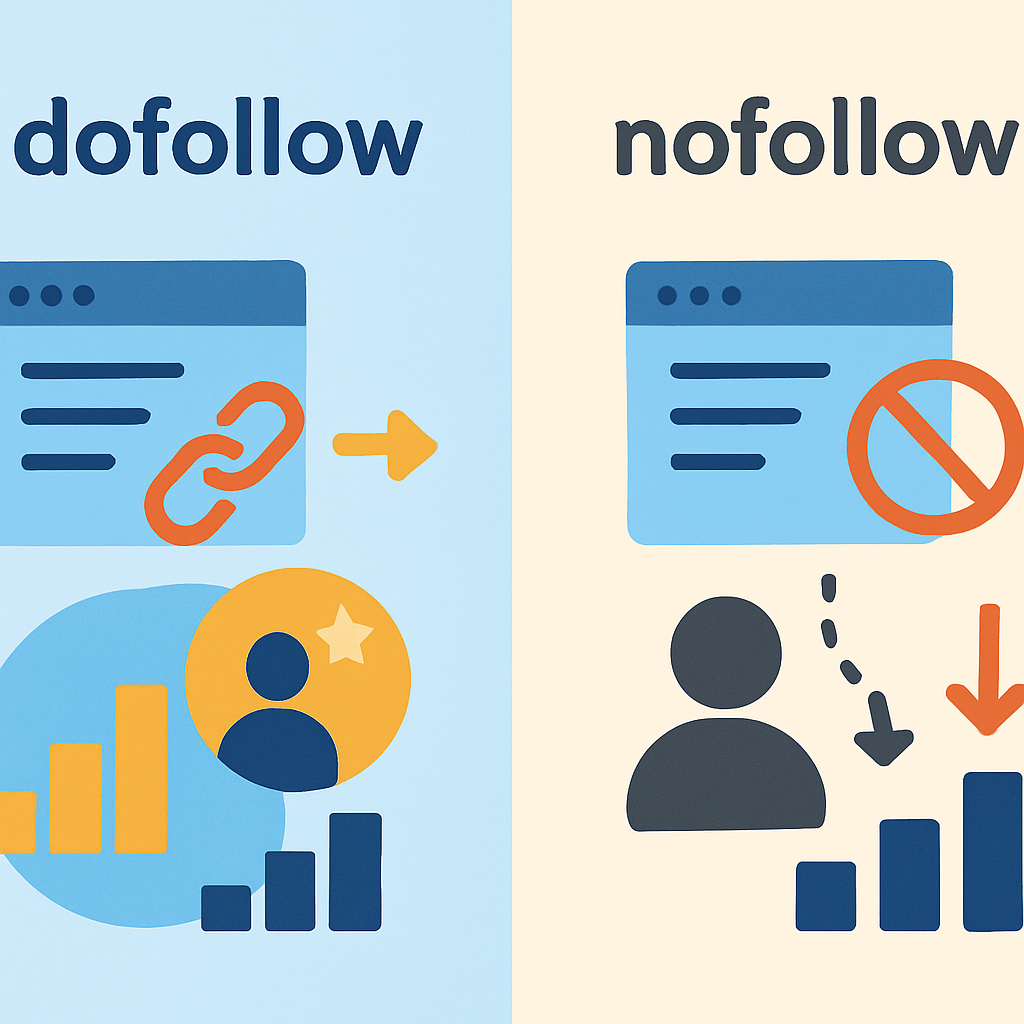
The primary difference lies in their ability to pass link juice. Dofollow links are the life of the party, transferring valuable authority from one page to another. This is crucial for your backlink profile, as they help improve your site’s credibility in the eyes of search engines.
On the flip side, nofollow links are like that friend who shows up but doesn’t bring anything to share. They tell search engines, “Hey, don’t give any credit for this link.” While they don’t pass link equity, they can still drive traffic and increase visibility. So, don’t dismiss them entirely!
SEO Link Types Overview: Follow vs Nofollow Links
Here’s a quick rundown on how these two link types stack up:
| Link Type | Authority Transfer | Crawlable by Search Engines? | Use Cases |
|---|---|---|---|
| Dofollow Links | Yes | Yes | Building SEO backlinks, enhancing PageRank distribution. |
| Nofollow Links | No | No (but still crawled) | Avoiding spammy sites, controlling outbound links SEO. |
Backlink Profile Analysis Techniques
A well-rounded backlink strategy should include both dofollow and nofollow links. Use tools like Google Search Console or other backlink analysis tools to evaluate your current profile. Assess the ratio of dofollow to nofollow links in your portfolio; a healthy mix can enhance your website’s authority without raising red flags with search engines.
The key takeaway? A balanced approach is vital! Embrace both types of links in your overall strategy to maximize organic search ranking signals while maintaining a robust backlink profile.
If you’re ready to take action, start analyzing your existing backlinks today! This could be the first step towards optimizing your site’s performance and improving its visibility on search engines.
Link Building Strategies Involving Dofollow and Nofollow Links
When it comes to crafting a solid backlink strategy, understanding the roles of dofollow and nofollow links is essential. Think of it like assembling a killer playlist: you need a mix of upbeat tracks (dofollow) that get the party going and some mellow tunes (nofollow) that provide balance. Let’s dive into effective strategies for both types!
Effective SEO Link Building Techniques
Your link building strategy should incorporate both dofollow and nofollow links to create a diverse backlink profile. Here are some techniques to consider:
- Guest Blogging: Write high-quality content for reputable sites in your niche, ensuring you include dofollow links back to your site.
- Resource Pages: Find resource pages or link roundups related to your industry. Pitch them your content for inclusion, focusing on dofollow opportunities.
- Social Media Engagement: Share your content across social platforms. While social links are typically nofollow, they can drive traffic and increase visibility.
- Commenting on Blogs: Engage thoughtfully in blog comments within your niche. While most will be nofollow, it helps build relationships and can lead to future dofollow opportunities.
Balancing Dofollow and Nofollow in Backlink Strategy
A well-rounded backlink profile isn’t just about quantity; it’s about quality too. Here’s how to balance the two:
- Prioritize Quality Over Quantity: Aim for high-quality backlinks from authoritative sites.
- Mix It Up: Incorporate both dofollow and nofollow links in your outreach efforts; this creates a natural link profile that search engines favor.
- Monitor Your Backlinks: Use backlink analysis tools to keep tabs on your link profile’s health, ensuring you’re not overly reliant on one type.
Anchor Text Optimization Best Practices
The way you use anchor text can significantly impact your SEO efforts. Here are some best practices for optimizing anchor text when building both dofollow and nofollow links:
- Diverse Anchor Text: Use a variety of anchor texts, including branded terms, exact match keywords, and generic phrases like “click here” to avoid over-optimization penalties.
- Create Contextual Links: Ensure that the anchor text is relevant to the linked content; this improves user experience and signals relevance to search engines.
- Avoid Spammy Practices: Don’t stuff keywords into anchor text unnaturally; focus on creating meaningful connections between content instead.
The landscape of SEO is ever-evolving, but by integrating smart strategies with both dofollow and nofollow links, you can stay ahead of the game. So go ahead mix those tracks and watch your site’s rankings climb!
External Linking Best Practices for SEO Success
When it comes to SEO, external linking is like throwing a party and inviting all the coolest kids in school. You want to make sure that your invitations (a.k.a. links) are sent out wisely to boost your website authority and improve your search engine optimization. Here are some best practices to ensure you’re not just sending invites willy-nilly but strategically building your online reputation.
Navigating Internal Linking SEO Strategies
Before we dive deep into external links, let’s not forget about internal linking. Think of it as the friendly tour guide that shows visitors around your site. A well-structured internal linking strategy helps search engines crawl your site effectively, enhancing user experience and keeping visitors glued to your content.
The Importance of External Linking for Authority Building
External links are crucial for establishing credibility. By linking to high-authority sites, you’re essentially saying, “Hey, I know what I’m talking about!” This can lead to a better backlink profile and improved rankings in search results. Here’s how:
- Link to Relevant Sources: Ensure that the sites you link to are relevant and reputable. This not only helps with SEO but also provides value to your readers.
- Diversify Your Links: Mix it up! Use a combination of dofollow links (to pass link juice) and nofollow links (for credibility without passing link equity).
- Avoid Over-Optimizing Anchor Text: While anchor text optimization is important, don’t go overboard with exact match keywords. Keep it natural!
Crawling and Indexing Implications for Web Pages with Mixed Link Types
Your choice between dofollow vs nofollow links can significantly impact how search engines perceive your site. Here’s what you need to keep in mind:
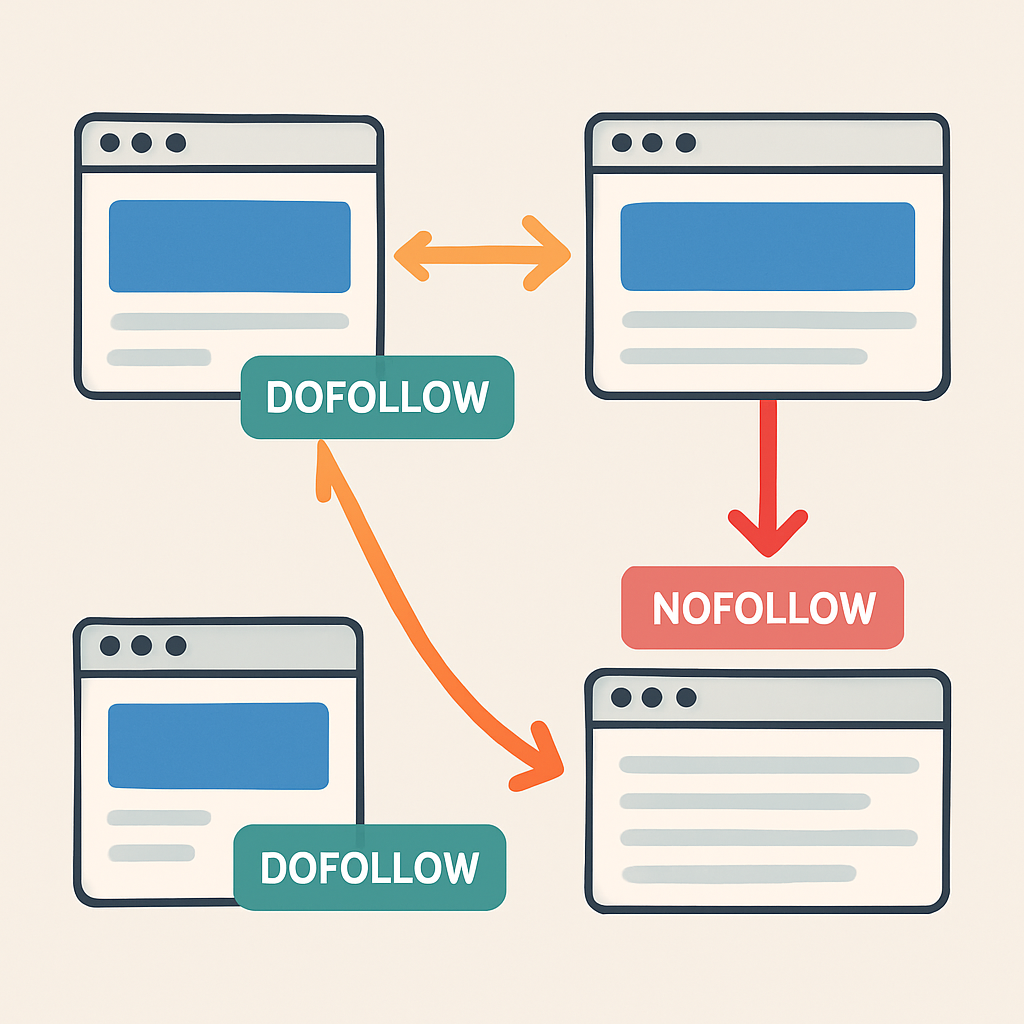
- Dofollow Links: These allow search engines to follow the link and pass on link equity, boosting both the linked page’s authority and yours.
- Nofollow Links: While these don’t pass on link juice, they can still drive traffic and contribute positively by associating your content with reputable sources.
- Monitor Your Outbound Links: Regularly check the health of the sites you’re linking out to. If they become spammy or irrelevant, it might be time for a cleanup!
Key Takeaway: A balanced approach between dofollow and nofollow links not only enhances your backlink strategy but also helps in maintaining a healthy backlink profile that appeals to both users and search engines alike.
Utilizing Backlink Analysis Tools for Optimal Strategy Development
In the grand chess game of SEO, backlink analysis tools are your trusty pawns, helping you make strategic moves against the competition. These tools provide insights that can transform your approach to dofollow vs nofollow links, ensuring your backlink strategy is not just reactive but proactive.
First off, let’s talk about what these tools can do for you. They allow you to:
- Analyze Your Backlink Profile: Understand the composition of your backlinks how many are dofollow vs nofollow, and their respective qualities.
- Identify Authority Links: Discover high-quality backlinks that can boost your site’s authority and improve Google ranking factors.
- Monitor Competitors: See what types of links competitors are acquiring and how they structure their backlink strategies.
An excellent example of a backlink analysis tool is Ahrefs. It offers a comprehensive overview of your link building strategies, highlighting which pages are gaining traction through dofollow links and which ones might be languishing due to an over-reliance on nofollow links. This kind of insight is crucial for optimizing your overall SEO strategy.
The Importance of Balancing Dofollow and Nofollow Links
A common misconception is that only dofollow links matter. While they certainly pass link equity and contribute to PageRank distribution, nofollow links also play a vital role in maintaining a healthy backlink profile. They help with:
- Diversification: A variety of link types can enhance credibility in the eyes of search engines.
- Crawlability: Properly placed nofollow links can guide crawlers through your site without diluting the value passed by dofollow links.
- User Experience: Sometimes, you want to link to resources without endorsing them fully this is where nofollow shines!
Key Takeaway: Utilize backlink analysis tools not just for tracking dofollow vs nofollow ratios but also for refining your entire linking approach. Aim for a balanced mix that enhances both user experience and SEO performance!
The next step? Dive into these tools! Whether it’s SEMrush, Moz, or Majestic, find one that fits your needs and start analyzing. Look out for trends in your data; perhaps you’ll discover new opportunities or hidden pitfalls in your link building strategies.
Conclusion
So, there you have it the epic showdown of dofollow vs nofollow links! Understanding these two hyperlink attributes is crucial for anyone serious about their SEO strategy. Think of dofollow links as the VIP pass to the exclusive club of search engine rankings, while nofollow links are more like a friendly wave from the bouncer outside. They both have their place in your backlink profile, but knowing when and how to use each can make all the difference.
When building your link strategy, remember that while dofollow links are essential for passing link equity, nofollow links can still play a vital role in enhancing your site’s credibility and visibility. They’re not just there to fill up space; they can help diversify your link profile and contribute to a more organic appearance in the eyes of search engines.
- Dofollow links: Essential for boosting PageRank and SEO juice.
- Nofollow links: Useful for maintaining a natural backlink profile and preventing spammy behavior.
- Balance is key: A smart mix of both types can enhance your overall link building strategy.
As you dive into the world of SEO, don’t forget to leverage tools like backlink analysis tools to keep track of your progress. Understanding how different link types interact with search engine algorithms will help you refine your approach and stay ahead of the competition.
Ready to take your link building strategies to the next level? Start implementing these insights today, and watch as your website climbs those Google rankings. Happy linking!
Frequently Asked Questions

Written by
Michael TorresMichael is an SEO analyst and data nerd obsessed with rank tracking, SERP trends, and algorithm updates. He has spent the last 6 years turning search data into actionable content strategies for startups and growth-stage companies.