










Table of Contents
- 1 Zero to Hero: Your Roadmap to Google’s Top Rankings
- 1.1 Introduction
- 1.2 Understanding Google’s Ranking System
- 1.3 SEO Strategies for Boosting Website Rankings
- 1.4 Improving Website Visibility on Google
- 1.5 Mastering Internal Linking for SEO Success
- 1.6 SEO Best Practices for Achieving Top Search Rank
- 1.7 The Roadmap to Rank Higher on Google: A Step-by-Step Guide
- 1.8 Conclusion Frequently Asked Questions
Zero to Hero: Your Roadmap to Google’s Top Rankings
Introduction
Welcome to the ultimate guide on how to get your website to the top of Google! If you’re here, you probably have dreams of seeing your site basking in the glorious sunlight of Google’s top rankings. Who wouldn’t want that? But before you start imagining your website as a digital rockstar, let’s talk about what it really takes to make that happen.
Think of Google as a super picky librarian one who only recommends the best books (or websites, in this case) to readers. To be chosen, your website needs to stand out from the crowd. This means mastering SEO strategies that can help you improve website ranking on Google and increase web visibility.
In this guide, we’ll break down everything you need to know from understanding Google’s ranking system to employing effective SEO techniques for Google ranking. We’ll explore how improving your website’s content quality and user experience can boost website SEO and ultimately lead you to those coveted top Google search results.
Did you know that backlinks are a significant ranking factor? According to Search Engine Journal, they play a crucial role in determining how well your site ranks in search results. So, buckle up! We’re about to embark on an exciting journey from zero to hero!
Understanding Google’s Ranking System
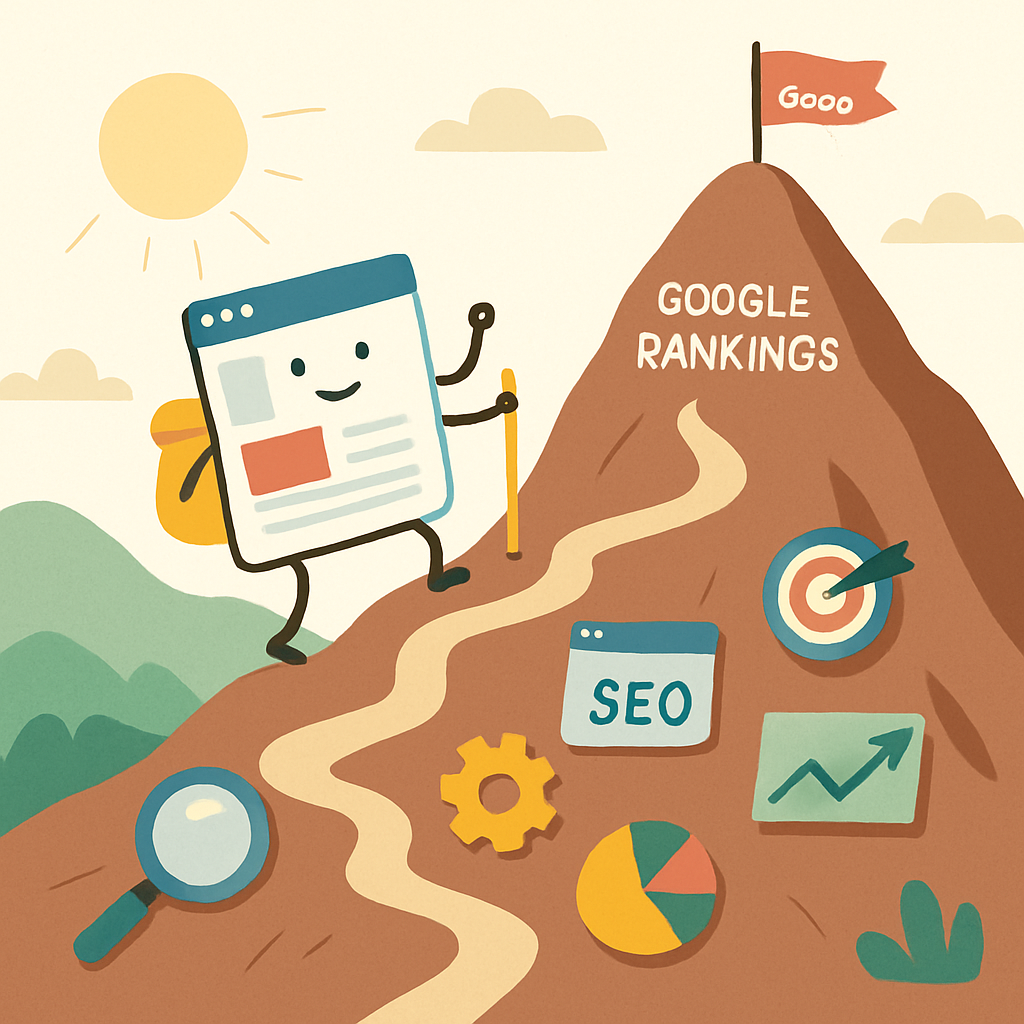
Welcome to the mystical world of Google’s ranking system, where algorithms dance and websites vie for the coveted top spots! If you’ve ever wondered how to get your website to the top of Google, you’re in for a treat. Let’s break it down, shall we?
How Google Ranks Websites
Google uses a complex algorithm that considers over 200 factors to determine the ranking of websites. Think of it as a secret recipe, where each ingredient plays a crucial role in creating that perfect dish your website’s visibility!
The Importance of SEO in Ranking
Search Engine Optimization (SEO) is like your website’s personal trainer. It helps improve your site’s strength and agility, ensuring it can compete against others in the vast digital arena. Without effective SEO strategies, your site might just be another wallflower at the online party.
Key Factors Influencing Google Rankings
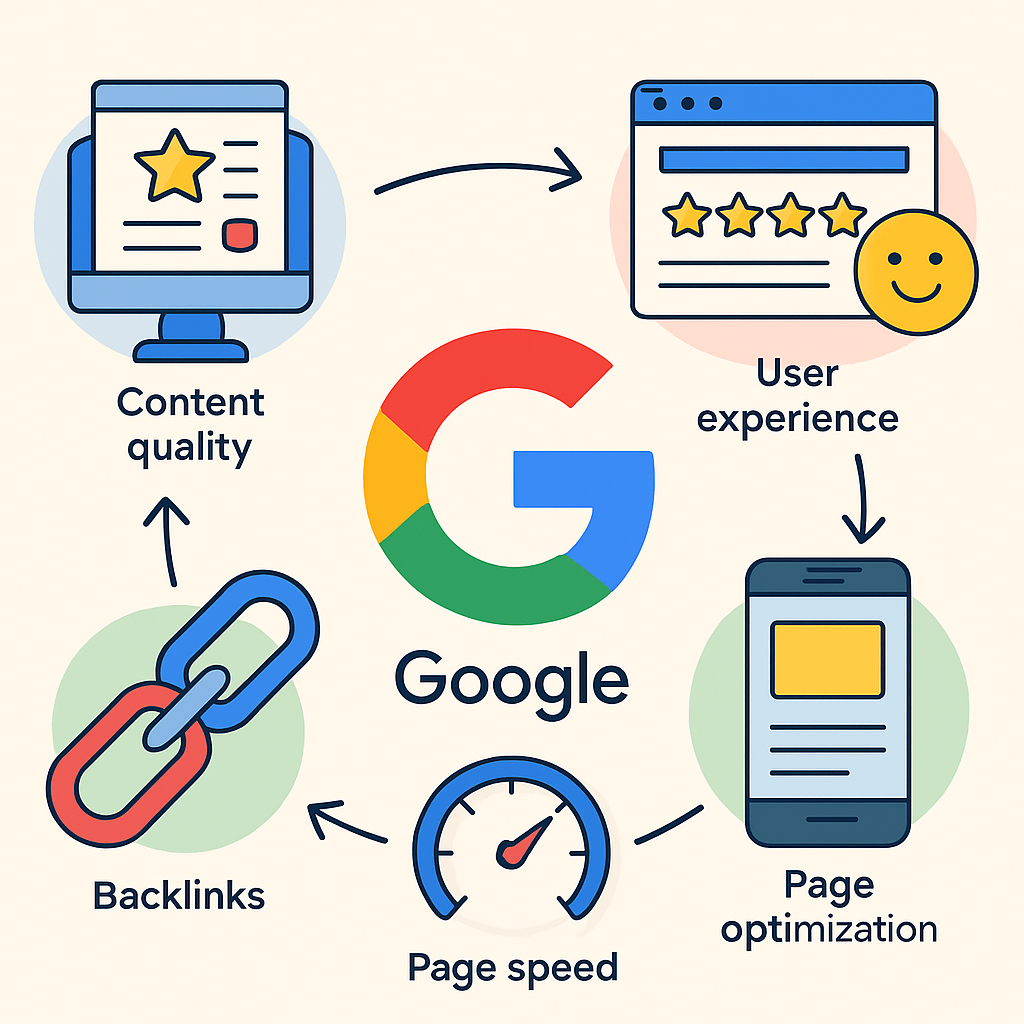
- Content Quality: High-quality, relevant content is crucial. Google loves fresh and informative content that answers users’ queries.
- User Experience: A well-structured site with easy navigation keeps visitors happy and engaged, which signals to Google that you’re worth ranking higher.
- Backlinks: Think of backlinks as votes from other websites. The more credible sites link to yours, the more authority you gain in Google’s eyes.
- Mobile Optimization: With mobile traffic on the rise, having a mobile-friendly site is no longer optional it’s essential!
- Page Speed: Slow loading times can drive users away faster than you can say “buffering.” Optimize your site speed for better rankings.
Quick Tip: Regularly update your content and ensure it’s optimized for both desktop and mobile users. This is key to improving website ranking on Google!
If you want to boost website SEO effectively, understanding these factors is just the beginning. Keep reading as we dive deeper into actionable strategies that will help you increase web visibility on Google!
SEO Strategies for Boosting Website Rankings
So, you want to know how to get your website to the top of Google? Well, buckle up! We’re diving into the nitty-gritty of SEO strategies that will not only boost your website SEO but also enhance your chances of landing in those coveted top Google search results.
Keyword Research and Implementation
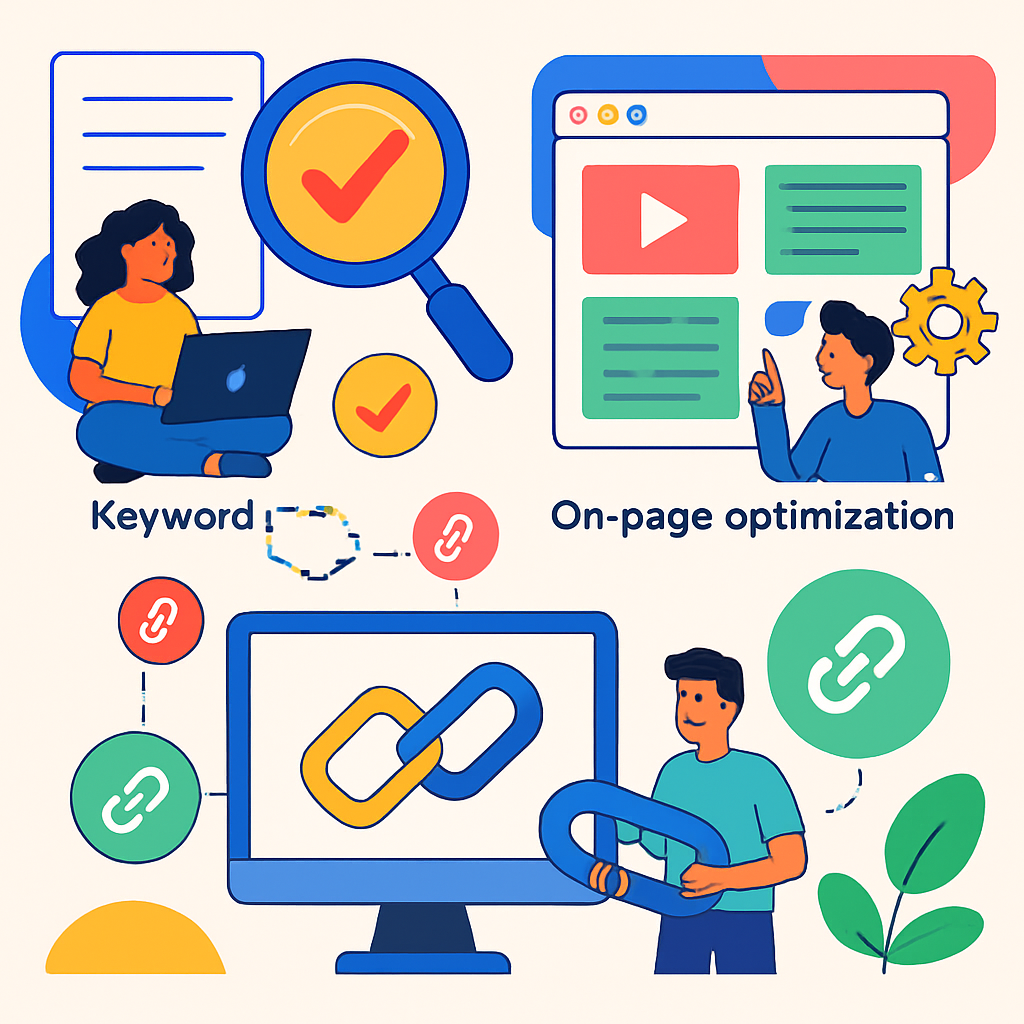
First things first: you need to understand what your audience is searching for. This is where keyword research comes into play. Use tools like Google Keyword Planner or SEMrush to find relevant keywords that align with your content and have a decent search volume.
- Long-Tail Keywords: These are gold! They might have lower search volumes, but they often convert better because they are more specific.
- Competitor Analysis: Check out what keywords your competitors are ranking for and see if you can create even better content around those topics.
- Content Optimization: Once you’ve identified your keywords, sprinkle them throughout your content naturally think titles, headers, and body text but avoid keyword stuffing like it’s a bad habit!
On-Page SEO Techniques
Your website’s on-page elements are crucial for improving website ranking on Google. Here’s how to optimize them:
- Title Tags & Meta Descriptions: Craft compelling title tags and meta descriptions that include your primary keyword. This not only helps with rankings but also improves click-through rates.
- Header Tags: Use header tags (H1, H2, H3) strategically. They help Google understand the structure of your content while making it easier for users to skim.
- Image Alt Text: Don’t forget about images! Use descriptive alt text that includes relevant keywords this helps improve Google ranking and boosts web visibility through image searches.
Off-Page SEO Techniques
Your off-page strategy is just as important as on-page tactics when it comes to achieving top search rank. Here’s what you should focus on:
- Backlink Building: High-quality backlinks from reputable sites signal authority to Google. Consider guest blogging or collaborating with influencers in your niche.
- Social Media Engagement: Share your content across social platforms to increase visibility and drive traffic back to your site. The more people engage with your content, the higher the chances of earning backlinks!
- User Engagement Metrics: Keep an eye on bounce rates and time spent on page Google favors sites that keep visitors happy!
Improving Website Visibility on Google
If you’re wondering how to get your website to the top of Google, you’ve landed in the right spot! Let’s dive into some juicy strategies that will help you boost your web visibility and climb those rankings like a ninja on a mission.
The Role of Content Quality and Relevance
First things first, let’s talk about content. Imagine your website as a fancy restaurant. If the food (content) is bland, no one’s coming back for seconds! Here are some key points to keep in mind:
- High-Quality Content: Ensure your content is informative, engaging, and well-researched. Think of it as serving a gourmet meal instead of fast food.
- Relevance: Make sure your content answers the questions your audience is asking. Use tools like Google Trends to find out what’s hot!
- Regular Updates: Keep your content fresh. Just like that old pizza in the fridge, stale content won’t do you any favors.
User Experience and Its Impact on Rankings
User experience (UX) is like the ambiance of our restaurant analogy; it needs to be inviting! A good UX can significantly improve your chances of ranking higher on Google. Here’s how:
- Fast Loading Times: If your site takes ages to load, visitors will bounce faster than a rubber ball. Aim for under 3 seconds!
- Navigability: Ensure users can easily find what they’re looking for. A clear menu (site structure) helps them navigate through your delicious offerings.
- Mobile Optimization: With more people browsing on their phones, make sure your site looks as good on mobile as it does on desktop. Think of it as offering take-out options!
Mobile Optimization for Better Ranking
Speaking of mobile optimization, this isn’t just a trend; it’s a necessity! Google has shifted its focus to mobile-first indexing, meaning if your site isn’t optimized for mobile users, you’re missing out big time.
- Responsive Design: Your website should adapt seamlessly to different screen sizes from desktops to smartphones.
- Avoid Flash: Flash is like that outdated dish no one orders anymore; it doesn’t work well on mobile devices.
- User-Friendly Interfaces: Large buttons and easy navigation are crucial for keeping mobile users happy nobody wants to squint at their screen!

Takeaway: Improving website visibility on Google isn’t just about keywords; it’s about creating an excellent user experience with high-quality content that’s easy to find and engaging!
If you follow these strategies diligently, you’ll not only learn how to get your website to the top of Google but also keep it there! So roll up those sleeves and get ready to boost that SEO like never before!
Mastering Internal Linking for SEO Success
When it comes to how to get your website to the top of Google, internal linking is like the secret sauce that can elevate your SEO game. Think of it as the friendly neighborhood spider web connecting all parts of your site, ensuring that both users and search engines can navigate smoothly.
The Importance of Internal Linking in SEO
Internal links are not just decorative; they play a vital role in improving website ranking on Google. Here’s why:
- Enhances Crawlability: Search engines use links to discover new pages. A well-structured internal linking strategy makes it easier for Google to crawl and index your content.
- Distributes Page Authority: By linking to high-quality pages within your site, you can pass on some of that sweet, sweet authority, helping those pages rank higher.
- Improves User Experience: A well-thought-out internal link structure keeps users engaged longer by guiding them through related content, reducing bounce rates.
Effective Internal Linking Methods
Now that you know why internal linking is essential, let’s explore some effective methods to master this art:
- Use Descriptive Anchor Text: Instead of “click here,” opt for descriptive phrases like “learn more about our SEO strategies.” This not only helps users but also gives search engines context.
- Create a Logical Hierarchy: Organize your content in a way that makes sense. For example, link from general topics to more specific ones think of it as a tree structure where each branch leads somewhere meaningful.
- Avoid Overlinking: Balance is key! Too many links can confuse both users and search engines. Stick with relevant links that truly add value.
Perfection in Internal Linking Strategy
A well-executed internal linking strategy can significantly contribute to your overall SEO success. Here are some tips for perfection:
- Create Pillar Content: Develop comprehensive guides on key topics and link related articles back to these pillars. This establishes authority and encourages deeper exploration.
- Regularly Audit Your Links: Periodically check for broken links or outdated content. Keeping your links fresh ensures a smooth user experience and maintains your site’s credibility.
- Utilize Tools for Optimization: Leverage tools like Ranklytics or other SEO software to analyze your internal linking structure and find opportunities for improvement.
If you’re serious about improving Google ranking and want to learn more about effective strategies, now’s the time to dive into those internal links! Start connecting the dots today!
SEO Best Practices for Achieving Top Search Rank
So, you want to know how to get your website to the top of Google? Well, buckle up because we’re diving into some SEO best practices that can transform your online presence from invisible to invincible!
Remember, achieving top Google rankings is not a sprint; it’s a marathon. Consistency and strategy are your best friends here!
Content Creation and Optimization Tips
Content is not just king; it’s the entire royal family! Here’s how to ensure your content reigns supreme:
- Quality Over Quantity: Focus on creating high-quality, engaging content that provides real value. Think of it as crafting a gourmet meal instead of slapping together a fast-food burger.
- Keyword Optimization: Naturally incorporate your primary keyword how to get your website to the top of Google along with semantic keywords throughout your content. This helps improve website ranking on Google.
- Use Headings Wisely: Break up your text using headings (H1, H2, H3) for better readability. It’s like giving readers road signs on their journey through your content!
Utilizing Relevant Posts for SEO Improvement
Dive into the treasure trove of related posts! Here’s how:
- Create Interconnected Content: Link to other relevant posts within your site. This not only boosts SEO but also keeps visitors engaged longer think of it as inviting them to explore different rooms in a mansion.
- Update Old Content: Refreshing older posts with new information or links can give them a second life and improve Google ranking.
- Create Pillar Pages: Develop comprehensive guides on key topics that link out to more specific articles. This establishes authority and improves web visibility on Google.
Monitoring and Adjusting Your SEO Strategy Regularly
If you think you can set it and forget it, think again! Here’s how to keep your strategy sharp:
- Use Analytics Tools: Regularly check tools like Google Analytics or Ranklytics to track visitor behavior and keyword performance. It’s like having a GPS for navigating the winding roads of SEO!
- A/B Testing: Experiment with different headlines, images, or calls-to-action (CTAs) to see what resonates best with your audience. It’s all about finding that sweet spot!
- Stay Updated on Trends: SEO is ever-evolving. Keep an eye on industry news and adapt accordingly think of it as surfing the wave instead of getting wiped out by it!
The Roadmap to Rank Higher on Google: A Step-by-Step Guide
Ready to embark on your quest to discover how to get your website to the top of Google? Buckle up, because this roadmap is more thrilling than a rollercoaster ride through the digital landscape. Here’s your step-by-step guide that will not only help you understand the journey but also make it a fun adventure!
Your Initial Steps: Setting Up for Success
Before you start sprinting towards those coveted top Google rankings, you need a solid foundation. Think of it as building a house; you wouldn’t start with the roof, right? Here’s what to do:
- Conduct a Website Audit: Assess your current SEO status. Tools like Google Analytics and SEMrush can be your trusty sidekicks here.
- Define Your Goals: What do you want to achieve? More traffic? Higher conversions? Be specific!
- Create a Keyword List: Use tools like Ahrefs or Ubersuggest to find keywords that resonate with your audience.
The Continuous Process of Improvement and Adaptation
Now that you’re all set up, remember: SEO is not a one-and-done deal. It’s more like maintaining a garden constant care and attention are required!
- Regularly Update Your Content: Fresh content keeps your audience engaged and signals Google that you’re active.
- A/B Testing: Experiment with different headlines, images, and CTAs. See what gets you more clicks!
- Monitor Competitors: Keep an eye on what others in your niche are doing. It’s like watching the competition in a race learn from their moves!
Tools and Resources for Tracking Progress and Making Adjustments
No hero goes into battle without their weapons! Equip yourself with these tools to track your progress effectively:
- Google Search Console: Essential for monitoring site performance and indexing issues.
- Moz Pro: Great for tracking keyword rankings and site audits.
- Screaming Frog SEO Spider: This tool crawls your site like Google does, helping identify any hidden issues.
Pro Tip: Regularly check your backlinks! Quality over quantity is key aim for relevant links from authoritative sites.
Conclusion
Frequently Asked Questions

Written by
Emma RodriguezEmma is a digital marketing consultant specializing in technical SEO and international search strategy. With a background in linguistics and data analytics, she helps brands expand into new markets through multilingual SEO and structured content frameworks.