











Table of Contents
- 1 Top 10 SEO Content Tools That Will Transform Your Content Strategy
- 1.1 Introduction
- 1.2 1. Keyword Research Tools
- 1.3 2. Content Optimization Tools
- 1.4 3. SEO Writing Tools
- 1.5 4. Content Analysis Software
- 1.6 5. On-Page SEO Tools
- 1.7 6. SERP Analysis Tools
- 1.8 7. Competitive Analysis Tools for SEO
- 1.9 8. Backlink Analysis Tools
- 1.10 9. Rank Tracking Software
- 1.11 10. AI-Powered Writing Assistants for SEO Content Creation How AI is changing the landscape of content creation Benefits and limitations of using AI writing tools < / ul > < / section > Conclusion < / section >Frequently Asked Questions
Top 10 SEO Content Tools That Will Transform Your Content Strategy
Introduction
Welcome to the wild world of SEO content tools, where your content strategy can go from drab to fab faster than you can say “keyword optimization!” In this digital age, having the right SEO content tools at your disposal is like having a secret weapon in your marketing arsenal. Think of them as the Swiss Army knives of content creation versatile, powerful, and absolutely essential for anyone looking to make a mark online.
Now, you might be wondering, “Why do I need these tools?” Well, let me paint you a picture. Imagine you’re trying to navigate a maze blindfolded. Frustrating, right? That’s what crafting an effective content strategy feels like without the right tools. From keyword research tools that help you uncover hidden gems in search queries to content optimization tools that ensure your writing hits all the right notes with search engines and readers alike these tools are here to guide you through.
But wait, there’s more! Not only do they help you create and optimize content, but they also provide insights through content analysis software, allowing you to refine your strategy based on real data rather than guesswork. With everything from on-page SEO tools to rank tracking software, we’ve got you covered!
Key Takeaway: Embracing these SEO content tools isn’t just about keeping up with trends; it’s about staying ahead in the game and ensuring your content shines in the crowded digital landscape.
Buckle up as we dive into our top 10 picks for SEO content tools that will not only transform your approach but also supercharge your results!

1. Keyword Research Tools
Welcome to the treasure hunt of the digital world keyword research! Think of keyword research tools as your trusty map, guiding you through the vast landscape of search queries and user intent. These tools are essential for uncovering what your audience is searching for, ensuring that your content is not just a shot in the dark, but a well-aimed arrow hitting its target.
Overview of Keyword Research Tools
Keyword research tools come in various shapes and sizes, each with unique features that cater to different needs. Some popular options include:
- Google Keyword Planner: A classic choice for finding keywords directly from the source.
- Ahrefs: Great for in-depth analysis and competitive insights.
- Moz Keyword Explorer: Offers keyword suggestions along with SERP analysis.
- SEMrush: A powerhouse that combines keyword research with site audits and competitor analysis.
The Importance in Content Strategy
Why bother with keyword research? Well, imagine throwing a party without inviting anyone. You might have the best snacks and music, but if no one knows about it, you’ll be dancing alone! Here’s why incorporating keyword research into your content strategy is crucial:
- Audience Targeting: Understand what your audience wants and tailor your content accordingly.
- SEO Optimization: Use keywords effectively to improve your chances of ranking higher on search engines.
- Content Gaps: Identify topics that are underserved in your niche and fill those gaps with valuable content.
A common misconception is that once you’ve found a set of keywords, you’re done. But remember: keyword trends shift like fashion trends! Regularly revisiting your keyword strategy ensures you’re always on point with what users are searching for.
2. Content Optimization Tools
Welcome to the magical realm of content optimization tools, where your words go from “meh” to magnificent! These tools are like your personal trainers for content they help you flex those SEO muscles and ensure your content is not just good, but great!
So, what exactly do these tools bring to the table? Let’s break it down:
- Features and Benefits:
- Keyword Optimization: They help you find the right keywords to sprinkle throughout your content like confetti at a party.
- Readability Scores: These tools analyze your text and provide insights on how easy it is to read. Think of it as a friendly reminder that not everyone speaks fluent “SEO.”
- Content Gap Analysis: Identify what topics you’re missing that could boost your visibility. It’s like realizing you forgot to add sprinkles on your ice cream sundae it just makes everything better!
- How They Improve Content Quality:
- SEO Audits: Regular audits can pinpoint weaknesses in your content strategy, allowing you to adjust before it’s too late. It’s like getting a check-up before the flu season hits!
- User Experience Optimization: By analyzing how users interact with your content, these tools help enhance engagement and keep readers glued to their screens.
- Semantic Search Optimization: They leverage natural language processing to tailor content for voice searches, ensuring you’re ready for the future of search queries!
Key Takeaway: Using content optimization tools is essential for refining your SEO strategy. They not only enhance the quality of each piece but also ensure that you’re meeting user expectations and search engine standards.

3. SEO Writing Tools
When it comes to crafting content that not only reads well but also pleases the search engine gods, SEO writing tools are your trusty sidekicks. Think of them as your digital quills, helping you weave words into a tapestry that attracts traffic and engagement.
Types of Writing Tools Available
- AI-Powered Writing Assistants: These tools leverage natural language processing to help generate ideas, suggest phrases, and even optimize your content for SEO. They’re like having a co-writer who knows all the latest trends in keyword optimization.
- Content Management Systems for SEO: Platforms like WordPress and HubSpot come equipped with built-in SEO features that guide you on best practices while you write. They ensure your content is not just good, but also discoverable.
- Content Gap Analysis Tools: These tools identify topics that your competitors are covering but you’re not. They help you fill those gaps with high-quality content that can boost your rankings.
- On-Page SEO Tools: Tools like Yoast SEO provide real-time feedback on how well-optimized your content is as you write, ensuring you don’t miss any important on-page elements.
Integration with Content Creation Processes
The beauty of modern SEO content tools lies in their ability to integrate seamlessly into your existing workflows. Whether you’re drafting a blog post or creating an eBook, these tools can enhance every step of the process:
- Research: Use keyword research tools to find what topics resonate with your audience before you start writing.
- Drafting: AI writing assistants can help generate initial drafts or even suggest edits to improve clarity and engagement.
- Edit & Optimize: On-page SEO tools will guide you in optimizing headlines, meta descriptions, and keyword placement as you refine your draft.
- A/B Testing: Once published, use website analytics tools to monitor how different versions of your content perform over time.
Pro Tip: Always keep user experience optimization in mind! Engaging content is great, but if it loads slowly or is hard to read on mobile devices, you’ll lose those precious visitors faster than a cat chasing a laser pointer!
The right combination of these writing tools can significantly enhance your content strategy. By integrating them into your workflow, you’re not just creating content; you’re crafting an experience that resonates with readers and ranks well in search results. So gear up and let these powerful SEO writing tools transform how you create!
4. Content Analysis Software
Imagine you’re a chef, and you’ve just whipped up a culinary masterpiece. But how do you know if your dish is actually as delicious as it looks? Enter Content Analysis Software, the taste testers of the digital world! These tools help you evaluate the effectiveness of your content, ensuring it’s not just pretty, but also packed with flavor (a.k.a SEO value).
Content analysis software provides key functionalities that are essential for any savvy content creator. Here are some of the metrics they track:
- Engagement Metrics: How long are visitors sticking around? This can give insights into whether your content is engaging enough.
- Readability Scores: Tools will assess how easy your content is to read because nobody wants to serve up a five-course meal that’s impossible to digest!
- SEO Performance: Analyze keyword usage, backlinks, and overall SEO health. Think of it as checking the seasoning in your dish too much salt (or keywords) can ruin the flavor.
- Competitor Comparisons: See how your content stacks up against competitors. This is like tasting the competition’s dishes to see where you can improve!
The role of analysis in refining your content strategy cannot be overstated. By using these tools, you can identify content gaps, understand what resonates with your audience, and adjust accordingly. For instance, if an analysis reveals that articles on “voice search optimization strategies” are performing well but yours isn’t getting traction, it might be time for a remix!
Key Takeaway: Content analysis software isn’t just about looking back; it’s about paving the way forward. Use these insights to continuously improve and adapt your content strategy.
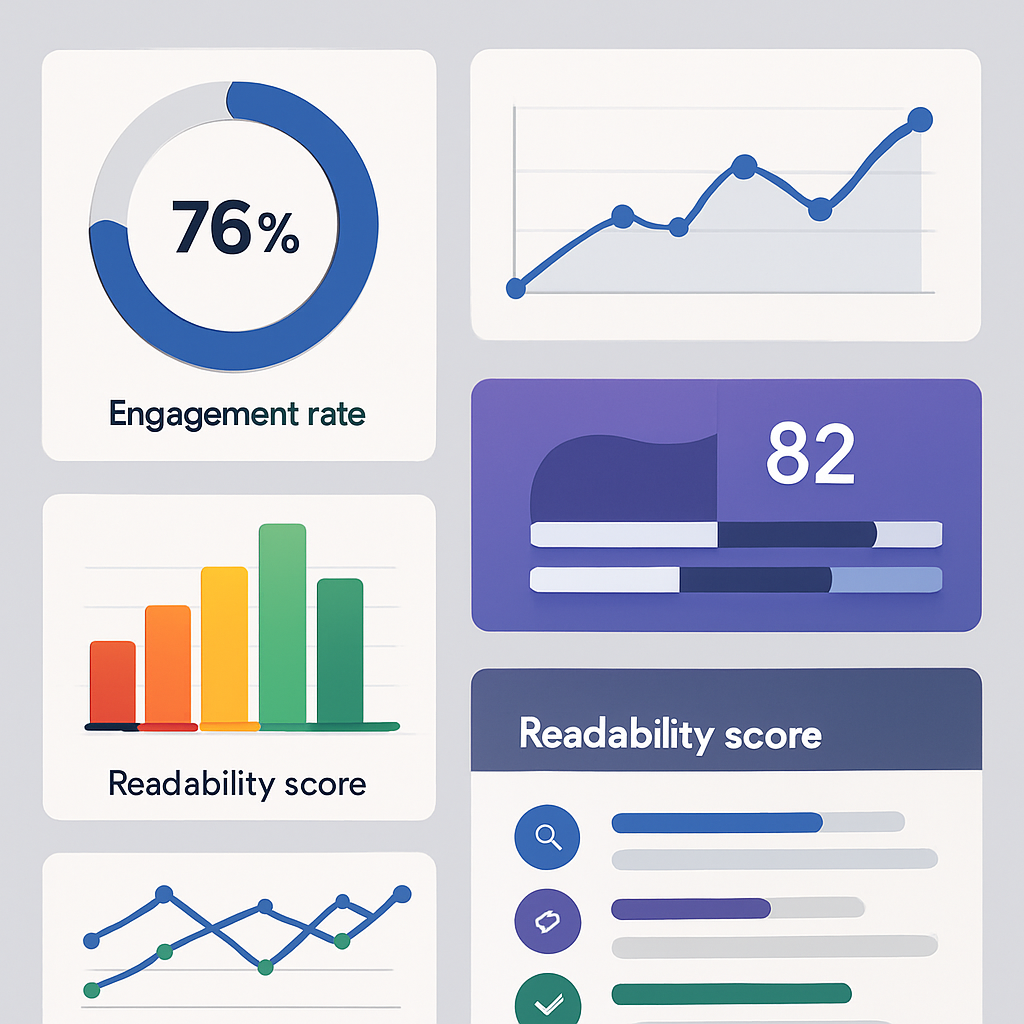
In conclusion, leveraging content analysis software is like having a secret ingredient in your recipe for success. It helps ensure that every piece of content not only looks good but also satisfies the appetite for information from your audience while improving its ranking potential on search engines.
5. On-Page SEO Tools
When it comes to the digital realm, on-page SEO tools are like the trusty Swiss Army knife in your content toolkit. They help you slice through the chaos of optimization, ensuring your content is not just created but also positioned for success. Let’s dig into why these tools are essential and which ones you should consider.
The Importance of On-Page Optimization
On-page optimization is crucial because it directly impacts how search engines interpret and rank your content. Think of it as giving your website a makeover before a big date first impressions matter! From meta tags to internal links, everything counts toward making your site more attractive to both users and search engines.
Popular Tools and Their Features
Here are some top-notch on-page SEO tools that can elevate your content strategy:
- Yoast SEO: This WordPress plugin is a favorite among bloggers for its user-friendly interface and real-time analysis of readability and keyword usage.
- SEMrush On-Page SEO Checker: This tool not only evaluates your existing pages but also provides actionable recommendations based on SERP analysis.
- Moz Pro: Known for its robust keyword optimization tools, Moz Pro helps track page performance metrics and offers insights for improving site structure.
- Ahrefs: While primarily recognized for backlink analysis, Ahrefs also features an excellent site audit tool that highlights on-page issues like broken links and missing meta descriptions.
- Screaming Frog SEO Spider: This desktop application crawls websites to identify technical issues affecting on-page SEO, making it invaluable for large sites.
A Common Misconception
A prevalent myth in the world of on-page optimization is that simply using keywords throughout your text guarantees high rankings. In reality, search engines have evolved to prioritize user experience over keyword stuffing. Focus instead on creating valuable, engaging content that addresses user intent!
Your Next Steps
If you’re ready to give your website a makeover with these stellar on-page SEO tools, start by auditing your current content. Identify areas for improvement and implement the recommendations provided by these tools. Remember, consistency is key in maintaining optimal performance!
6. SERP Analysis Tools
When it comes to crafting an effective content strategy, understanding the Search Engine Results Pages (SERPs) is like having a treasure map in a world full of hidden gems. SERP analysis tools are your trusty compass, guiding you through the intricate landscape of search results. They help you decipher what’s working for your competitors and how you can leverage that data to boost your own content’s visibility.
Did you know? Approximately 75% of users never scroll past the first page of search results. This makes SERP analysis an essential part of any successful SEO content strategy!
The Significance of SERP Analysis for Content Strategy
SERP analysis tools provide insights into:
- Keyword rankings: Understand where your content stands compared to competitors.
- Featured snippets: Identify opportunities to claim top spots on the search results.
- Search intent: Analyze what users are really looking for when they type in certain queries.
- Competitor performance: See how well others are doing and what keywords they are ranking for.
How to Leverage SERP Data Effectively
Now that you know why SERP analysis tools are crucial, let’s dive into how to make the most out of them:
- Identify Target Keywords: Use SERP analysis to find high-volume keywords that align with your content goals. This is where keyword optimization tools come into play!
- Analyze Competitors: Look at which pages rank for your target keywords and analyze their content structure, length, and engagement metrics. Are they using any unique formats or styles?
- Optimize Content Accordingly: Based on your findings, tweak your existing content or create new pieces that fill gaps in the current search landscape. This could involve using semantic search optimization techniques or targeting specific user intents.
- Monitor Changes Over Time: Regularly check back on your SERP rankings and adjust your strategy as needed. The digital marketing landscape is always evolving!

The right SERP analysis tool can be a game-changer in how you approach SEO content creation. By keeping a close eye on what’s happening in the search results, you’re not just reacting you’re proactively shaping your content strategy to meet user needs effectively.
Your next step? Dive into some popular SERP analysis tools like SEMrush or Ahrefs and start uncovering insights today! Your future self (and your website traffic) will thank you!
7. Competitive Analysis Tools for SEO
In the wild world of SEO, knowing your competitors is as crucial as knowing your own strengths. Competitive analysis tools for SEO are like having a crystal ball into your rivals’ strategies revealing their tactics, successes, and maybe even their blunders.
Understanding what makes your competitors tick can give you a significant edge. Here’s why diving into competitive analysis is essential:
- Identify Opportunities: By analyzing the content gaps in your competitors’ strategies, you can uncover areas where you can shine brighter.
- Benchmarking: See how your content stacks up against theirs. Are they killing it with backlinks? Do they have a higher domain authority? Knowing this helps set realistic benchmarks for your own content strategy.
- Tactical Insights: Discover which keywords they are targeting and how well they rank for them. This knowledge allows you to refine your own keyword optimization tools.
- Content Performance: Understand what types of content resonate with their audience. This insight can guide you in creating similar or even better content that meets user demand.
Selecting the right tool is just as important as the analysis itself. Here are some popular competitive analysis tools that can help you navigate this landscape:
- SEMrush: A powerhouse for tracking competitor keywords, backlinks, and even ad strategies.
- Ahrefs: Known for its robust backlink analysis, it’s perfect for uncovering where competitors are getting their links from.
- Moz Pro: Offers insights into domain authority and page authority metrics that help gauge competitor strength.
- SpyFu: Focuses on PPC and SEO insights, allowing you to see what keywords competitors are bidding on and how much they’re spending.
Key Takeaway: Regularly using competitive analysis tools not only keeps you informed about industry trends but also empowers your content strategy by aligning it with market needs.
8. Backlink Analysis Tools
Backlinks are like the social proof of the internet; they tell search engines, “Hey, this content is worth your time!” In the world of SEO content tools, backlink analysis tools play a crucial role in shaping your content strategy. But why are they so important? Let’s dig in!
Backlinks not only help improve your site’s authority but also drive referral traffic and enhance your visibility on search engine results pages (SERPs). Think of them as little votes of confidence from other websites, signaling to search engines that you’re a reliable source of information. Without a solid backlink strategy, your SEO efforts might feel like shouting into the void.
The Importance of Backlinks in SEO Content Strategy
- Authority Building: Quality backlinks from reputable sites enhance your domain authority.
- Traffic Generation: They can be a direct source of traffic when users click through from linked sites.
- Search Engine Ranking: More backlinks often translate to better rankings on SERPs.
Tips for Using Backlink Analysis Tools Effectively
- Select the Right Tool: Choose tools that offer comprehensive insights into link quality, anchor text distribution, and referring domains. Popular options include Ahrefs, SEMrush, and Moz.
- Avoid Toxic Links: Regularly audit your backlink profile to identify and disavow toxic links that could harm your site’s reputation.
- Monitor Competitors: Use these tools to analyze competitors’ backlinks. Identify high-value links you might want to target or replicate.
- Create Link-Worthy Content: Focus on producing high-quality content that naturally attracts backlinks. Think infographics, research studies, or unique insights!
- Diversify Your Link Profile: Aim for a mix of dofollow and nofollow links from various sources to create a balanced profile.
If you’re ready to take your backlink game to the next level, start incorporating backlink analysis tools into your regular SEO routine. They not only help you understand where you stand but also guide you toward improving your overall SEO content strategy. In the end, it’s all about building those connections that lead to greater visibility and success!
9. Rank Tracking Software
In the wild world of SEO content tools, rank tracking software is like your trusty compass always pointing you in the right direction. But what exactly does it do, and why should you care? Well, buckle up, because we’re about to dive into how this tool can supercharge your content strategy.
Rank tracking software helps you monitor where your keywords are landing in search engine results pages (SERPs). Think of it as your personal SEO watchdog, alerting you whenever there’s a change in your keyword rankings. This is crucial for ongoing content optimization because if you can’t track your progress, how will you know if your efforts are paying off?
How Rank Tracking Supports Ongoing Content Optimization
- Identify Trends: By consistently tracking keyword performance, you can spot rising trends or declining keywords that may need a refresh.
- Measure Content Effectiveness: See which pieces of content are driving traffic and which ones are falling flat. This insight is gold for refining future topics.
- Competitive Insights: Many rank tracking tools allow you to compare your rankings against competitors. This can reveal gaps in their strategies that you can exploit.
- Adapt Quickly: If a keyword suddenly drops in ranking, you’ll know to dive into an SEO audit tool and check for potential issues or opportunities for improvement.
But hold on! Not all rank tracking software is created equal. Some tools provide basic ranking data, while others offer a treasure trove of features like SERP analysis, backlink tracking, and even site performance monitoring. So before diving headfirst into the world of rank trackers, consider what specific needs you have.
Popular Rank Tracking Tools
- SEMrush: A comprehensive tool that offers detailed SERP analysis along with rank tracking capabilities.
- Ahrefs: Known for its robust backlink analysis features but also excels at keyword ranking checks.
- Moz Pro: Offers a user-friendly interface with reliable rank tracking and competitive insights.
- Ranklytics: An AI-enabled solution that integrates seamlessly with planning and writing processes while providing detailed rank insights.
The bottom line? Incorporating rank tracking software into your arsenal of SEO content tools not only keeps you informed but also empowers you to make data-driven decisions that elevate your content strategy. So gear up with the right tools and watch your rankings soar!
- < li > How rank tracking supports ongoing content optimization
- How AI is changing the landscape of content creation
- Benefits and limitations of using AI writing tools
< / ul >
< / section >
Conclusion < / section >
Frequently Asked Questions
10. AI-Powered Writing Assistants for SEO Content Creation

Written by
Michael TorresMichael is an SEO analyst and data nerd obsessed with rank tracking, SERP trends, and algorithm updates. He has spent the last 6 years turning search data into actionable content strategies for startups and growth-stage companies.