










Table of Contents
- 1 Improve Search Engine Ranking: Essential Tactics for Higher Google Positions
- 1.1 Understanding Google's Ranking Algorithms
- 1.2 Advanced Keyword Research Techniques
- 1.3 On-Page Optimization Strategies
- 1.4 Content Quality and E-A-T Principles
- 1.5 Technical SEO Enhancements
- 1.6 Building a Robust Backlink Profile
- 1.7 Leveraging Local SEO Tactics
- 1.8 Utilizing Analytics for Continuous Improvement
- 1.9 Frequently Asked Questions
Improve Search Engine Ranking: Essential Tactics for Higher Google Positions
Understanding Google's Ranking Algorithms
Did you know that the top three organic search results snag nearly 50% of all clicks? That's right! If you're not in that coveted top tier, you're practically invisible to potential customers. Understanding how Google's ranking algorithms work is like having the cheat codes to the SEO game.
Google's algorithms are a complex blend of factors, and they evolve faster than your favorite TikTok trend. While no one knows the exact recipe, there are key ingredients that can help you improve search engine ranking. The algorithms consider over 200 factors, including keyword relevance, site speed, mobile-friendliness, and user experience. It’s like a cooking competition where only the best dishes make it to the final round.
Core Web Vitals: The New Golden Standard
If you want to impress Google (and your visitors), you'll need to pay attention to Core Web Vitals. These metrics focus on loading performance, interactivity, and visual stability. Imagine you're at a restaurant: if your food takes forever to arrive, or if your table keeps wobbling while you eat, would you want to come back? Probably not! Similarly, if your website is slow or clunky, users will bounce faster than a rubber ball on a trampoline.
- Largest Contentful Paint (LCP) – How quickly does the main content load?
- First Input Delay (FID) – How responsive is your site when users interact with it?
- Cumulative Layout Shift (CLS) – Does your content shift around unexpectedly?
Content Quality: More Than Just Keywords
Content is king may be an overused phrase in SEO circles, but there’s truth behind it. Google prioritizes high-quality content that answers users' queries effectively. This means it's not just about cramming keywords into every sentence; it's about creating valuable, engaging content that keeps readers hooked.
Thin content—pages with little substance—will get you nowhere fast. Instead of writing for search engines alone, think like a user. What questions do they have? What problems can you solve? Crafting comprehensive guides or how-to articles can significantly boost your chances of climbing those rankings.
E-A-T: Expertise, Authoritativeness, Trustworthiness
E-A-T might sound like a trendy new diet plan but it's actually an acronym that Google uses to evaluate content quality. Websites that demonstrate expertise in their field gain more trust from both users and Google itself.
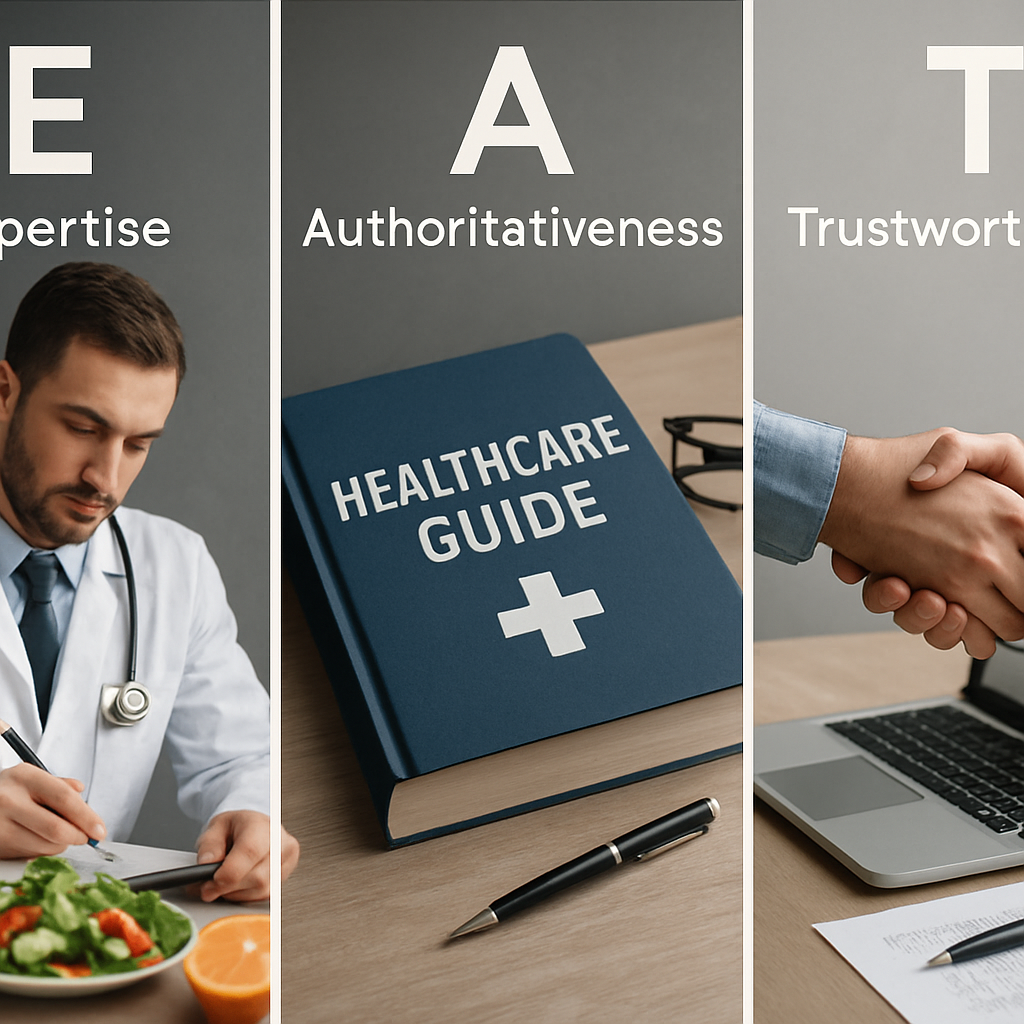
Ultimately, understanding these factors can feel like piecing together a jigsaw puzzle—but once you've got them down pat, you'll be well on your way to improving search engine ranking and reaping the rewards of increased visibility online.
Advanced Keyword Research Techniques
Think you know everything about keyword research? Think again! A staggering 70% of search queries are unique, meaning that the same old keywords just won't cut it anymore. If you're serious about improving search engine ranking, it’s time to step up your game.
Let’s face it: keyword research can feel like trying to find a needle in a haystack, especially when you’re competing against thousands of websites. But fear not! With some advanced techniques, you can uncover hidden gems that will not only boost your visibility but also connect you with your target audience in ways you never thought possible.
Leverage Long-Tail Keywords
Long-tail keywords are like the secret sauce in your SEO recipe. They may be less popular than their short-tail counterparts, but they often have lower competition and higher conversion rates. For example, instead of targeting shoes, try best running shoes for flat feet. This specificity attracts users who are further along in their buying journey—those ready to make a purchase.
Long-tail keywords can increase your chances of ranking higher and attracting more qualified traffic.
Utilize Keyword Gap Analysis
Keyword gap analysis sounds fancy, but it’s really just a way to see what keywords your competitors are ranking for that you’re not. Tools like SEMrush or Ahrefs can help you identify these opportunities. Imagine you’re a local bakery—if your competitor is ranking for gluten-free cupcakes and you're not even considering it, you're missing out on potential customers who could be sweetening up your sales!
- Analyze competitors’ top-performing pages
- Identify keywords they rank for that you don’t
- Create content targeting those gaps
People Also Ask Box Insights
People Also Ask (PAA) boxes on Google search results pages can be a goldmine for keyword ideas. These questions reflect what users are genuinely curious about and can guide your content strategy effectively. If someone types how to improve search engine ranking, and the PAA box suggests related queries like what factors affect search rankings?, that's an opportunity to create content that directly answers those questions.
Search Intent Mapping

Ultimately, advanced keyword research techniques are not just about finding the right words; they're about understanding the people behind those searches. By diving deeper into long-tail keywords, competitor gaps, PAA insights, and user intent mapping, you'll be well on your way to improving search engine ranking and connecting more authentically with your audience.
Think you know everything about keyword research? Think again! A staggering 70% of search queries are unique, meaning that the same old keywords just won't cut it anymore. If you're serious about improving search engine ranking, it’s time to step up your game.
Let’s face it: keyword research can feel like trying to find a needle in a haystack, especially when you’re competing against thousands of websites. But fear not! With some advanced techniques, you can uncover hidden gems that will not only boost your visibility but also connect you with your target audience in ways you never thought possible.
Leverage Long-Tail Keywords
Long-tail keywords are like the secret sauce in your SEO recipe. They may be less popular than their short-tail counterparts, but they often have lower competition and higher conversion rates. For example, instead of targeting shoes, try best running shoes for flat feet. This specificity attracts users who are further along in their buying journey—those ready to make a purchase.
Long-tail keywords can increase your chances of ranking higher and attracting more qualified traffic.
Utilize Keyword Gap Analysis
Keyword gap analysis sounds fancy, but it’s really just a way to see what keywords your competitors are ranking for that you’re not. Tools like SEMrush or Ahrefs can help you identify these opportunities. Imagine you’re a local bakery—if your competitor is ranking for gluten-free cupcakes and you're not even considering it, you're missing out on potential customers who could be sweetening up your sales!
- Analyze competitors’ top-performing pages
- Identify keywords they rank for that you don’t
- Create content targeting those gaps
People Also Ask Box Insights
People Also Ask (PAA) boxes on Google search results pages can be a goldmine for keyword ideas. These questions reflect what users are genuinely curious about and can guide your content strategy effectively. If someone types how to improve search engine ranking, and the PAA box suggests related queries like what factors affect search rankings?, that's an opportunity to create content that directly answers those questions.
Search Intent Mapping
Ultimately, advanced keyword research techniques are not just about finding the right words; they're about understanding the people behind those searches. By diving deeper into long-tail keywords, competitor gaps, PAA insights, and user intent mapping, you'll be well on your way to improving search engine ranking and connecting more authentically with your audience.
On-Page Optimization Strategies
Imagine pouring your heart and soul into a website only to have it gather digital dust because nobody can find it. Frustrating, right? On-page optimization is your secret weapon to ensure that doesn’t happen. It's the fine-tuning of your website's content and structure so that Google—and your visitors—can easily connect with it.
Crafting Compelling Title Tags and Meta Descriptions
Title tags are like the billboard for your webpage. If they don’t grab attention, you might as well be whispering in a crowded room. Aim for around 60 characters, include your primary keyword, and make it enticing enough that people can’t resist clicking. For example, instead of Best Coffee, try Discover the Best Coffee in Town: A Brew Lover’s Guide.
Meta descriptions serve as the enticing summary of what lies behind the link. Keep it under 160 characters, use action-oriented language, and sprinkle in relevant keywords. Think of it as the elevator pitch for your content—make it compelling!
Optimizing Header Tags
Header tags (H1, H2, H3) are not just about aesthetics; they help structure your content for both readers and search engines. Your H1 should be catchy and include the primary keyword—this is like the title of a book that tells readers what to expect.
Subheadings (H2s and H3s) break up text into digestible chunks. They guide readers through your content while signaling to Google what topics you cover. If you’re writing about SEO strategies, a subheading like The Importance of Keyword Research not only helps users skim but also tells search engines what’s up.
Image Optimization: More Than Just Pretty Pictures
A picture is worth a thousand words—but if it's not optimized, it could also be worth zero traffic! Use descriptive filenames and alt text to describe images accurately. This helps search engines understand context while making your site more accessible.
Alt text should include relevant keywords when appropriate—it’s an added bonus for improving search engine ranking!
'Internal Linking: Building Bridges Within Your Site
Internal linking is like guiding visitors through a maze; it helps them discover more of your content while boosting SEO juice across pages. When you link to related articles or pages within your site, you’re not just keeping users engaged longer; you're signaling relevance to search engines.
Imagine pouring your heart and soul into a website only to have it gather digital dust because nobody can find it. Frustrating, right? On-page optimization is your secret weapon to ensure that doesn’t happen. It's the fine-tuning of your website's content and structure so that Google—and your visitors—can easily connect with it.
Crafting Compelling Title Tags and Meta Descriptions
Title tags are like the billboard for your webpage. If they don’t grab attention, you might as well be whispering in a crowded room. Aim for around 60 characters, include your primary keyword, and make it enticing enough that people can’t resist clicking. For example, instead of Best Coffee, try Discover the Best Coffee in Town: A Brew Lover’s Guide.
Meta descriptions serve as the enticing summary of what lies behind the link. Keep it under 160 characters, use action-oriented language, and sprinkle in relevant keywords. Think of it as the elevator pitch for your content—make it compelling!
Optimizing Header Tags
Header tags (H1, H2, H3) are not just about aesthetics; they help structure your content for both readers and search engines. Your H1 should be catchy and include the primary keyword—this is like the title of a book that tells readers what to expect.
Subheadings (H2s and H3s) break up text into digestible chunks. They guide readers through your content while signaling to Google what topics you cover. If you’re writing about SEO strategies, a subheading like The Importance of Keyword Research not only helps users skim but also tells search engines what’s up.
Image Optimization: More Than Just Pretty Pictures
A picture is worth a thousand words—but if it's not optimized, it could also be worth zero traffic! Use descriptive filenames and alt text to describe images accurately. This helps search engines understand context while making your site more accessible.
Alt text should include relevant keywords when appropriate—it’s an added bonus for improving search engine ranking!
'Internal Linking: Building Bridges Within Your Site
Internal linking is like guiding visitors through a maze; it helps them discover more of your content while boosting SEO juice across pages. When you link to related articles or pages within your site, you’re not just keeping users engaged longer; you're signaling relevance to search engines.
Content Quality and E-A-T Principles
If you think slapping together a few keywords is enough to rank high on Google, think again! A staggering 91% of pages never get any organic traffic from Google, and one major reason is poor content quality. Let’s get real: if your content doesn’t engage readers or establish credibility, you’re essentially shouting into the void.
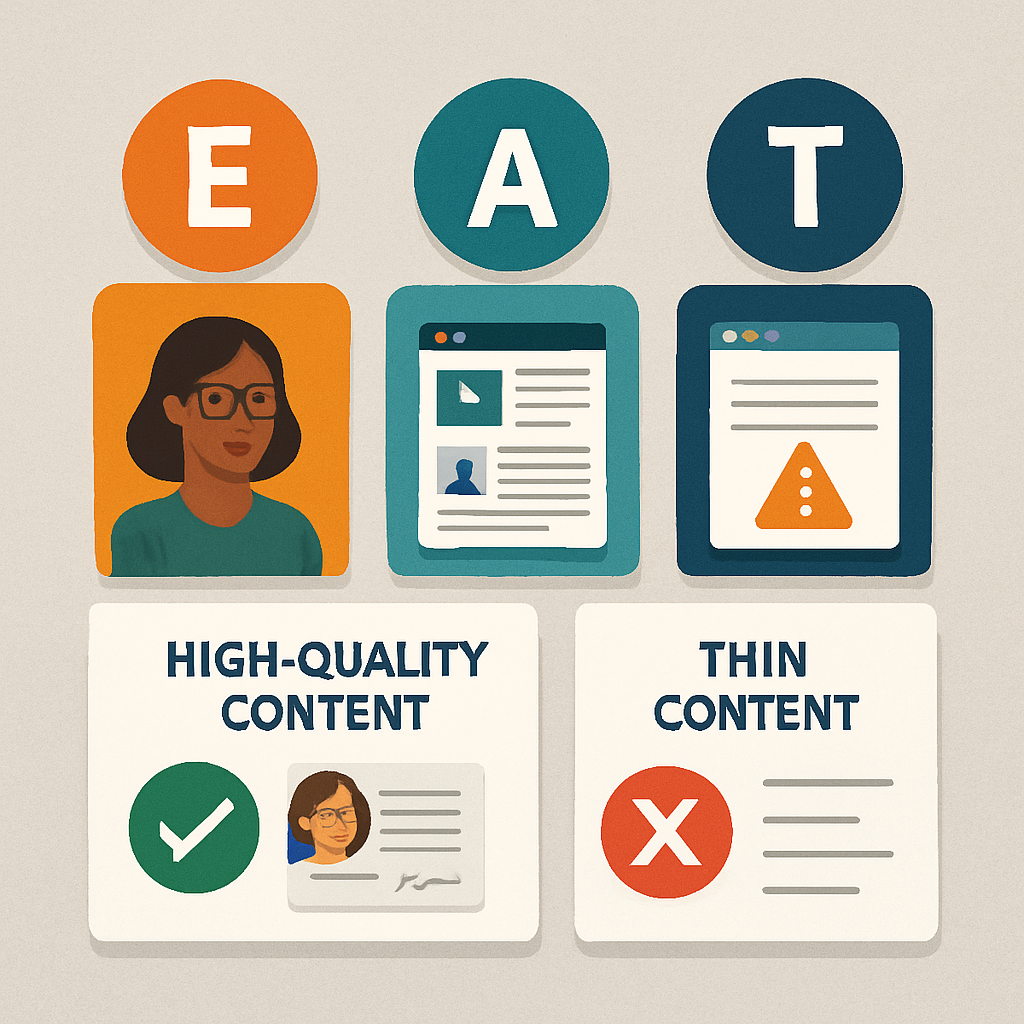
Enter E-A-T: Expertise, Authoritativeness, and Trustworthiness. These principles are not just SEO buzzwords; they’re the holy grail of content quality in Google's eyes. Imagine you’re looking for a new doctor. Would you trust someone with a half-baked website and no credentials? Of course not! Similarly, Google prioritizes content that showcases real expertise and builds trust with its audience.
Why E-A-T Matters
E-A-T is particularly crucial for YMYL (Your Money Your Life) content—think health advice or financial tips. If your website falls into this category, you better believe Google will scrutinize your credentials. For instance, a financial blog run by an anonymous writer will struggle to compete against one authored by a certified financial planner with years of experience.
- Showcase author bios that highlight qualifications.
- Cite reputable sources to back up claims.
- Regularly update content to reflect the latest information.
Thin Content vs. Quality Content
Thin content—the kind that barely scratches the surface—is like serving an appetizer when customers came for a full-course meal. It leaves users hungry for more information and boosts your bounce rate faster than you can say SEO disaster. Instead, aim for comprehensive guides that address user questions in detail.
High-quality content can lead to higher engagement rates and lower bounce rates—both critical for improving search engine ranking!
Real-World Application of E-A-T
Take a local wellness center aiming to improve search engine ranking: by creating blog posts written by certified nutritionists and featuring testimonials from satisfied clients, they not only showcase their expertise but also build trust within their community. This approach can significantly elevate their online presence.
If you think slapping together a few keywords is enough to rank high on Google, think again! A staggering 91% of pages never get any organic traffic from Google, and one major reason is poor content quality. Let’s get real: if your content doesn’t engage readers or establish credibility, you’re essentially shouting into the void.
Enter E-A-T: Expertise, Authoritativeness, and Trustworthiness. These principles are not just SEO buzzwords; they’re the holy grail of content quality in Google's eyes. Imagine you’re looking for a new doctor. Would you trust someone with a half-baked website and no credentials? Of course not! Similarly, Google prioritizes content that showcases real expertise and builds trust with its audience.
Why E-A-T Matters
E-A-T is particularly crucial for YMYL (Your Money Your Life) content—think health advice or financial tips. If your website falls into this category, you better believe Google will scrutinize your credentials. For instance, a financial blog run by an anonymous writer will struggle to compete against one authored by a certified financial planner with years of experience.
- Showcase author bios that highlight qualifications.
- Cite reputable sources to back up claims.
- Regularly update content to reflect the latest information.
Thin Content vs. Quality Content
Thin content—the kind that barely scratches the surface—is like serving an appetizer when customers came for a full-course meal. It leaves users hungry for more information and boosts your bounce rate faster than you can say SEO disaster. Instead, aim for comprehensive guides that address user questions in detail.
High-quality content can lead to higher engagement rates and lower bounce rates—both critical for improving search engine ranking!
Real-World Application of E-A-T
Take a local wellness center aiming to improve search engine ranking: by creating blog posts written by certified nutritionists and featuring testimonials from satisfied clients, they not only showcase their expertise but also build trust within their community. This approach can significantly elevate their online presence.
Technical SEO Enhancements
Ever felt like you’re running a marathon but stuck in quicksand? That’s what it’s like for websites lacking technical SEO enhancements. A staggering 70% of users abandon a site that takes more than three seconds to load. If your website is slow or poorly structured, you're waving goodbye to potential traffic and conversions.
Site Speed: The Need for Speed
Site speed is not just a nice-to-have; it’s a must-have! Google has made it crystal clear: faster sites rank higher. You can optimize images, leverage browser caching, and minimize JavaScript to shave precious seconds off your load time. Think of your website as a sports car—if it’s not tuned up and ready to zoom, you’ll fall behind the competition.
- Compress images using tools like TinyPNG.
- Use a Content Delivery Network (CDN) to distribute your content efficiently.
- Minimize HTTP requests by combining CSS and JavaScript files.
Mobile-First Isn't Just a Buzzword
Mobile-first indexing means Google will prioritize the mobile version of your site when determining rankings. If your site isn’t optimized for mobile devices, you're essentially slamming the door on over half of internet users who browse on their phones. Responsive design is key here—ensure that all elements are easily accessible and visually appealing on smaller screens.
Over 50% of global web traffic comes from mobile devices.
'Structured Data: The Secret Sauce
Structured data is like giving search engines a cheat sheet about your content. By implementing schema markup, you help Google understand the context of your pages. This can lead to rich snippets in search results—think star ratings, prices, or even event details—that grab users’ attention and improve click-through rates.
- 'Identify key pages on your site that would benefit from structured data.
- 'Use Google’s Structured Data Markup Helper to create the necessary code.
- 'Test your markup using Google’s Structured Data Testing Tool before deploying it live.
'Incorporating these technical SEO enhancements might feel daunting at first, but think of it as upgrading from a bicycle to a high-speed train. Once you’ve made these adjustments, you'll be well-equipped to improve search engine ranking and attract those coveted clicks!
Ever felt like you’re running a marathon but stuck in quicksand? That’s what it’s like for websites lacking technical SEO enhancements. A staggering 70% of users abandon a site that takes more than three seconds to load. If your website is slow or poorly structured, you're waving goodbye to potential traffic and conversions.
Site Speed: The Need for Speed
Site speed is not just a nice-to-have; it’s a must-have! Google has made it crystal clear: faster sites rank higher. You can optimize images, leverage browser caching, and minimize JavaScript to shave precious seconds off your load time. Think of your website as a sports car—if it’s not tuned up and ready to zoom, you’ll fall behind the competition.
- Compress images using tools like TinyPNG.
- Use a Content Delivery Network (CDN) to distribute your content efficiently.
- Minimize HTTP requests by combining CSS and JavaScript files.
Mobile-First Isn't Just a Buzzword
Mobile-first indexing means Google will prioritize the mobile version of your site when determining rankings. If your site isn’t optimized for mobile devices, you're essentially slamming the door on over half of internet users who browse on their phones. Responsive design is key here—ensure that all elements are easily accessible and visually appealing on smaller screens.
Over 50% of global web traffic comes from mobile devices.
'Structured Data: The Secret Sauce
Structured data is like giving search engines a cheat sheet about your content. By implementing schema markup, you help Google understand the context of your pages. This can lead to rich snippets in search results—think star ratings, prices, or even event details—that grab users’ attention and improve click-through rates.
- 'Identify key pages on your site that would benefit from structured data.
- 'Use Google’s Structured Data Markup Helper to create the necessary code.
- 'Test your markup using Google’s Structured Data Testing Tool before deploying it live.
'Incorporating these technical SEO enhancements might feel daunting at first, but think of it as upgrading from a bicycle to a high-speed train. Once you’ve made these adjustments, you'll be well-equipped to improve search engine ranking and attract those coveted clicks!
Building a Robust Backlink Profile
Let’s get one thing straight: backlinks are like the votes of confidence in the world of SEO. A study found that 93% of web pages receive no organic traffic from Google, and a major reason for this is a weak backlink profile. Simply put, if you want to improve search engine ranking, you need to make sure your site is getting some serious love from other reputable sources.
Think of backlinks as the social proof of the internet. Just like you’d trust a restaurant more if it’s packed with happy diners, Google trusts your site more if it’s linked to by other authoritative sites. But here’s where most people trip up: they think any link will do. Spoiler alert: it won’t! Quality trumps quantity every time.
The Importance of Relevance
If you're a local gym looking for backlinks, a shout-out from a high-end spa won’t do much for you—unless they’re also talking about fitness! Relevance is key. When your backlinks come from sites in your niche or industry, it tells Google that you’re an authority in that area. It’s like getting an endorsement from a celebrity in your field; suddenly, you're the go-to expert!
Strategies to Build Quality Backlinks
- Guest blogging on reputable sites within your industry.
- Creating shareable infographics and data-driven content.
- Engaging with local businesses to establish partnerships and mutual linking.
- Using broken link building techniques to offer replacements for outdated links.
A solid backlink strategy can elevate your site’s credibility and visibility significantly.
Monitoring Your Backlink Profile
Building backlinks isn’t a set-it-and-forget-it deal. You need to keep tabs on your profile regularly. Tools like Ahrefs or Moz can help you analyze where your links are coming from and ensure they’re still relevant and high-quality.
In conclusion, building a robust backlink profile isn’t just about collecting links; it’s about cultivating relationships and ensuring those links come from credible sources within your niche. Think quality over quantity, stay relevant, and keep monitoring those links to maintain your hard-earned search engine ranking.
Let’s get one thing straight: backlinks are like the votes of confidence in the world of SEO. A study found that 93% of web pages receive no organic traffic from Google, and a major reason for this is a weak backlink profile. Simply put, if you want to improve search engine ranking, you need to make sure your site is getting some serious love from other reputable sources.
Think of backlinks as the social proof of the internet. Just like you’d trust a restaurant more if it’s packed with happy diners, Google trusts your site more if it’s linked to by other authoritative sites. But here’s where most people trip up: they think any link will do. Spoiler alert: it won’t! Quality trumps quantity every time.
The Importance of Relevance
If you're a local gym looking for backlinks, a shout-out from a high-end spa won’t do much for you—unless they’re also talking about fitness! Relevance is key. When your backlinks come from sites in your niche or industry, it tells Google that you’re an authority in that area. It’s like getting an endorsement from a celebrity in your field; suddenly, you're the go-to expert!
Strategies to Build Quality Backlinks
- Guest blogging on reputable sites within your industry.
- Creating shareable infographics and data-driven content.
- Engaging with local businesses to establish partnerships and mutual linking.
- Using broken link building techniques to offer replacements for outdated links.
A solid backlink strategy can elevate your site’s credibility and visibility significantly.
Monitoring Your Backlink Profile
Building backlinks isn’t a set-it-and-forget-it deal. You need to keep tabs on your profile regularly. Tools like Ahrefs or Moz can help you analyze where your links are coming from and ensure they’re still relevant and high-quality.
In conclusion, building a robust backlink profile isn’t just about collecting links; it’s about cultivating relationships and ensuring those links come from credible sources within your niche. Think quality over quantity, stay relevant, and keep monitoring those links to maintain your hard-earned search engine ranking.
Leveraging Local SEO Tactics
If your business isn’t showing up in local search results, it’s like having a fabulous restaurant in the middle of nowhere—great food, but no diners! A staggering 46% of all Google searches are looking for local information. If you're not leveraging local SEO tactics, you’re essentially closing your doors to a significant portion of potential customers.
Local SEO is all about connecting with your community. Imagine you run a cozy coffee shop in a bustling neighborhood. When someone nearby types best coffee near me, you want to be at the top of that list! To improve search engine ranking for local searches, there are several tactics you can employ.
Claim Your Google My Business Listing
First things first: claiming and optimizing your Google My Business (GMB) listing is a game-changer. This free tool lets you manage how your business appears on Google Search and Maps. Fill out every section—hours, services, photos—like it’s your dating profile. The more complete and appealing, the higher your chances of catching someone's eye!
- Ensure NAP (Name, Address, Phone number) consistency across all platforms.
- Encourage happy customers to leave reviews.
- Post updates and offers regularly to keep your listing fresh.
Businesses with complete information on GMB are 70% more likely to attract location visits.
'Local Keywords: Your New Best Friends
'Incorporating local keywords into your website content is crucial for improving search engine ranking. Think beyond just the name of your city; consider neighborhoods or landmarks that resonate with locals. For example, instead of just targeting pizza restaurant, try best pizza in downtown Springfield. This specificity makes it easier for nearby customers to find you when they’re hungry and searching online.
'Local Content Creation
'Creating content that speaks directly to local events or topics can also boost your visibility. If there’s a popular annual festival in town or an emerging trend among residents, writing blog posts about these can position you as an authority in the community while attracting local traffic.
Ultimately, leveraging local SEO tactics isn’t just about optimizing for search engines; it’s about becoming an integral part of your community's digital landscape. By claiming your GMB listing, using local keywords strategically, and creating relevant content, you'll not only improve search engine ranking but also foster real connections with potential customers who are right around the corner!
If your business isn’t showing up in local search results, it’s like having a fabulous restaurant in the middle of nowhere—great food, but no diners! A staggering 46% of all Google searches are looking for local information. If you're not leveraging local SEO tactics, you’re essentially closing your doors to a significant portion of potential customers.
Local SEO is all about connecting with your community. Imagine you run a cozy coffee shop in a bustling neighborhood. When someone nearby types best coffee near me, you want to be at the top of that list! To improve search engine ranking for local searches, there are several tactics you can employ.
Claim Your Google My Business Listing
First things first: claiming and optimizing your Google My Business (GMB) listing is a game-changer. This free tool lets you manage how your business appears on Google Search and Maps. Fill out every section—hours, services, photos—like it’s your dating profile. The more complete and appealing, the higher your chances of catching someone's eye!
- Ensure NAP (Name, Address, Phone number) consistency across all platforms.
- Encourage happy customers to leave reviews.
- Post updates and offers regularly to keep your listing fresh.
Businesses with complete information on GMB are 70% more likely to attract location visits.
'Local Keywords: Your New Best Friends
'Incorporating local keywords into your website content is crucial for improving search engine ranking. Think beyond just the name of your city; consider neighborhoods or landmarks that resonate with locals. For example, instead of just targeting pizza restaurant, try best pizza in downtown Springfield. This specificity makes it easier for nearby customers to find you when they’re hungry and searching online.
'Local Content Creation
'Creating content that speaks directly to local events or topics can also boost your visibility. If there’s a popular annual festival in town or an emerging trend among residents, writing blog posts about these can position you as an authority in the community while attracting local traffic.
Ultimately, leveraging local SEO tactics isn’t just about optimizing for search engines; it’s about becoming an integral part of your community's digital landscape. By claiming your GMB listing, using local keywords strategically, and creating relevant content, you'll not only improve search engine ranking but also foster real connections with potential customers who are right around the corner!
Utilizing Analytics for Continuous Improvement
Imagine pouring hours into your SEO strategy, only to realize you’ve been chasing the wrong keywords. Ouch! That’s the reality for many businesses that don’t leverage analytics effectively. In fact, a recent study revealed that companies using data-driven decision-making are 5 times more likely to make faster decisions than their competitors. If you want to improve search engine ranking, analytics is your best friend.
Analytics tools provide insights that can transform your SEO game from guesswork to precision targeting. They help you identify what’s working and what’s not—like a personal trainer who tells you when to pump the brakes on those ineffective exercises. By monitoring metrics such as organic traffic, bounce rates, and conversion rates, you can pinpoint areas for improvement and optimize accordingly.
Key Metrics to Monitor
To effectively utilize analytics, focus on these key metrics:
- Organic Traffic: The number of visitors coming from search engines.
- Bounce Rate: The percentage of visitors who leave after viewing only one page.
- Conversion Rate: The percentage of visitors who complete a desired action (like signing up or making a purchase).
- Average Session Duration: How long visitors stay on your site.
- Keyword Rankings: Where your target keywords rank in search results.
Each of these metrics tells a story about how users interact with your site. For instance, a high bounce rate could indicate that visitors aren’t finding what they expected or that your content isn’t engaging enough. Conversely, an increasing organic traffic trend suggests that your SEO efforts are paying off!
'A/B Testing: Experimenting for Success
'A/B testing is like running a science experiment on your website. You create two versions of a page—let's say one with a red CTA button and another with green—and see which performs better in terms of conversions. This method allows you to make data-driven decisions rather than relying on intuition alone.
'A/B testing can lead to significant improvements in conversion rates—sometimes even doubling them!
'Utilizing analytics doesn’t stop at just monitoring metrics; it’s about creating a feedback loop for continuous improvement. Regularly review performance data, adjust strategies based on findings, and keep testing new ideas until you find the sweet spot that boosts your rankings.
Imagine pouring hours into your SEO strategy, only to realize you’ve been chasing the wrong keywords. Ouch! That’s the reality for many businesses that don’t leverage analytics effectively. In fact, a recent study revealed that companies using data-driven decision-making are 5 times more likely to make faster decisions than their competitors. If you want to improve search engine ranking, analytics is your best friend.
Analytics tools provide insights that can transform your SEO game from guesswork to precision targeting. They help you identify what’s working and what’s not—like a personal trainer who tells you when to pump the brakes on those ineffective exercises. By monitoring metrics such as organic traffic, bounce rates, and conversion rates, you can pinpoint areas for improvement and optimize accordingly.
Key Metrics to Monitor
To effectively utilize analytics, focus on these key metrics:
- Organic Traffic: The number of visitors coming from search engines.
- Bounce Rate: The percentage of visitors who leave after viewing only one page.
- Conversion Rate: The percentage of visitors who complete a desired action (like signing up or making a purchase).
- Average Session Duration: How long visitors stay on your site.
- Keyword Rankings: Where your target keywords rank in search results.
Each of these metrics tells a story about how users interact with your site. For instance, a high bounce rate could indicate that visitors aren’t finding what they expected or that your content isn’t engaging enough. Conversely, an increasing organic traffic trend suggests that your SEO efforts are paying off!
'A/B Testing: Experimenting for Success
'A/B testing is like running a science experiment on your website. You create two versions of a page—let's say one with a red CTA button and another with green—and see which performs better in terms of conversions. This method allows you to make data-driven decisions rather than relying on intuition alone.
'A/B testing can lead to significant improvements in conversion rates—sometimes even doubling them!
'Utilizing analytics doesn’t stop at just monitoring metrics; it’s about creating a feedback loop for continuous improvement. Regularly review performance data, adjust strategies based on findings, and keep testing new ideas until you find the sweet spot that boosts your rankings.
Frequently Asked Questions

Written by
Michael TorresMichael is an SEO analyst and data nerd obsessed with rank tracking, SERP trends, and algorithm updates. He has spent the last 6 years turning search data into actionable content strategies for startups and growth-stage companies.