









Table of Contents
- 1 Finding and Analyzing Backlinks: A Complete Strategy
- 1.1 Identifying Valuable Backlink Sources
- 1.2 Advanced Techniques for Backlink Discovery
- 1.3 Analyzing Backlink Profiles
- 1.4 The Role of Anchor Text in Backlinks
- 1.5 Monitoring Backlink Performance Over Time
- 1.6 Building a Sustainable Backlink Strategy
- 1.7 Legal and Ethical Considerations in Backlink Acquisition
- 1.8 Frequently Asked Questions
Finding and Analyzing Backlinks: A Complete Strategy
Identifying Valuable Backlink Sources
Ever tried to get a date with someone who’s way out of your league? That’s what it feels like when you’re chasing after high-authority backlinks without a solid strategy. But here’s the thing: not all backlinks are created equal, and identifying the right sources can make or break your SEO game.
Building links, not just analyzing them? See how Ranklytics Backlink Exchange earns relevant editorial links automatically — and read whether exchanges are safe in 2026 before you start.
A recent study shows that websites with a higher number of quality backlinks rank up to 50% higher on Google. That’s not just a number; it’s a goldmine waiting to be tapped. So, how do you find those precious backlinks that will elevate your site from obscurity to stardom?
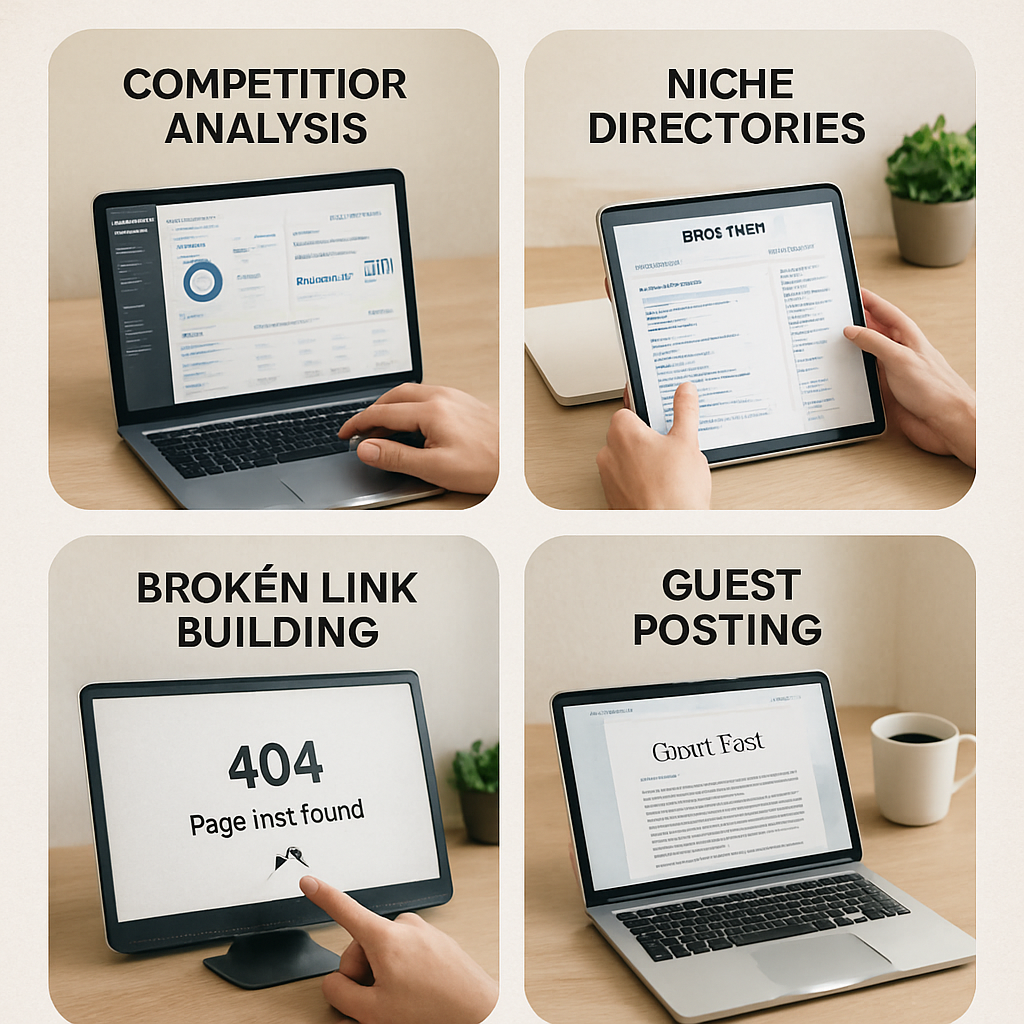
Start with Competitor Analysis
One of the most effective ways to identify valuable backlink sources is by snooping on your competitors. Use tools like Ahrefs or SEMrush to analyze their backlink profiles. Look for domains that link to them but not to you. These are your golden opportunities! For instance, if you run an eco-friendly product store, and a competitor has backlinks from popular sustainability blogs, that’s where you should focus your outreach efforts.
Leverage Niche Directories and Resource Pages
Niche directories can be like hidden treasure chests for backlink opportunities. They’re often overlooked but can yield fantastic results if done right. Search for directories specific to your industry—like best vegan restaurants if you're in food—and submit your site. Similarly, resource pages often curate links on specific topics; getting featured here is like being invited to an exclusive club.
- Local business directories (if applicable)
- Best of lists in your niche
- Resources pages from reputable blogs
Broken Link Building Strategy
Broken link building is as simple as it sounds: find broken links on websites within your niche and offer them a replacement with your content. This method not only helps the website owner fix their broken links but also gives you an opportunity for a valuable backlink. Tools like Check My Links can help you quickly identify broken links on any page.
Broken link building is a win-win: you're helping others while boosting your own SEO!
Guest posting remains one of the most effective ways to build quality backlinks while showcasing your expertise. Identify blogs in your niche that accept guest posts, pitch them ideas that are valuable for their audience, and include a link back to your site within the content.
Ultimately, identifying valuable backlink sources boils down to being strategic and resourceful. Keep an eye on competitors’ successes while exploring niche-specific avenues—each step brings you closer to mastering how to find backlinks that truly matter.
Ever tried to get a date with someone who’s way out of your league? That’s what it feels like when you’re chasing after high-authority backlinks without a solid strategy. But here’s the thing: not all backlinks are created equal, and identifying the right sources can make or break your SEO game.
A recent study shows that websites with a higher number of quality backlinks rank up to 50% higher on Google. That’s not just a number; it’s a goldmine waiting to be tapped. So, how do you find those precious backlinks that will elevate your site from obscurity to stardom?
Start with Competitor Analysis
One of the most effective ways to identify valuable backlink sources is by snooping on your competitors. Use tools like Ahrefs or SEMrush to analyze their backlink profiles. Look for domains that link to them but not to you. These are your golden opportunities! For instance, if you run an eco-friendly product store, and a competitor has backlinks from popular sustainability blogs, that’s where you should focus your outreach efforts.
Leverage Niche Directories and Resource Pages
Niche directories can be like hidden treasure chests for backlink opportunities. They’re often overlooked but can yield fantastic results if done right. Search for directories specific to your industry—like best vegan restaurants if you're in food—and submit your site. Similarly, resource pages often curate links on specific topics; getting featured here is like being invited to an exclusive club.
- Local business directories (if applicable)
- Best of lists in your niche
- Resources pages from reputable blogs
Broken Link Building Strategy
Broken link building is as simple as it sounds: find broken links on websites within your niche and offer them a replacement with your content. This method not only helps the website owner fix their broken links but also gives you an opportunity for a valuable backlink. Tools like Check My Links can help you quickly identify broken links on any page.
Broken link building is a win-win: you're helping others while boosting your own SEO!
Guest posting remains one of the most effective ways to build quality backlinks while showcasing your expertise. Identify blogs in your niche that accept guest posts, pitch them ideas that are valuable for their audience, and include a link back to your site within the content.
Ultimately, identifying valuable backlink sources boils down to being strategic and resourceful. Keep an eye on competitors’ successes while exploring niche-specific avenues—each step brings you closer to mastering how to find backlinks that truly matter.
Advanced Techniques for Backlink Discovery
So you think you've got your backlink game down? Well, let me hit you with a stat: over 90% of websites never get backlinks from external sources. That’s right—most sites are like the wallflower at a high school dance, just waiting for someone to notice them. If you're serious about learning how to find backlinks that will elevate your site, it’s time to step into the spotlight and use some advanced techniques.
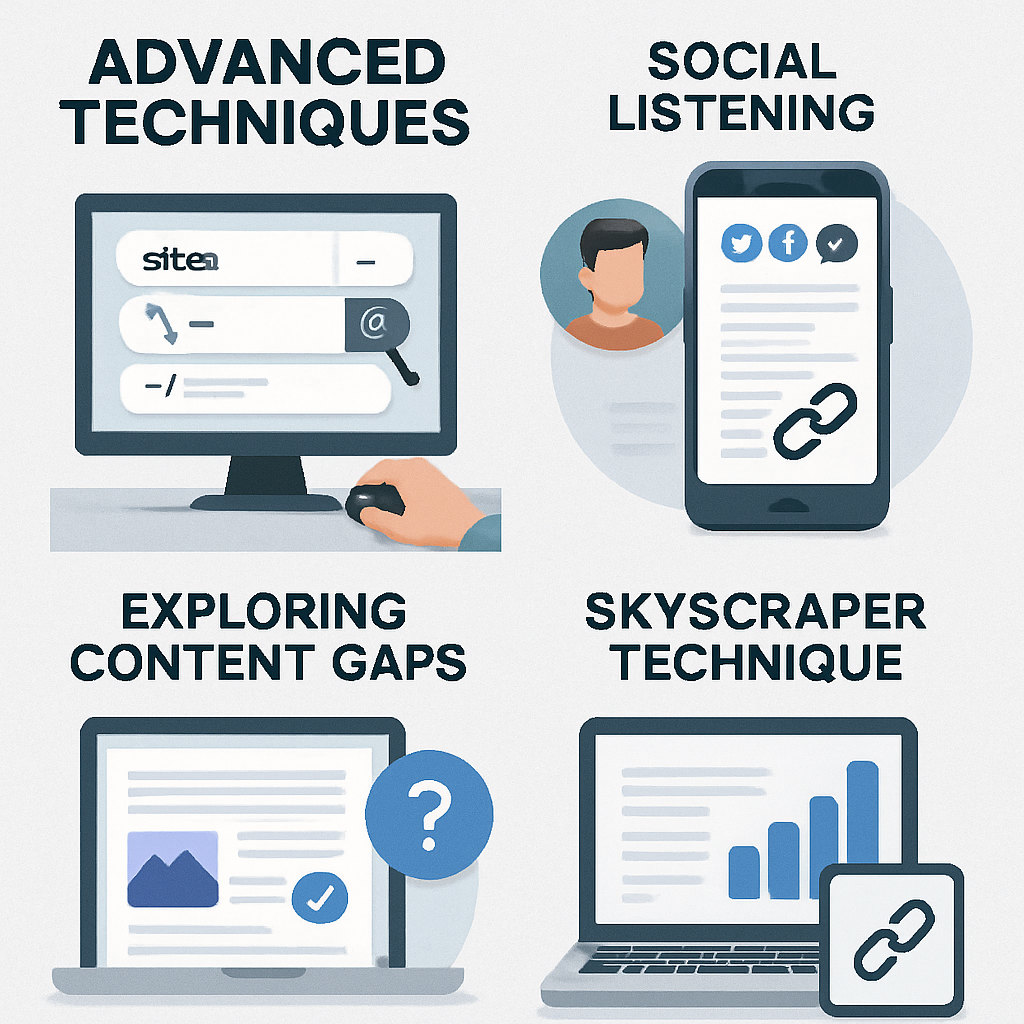
Utilizing Advanced Search Operators
You might be familiar with Google search operators like site: and inurl: but have you ever thought of using them creatively for backlink discovery? By combining operators, you can uncover hidden backlink opportunities. For example, searching for yourkeyword + write for us will pull up guest posting opportunities that are practically begging for your content.
- yourkeyword + resources
- yourkeyword + blogroll
- yourkeyword + links out
Engaging in Social Listening
What on earth is social listening? I hear you ask. It’s the art of eavesdropping on social media conversations to find mentions of your brand or industry keywords. Tools like Mention or Brand24 can help you discover where people are discussing relevant topics and potentially linking back to sources—like yours! If someone asks for recommendations and they mention your niche, swoop in and offer your insights along with a link.
Social listening is not just about monitoring; it's about engaging and building relationships!
Exploring Content Gaps
Content gaps? Sounds like something I’d find in my fridge! But seriously, identifying content gaps between your site and competitors can reveal goldmines of backlink potential. Use tools like Ahrefs or SEMrush to analyze what content is ranking well for others but not for you. Create high-quality content that fills these gaps and then reach out to websites linking to similar articles—offering them your superior resource.
Skyscraper Technique Revisited
The Skyscraper Technique isn’t just a one-time wonder; it’s a strategy that keeps giving. Find top-performing articles in your niche, create something even more comprehensive or visually appealing, then reach out to those who linked to the original piece. This method relies heavily on quality outreach—personalization is key here; no one likes a generic email!
Mastering how to find backlinks isn't just about throwing spaghetti at the wall and seeing what sticks; it requires strategy, creativity, and a willingness to dig deeper than most people do. So grab those tools and start implementing these advanced techniques today!
So you think you've got your backlink game down? Well, let me hit you with a stat: over 90% of websites never get backlinks from external sources. That’s right—most sites are like the wallflower at a high school dance, just waiting for someone to notice them. If you're serious about learning how to find backlinks that will elevate your site, it’s time to step into the spotlight and use some advanced techniques.
Utilizing Advanced Search Operators
You might be familiar with Google search operators like site: and inurl: but have you ever thought of using them creatively for backlink discovery? By combining operators, you can uncover hidden backlink opportunities. For example, searching for yourkeyword + write for us will pull up guest posting opportunities that are practically begging for your content.
- yourkeyword + resources
- yourkeyword + blogroll
- yourkeyword + links out
Engaging in Social Listening
What on earth is social listening? I hear you ask. It’s the art of eavesdropping on social media conversations to find mentions of your brand or industry keywords. Tools like Mention or Brand24 can help you discover where people are discussing relevant topics and potentially linking back to sources—like yours! If someone asks for recommendations and they mention your niche, swoop in and offer your insights along with a link.
Social listening is not just about monitoring; it's about engaging and building relationships!
Exploring Content Gaps
Content gaps? Sounds like something I’d find in my fridge! But seriously, identifying content gaps between your site and competitors can reveal goldmines of backlink potential. Use tools like Ahrefs or SEMrush to analyze what content is ranking well for others but not for you. Create high-quality content that fills these gaps and then reach out to websites linking to similar articles—offering them your superior resource.
Skyscraper Technique Revisited
The Skyscraper Technique isn’t just a one-time wonder; it’s a strategy that keeps giving. Find top-performing articles in your niche, create something even more comprehensive or visually appealing, then reach out to those who linked to the original piece. This method relies heavily on quality outreach—personalization is key here; no one likes a generic email!
Mastering how to find backlinks isn't just about throwing spaghetti at the wall and seeing what sticks; it requires strategy, creativity, and a willingness to dig deeper than most people do. So grab those tools and start implementing these advanced techniques today!
Analyzing Backlink Profiles
Ever felt like your website is a great party but no one’s showing up? That’s often the case when you don’t have a solid backlink profile. A staggering 75% of websites never analyze their backlinks, which is like throwing a party without checking if anyone’s invited. Understanding your backlink profile can illuminate the path to better rankings and more traffic.
When you’re figuring out how to find backlinks, it’s not just about quantity; it’s about quality. Think of your backlink profile as your digital reputation. Are you getting links from respected sources, or are those links coming from spammy sites that could drag you down? A well-analyzed backlink profile can reveal much about your site’s standing in the eyes of search engines.
Assessing Link Quality
Start by evaluating the authority of the domains linking to you. Tools like Moz's Domain Authority or Ahrefs' Domain Rating can help you gauge this. For instance, if a local bakery blog links to your gourmet food site, that link might not carry as much weight compared to one from a major culinary magazine. Focus on building relationships with high-authority sites; they’re like VIP guests at your party.
- Look for relevant industry connections.
- Check for organic traffic to the linking site.
- Evaluate the content quality on the referring page.
Identifying Toxic Links
Toxic backlinks are like uninvited guests who crash your party and start causing trouble. They can harm your SEO efforts and lead to penalties from search engines. Use tools like SEMrush or Google Search Console to identify these harmful links. Look for sites with low domain authority or those flagged for spammy practices.
Tip: Regularly audit your backlink profile to keep it clean and healthy!
Disavowing toxic links might be necessary—this is essentially telling Google, Hey, I didn’t invite these folks! You can do this through Google’s Disavow Tool, but use it cautiously; disavowing too many links can also backfire.
Link Velocity: The Rate of Backlink Acquisition
Link velocity refers to how quickly you’re gaining backlinks over time. If you suddenly spike in backlinks after being dormant for months, it could raise red flags with search engines—think of it as having a sudden influx of guests without an invitation! Ideally, aim for steady growth in backlinks; consistency is key.
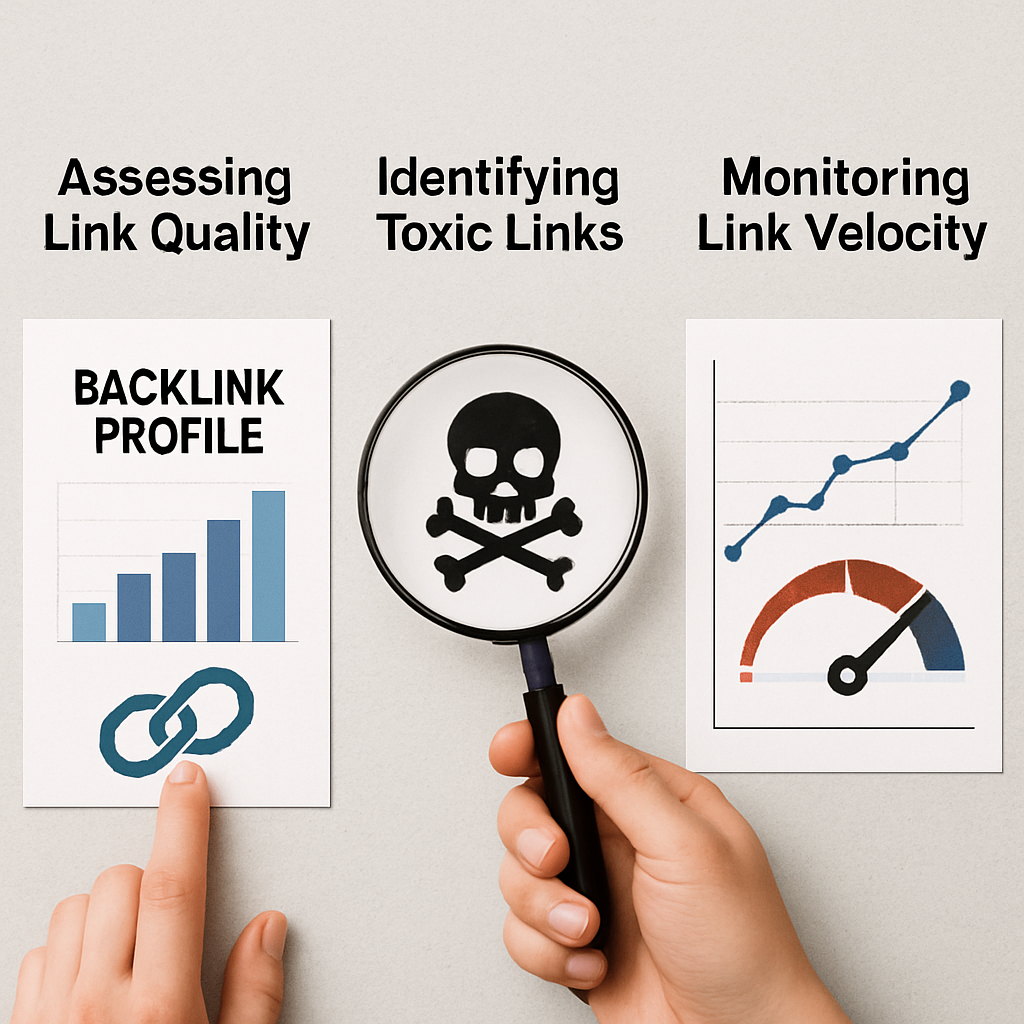
Finally, remember that analyzing your backlink profile isn’t a one-time task—it should be part of an ongoing strategy. Regular audits will help you stay ahead of potential issues and continuously refine your approach to acquiring high-quality backlinks.
Ever felt like your website is a great party but no one’s showing up? That’s often the case when you don’t have a solid backlink profile. A staggering 75% of websites never analyze their backlinks, which is like throwing a party without checking if anyone’s invited. Understanding your backlink profile can illuminate the path to better rankings and more traffic.
When you’re figuring out how to find backlinks, it’s not just about quantity; it’s about quality. Think of your backlink profile as your digital reputation. Are you getting links from respected sources, or are those links coming from spammy sites that could drag you down? A well-analyzed backlink profile can reveal much about your site’s standing in the eyes of search engines.
Assessing Link Quality
Start by evaluating the authority of the domains linking to you. Tools like Moz's Domain Authority or Ahrefs' Domain Rating can help you gauge this. For instance, if a local bakery blog links to your gourmet food site, that link might not carry as much weight compared to one from a major culinary magazine. Focus on building relationships with high-authority sites; they’re like VIP guests at your party.
- Look for relevant industry connections.
- Check for organic traffic to the linking site.
- Evaluate the content quality on the referring page.
Identifying Toxic Links
Toxic backlinks are like uninvited guests who crash your party and start causing trouble. They can harm your SEO efforts and lead to penalties from search engines. Use tools like SEMrush or Google Search Console to identify these harmful links. Look for sites with low domain authority or those flagged for spammy practices.
Tip: Regularly audit your backlink profile to keep it clean and healthy!
Disavowing toxic links might be necessary—this is essentially telling Google, Hey, I didn’t invite these folks! You can do this through Google’s Disavow Tool, but use it cautiously; disavowing too many links can also backfire.
Link Velocity: The Rate of Backlink Acquisition
Link velocity refers to how quickly you’re gaining backlinks over time. If you suddenly spike in backlinks after being dormant for months, it could raise red flags with search engines—think of it as having a sudden influx of guests without an invitation! Ideally, aim for steady growth in backlinks; consistency is key.
Finally, remember that analyzing your backlink profile isn’t a one-time task—it should be part of an ongoing strategy. Regular audits will help you stay ahead of potential issues and continuously refine your approach to acquiring high-quality backlinks.
The Role of Anchor Text in Backlinks
Think of anchor text as the signpost on the highway of SEO. It guides both users and search engines to the content that's just around the corner. Yet, many website owners overlook this crucial element, treating it like an afterthought when building backlinks. Spoiler alert: that's a huge mistake!
Studies have shown that about 36% of SEO professionals consider anchor text to be one of the top three factors influencing search rankings. So, if you’re still using generic phrases like click here or read more, it’s time to rethink your strategy. Your anchor text should be as compelling as a movie trailer—enticing enough for viewers to click and find out more.
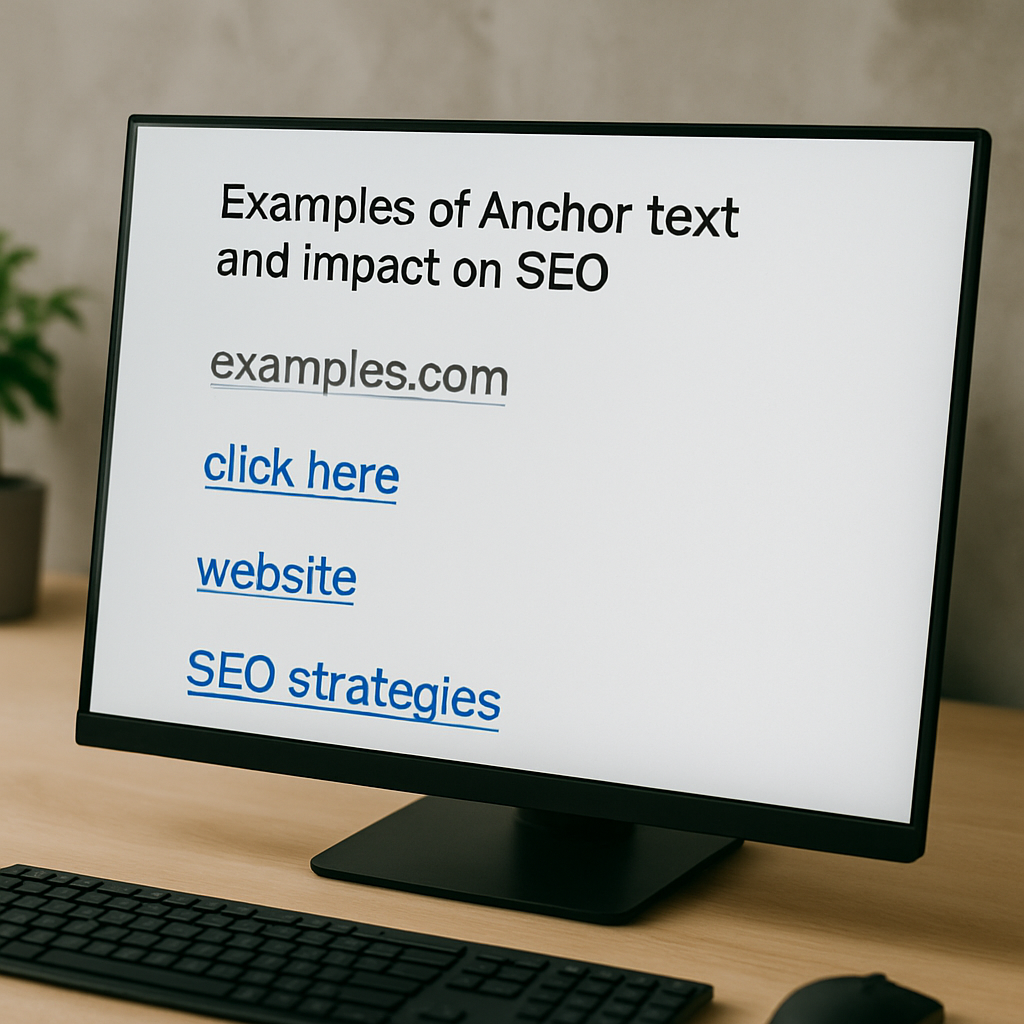
Types of Anchor Text
When crafting your anchor text, variety is key. Here are some types to consider:
- Exact Match: This includes your target keyword (e.g., best vegan recipes).
- Partial Match: A variation that includes related keywords (e.g., vegan recipes for beginners).
- Branded: Uses your brand name (e.g., Ranklytics insights).
- Generic: Non-descriptive links (e.g., click here). Avoid this!
- Naked URLs: Just the URL itself (e.g., https://ranklytics.ai).
Exact match and partial match anchor texts can boost relevance significantly!
Why Anchor Text Matters
So what? you might ask. Well, search engines use anchor text as a ranking signal. The right words can help Google understand what your linked content is about, improving its chances of ranking higher for those keywords. Plus, well-crafted anchor text enhances user experience by providing context.
Over-Optimization Pitfalls
While optimizing your anchor text is essential, overdoing it can lead to penalties from Google—think of it as trying too hard at a party and ending up awkwardly dancing alone in the corner. Keep your anchor texts natural and relevant; avoid stuffing them with keywords.
To illustrate this point, let’s say you run an online store selling eco-friendly products. If every backlink points to your site with the exact phrase eco-friendly products, search engines might flag it as spammy behavior. Instead, mix it up with phrases like sustainable living tips or even branded terms.
In conclusion, understanding the role of anchor text in backlinks is vital for anyone serious about how to find backlinks effectively. Not only does it enhance user experience and improve SEO performance, but it also helps establish authority in your niche.
Next time you’re strategizing about how to find backlinks, don’t just focus on quantity; pay attention to how you’re packaging those links with smart, strategic anchor text!
Think of anchor text as the signpost on the highway of SEO. It guides both users and search engines to the content that's just around the corner. Yet, many website owners overlook this crucial element, treating it like an afterthought when building backlinks. Spoiler alert: that's a huge mistake!
Studies have shown that about 36% of SEO professionals consider anchor text to be one of the top three factors influencing search rankings. So, if you’re still using generic phrases like click here or read more, it’s time to rethink your strategy. Your anchor text should be as compelling as a movie trailer—enticing enough for viewers to click and find out more.
Types of Anchor Text
When crafting your anchor text, variety is key. Here are some types to consider:
- Exact Match: This includes your target keyword (e.g., best vegan recipes).
- Partial Match: A variation that includes related keywords (e.g., vegan recipes for beginners).
- Branded: Uses your brand name (e.g., Ranklytics insights).
- Generic: Non-descriptive links (e.g., click here). Avoid this!
- Naked URLs: Just the URL itself (e.g., https://ranklytics.ai).
Exact match and partial match anchor texts can boost relevance significantly!
Why Anchor Text Matters
So what? you might ask. Well, search engines use anchor text as a ranking signal. The right words can help Google understand what your linked content is about, improving its chances of ranking higher for those keywords. Plus, well-crafted anchor text enhances user experience by providing context.
Over-Optimization Pitfalls
While optimizing your anchor text is essential, overdoing it can lead to penalties from Google—think of it as trying too hard at a party and ending up awkwardly dancing alone in the corner. Keep your anchor texts natural and relevant; avoid stuffing them with keywords.
To illustrate this point, let’s say you run an online store selling eco-friendly products. If every backlink points to your site with the exact phrase eco-friendly products, search engines might flag it as spammy behavior. Instead, mix it up with phrases like sustainable living tips or even branded terms.
In conclusion, understanding the role of anchor text in backlinks is vital for anyone serious about how to find backlinks effectively. Not only does it enhance user experience and improve SEO performance, but it also helps establish authority in your niche.
Next time you’re strategizing about how to find backlinks, don’t just focus on quantity; pay attention to how you’re packaging those links with smart, strategic anchor text!
Monitoring Backlink Performance Over Time
You know what’s worse than losing your keys? Realizing your hard-earned backlinks are fading away like last year’s fashion trends. A staggering 60% of backlinks can disappear within a year, leaving many website owners scrambling to figure out where their traffic went. If you’re serious about how to find backlinks and keep them working for you, monitoring their performance over time is non-negotiable.
The Importance of Backlink Monitoring
Think of backlink monitoring as a fitness tracker for your website's SEO health. Just as you wouldn’t ignore those extra calories creeping in, you shouldn’t ignore the status of your backlinks. Regular checks can help you spot trends, identify toxic links, and see which sources are still sending traffic your way.
- Identify which backlinks are still active and driving traffic.
- Spot any toxic links that may harm your site’s reputation.
- Measure the impact of new backlinks on your rankings.
Tools for Effective Monitoring
So how do you keep tabs on these elusive backlinks? Several tools can help you track their performance. Tools like Ahrefs, SEMrush, and Moz not only provide insights into the number of backlinks but also show their quality and relevance over time. For instance, Ahrefs allows you to set up alerts for new or lost backlinks—like having a personal assistant who never forgets!
Pro Tip: Schedule regular audits—at least quarterly—to ensure you're always in the loop about your backlink profile.
Analyzing Link Quality Over Time
Out with the old, in with the new should be your mantra when it comes to analyzing link quality. A backlink that once brought in traffic might lose its value due to changes in domain authority or content relevance. Make it a habit to assess not just how many links you have but how valuable they are—like keeping track of which friends bring the best snacks to movie night.
- (1) Check domain authority regularly.
- (2) Evaluate if the linking content is still relevant.
- (3) Consider reaching out for updates if a backlink has gone stale.
You know what’s worse than losing your keys? Realizing your hard-earned backlinks are fading away like last year’s fashion trends. A staggering 60% of backlinks can disappear within a year, leaving many website owners scrambling to figure out where their traffic went. If you’re serious about how to find backlinks and keep them working for you, monitoring their performance over time is non-negotiable.
The Importance of Backlink Monitoring
Think of backlink monitoring as a fitness tracker for your website's SEO health. Just as you wouldn’t ignore those extra calories creeping in, you shouldn’t ignore the status of your backlinks. Regular checks can help you spot trends, identify toxic links, and see which sources are still sending traffic your way.
- Identify which backlinks are still active and driving traffic.
- Spot any toxic links that may harm your site’s reputation.
- Measure the impact of new backlinks on your rankings.
Tools for Effective Monitoring
So how do you keep tabs on these elusive backlinks? Several tools can help you track their performance. Tools like Ahrefs, SEMrush, and Moz not only provide insights into the number of backlinks but also show their quality and relevance over time. For instance, Ahrefs allows you to set up alerts for new or lost backlinks—like having a personal assistant who never forgets!
Pro Tip: Schedule regular audits—at least quarterly—to ensure you're always in the loop about your backlink profile.
Analyzing Link Quality Over Time
Out with the old, in with the new should be your mantra when it comes to analyzing link quality. A backlink that once brought in traffic might lose its value due to changes in domain authority or content relevance. Make it a habit to assess not just how many links you have but how valuable they are—like keeping track of which friends bring the best snacks to movie night.
- (1) Check domain authority regularly.
- (2) Evaluate if the linking content is still relevant.
- (3) Consider reaching out for updates if a backlink has gone stale.
Building a Sustainable Backlink Strategy
Imagine this: you’ve just scored a handful of backlinks, and you’re feeling like a rockstar. But fast forward a few months, and poof! They’ve vanished into thin air, leaving you back at square one. A sustainable backlink strategy isn’t just about chasing numbers; it’s about building relationships that stand the test of time.
In fact, studies show that nearly 60% of backlinks can disappear within a year. That’s not just an inconvenience; it’s a wake-up call for anyone serious about their SEO game. So, how do we ensure that our backlinks don’t pull a disappearing act?
Focus on Quality Over Quantity
Let’s face it: having a hundred low-quality backlinks is like throwing confetti at a party—looks great for a moment but doesn’t really add any value. Instead, aim for high-quality links from authoritative sites in your niche. Think of these links as VIP passes to the SEO club; they carry weight and credibility.
- Prioritize links from sites with high domain authority.
- Seek relevance in your niche—links should come from related content.
- Engage with the linking site to build rapport.
Nurture Your Relationships
Out of sight, out of mind is not just an old saying; it’s a reality in the world of backlinks. After securing a link, don’t just pat yourself on the back and move on. Keep nurturing that relationship! Regularly engage with the content creators or website owners who linked to you—share their articles, comment on their blogs, or even collaborate on future projects.
A little appreciation goes a long way in keeping those valuable links alive!
Monitor and Maintain Your Backlinks
Set it and forget it does not apply here. Regularly monitor your backlink profile using tools like Ahrefs or SEMrush to check which links are still active and driving traffic. If you notice any disappearing acts or toxic links creeping into your profile, take action immediately—whether that's reaching out to the site owner or disavowing harmful links.
Ultimately, understanding how to find backlinks is only half the battle; maintaining them is where the real magic happens. Commit to building genuine relationships and consistently monitoring your link profile—your rankings will thank you!
Imagine this: you’ve just scored a handful of backlinks, and you’re feeling like a rockstar. But fast forward a few months, and poof! They’ve vanished into thin air, leaving you back at square one. A sustainable backlink strategy isn’t just about chasing numbers; it’s about building relationships that stand the test of time.
In fact, studies show that nearly 60% of backlinks can disappear within a year. That’s not just an inconvenience; it’s a wake-up call for anyone serious about their SEO game. So, how do we ensure that our backlinks don’t pull a disappearing act?
Focus on Quality Over Quantity
Let’s face it: having a hundred low-quality backlinks is like throwing confetti at a party—looks great for a moment but doesn’t really add any value. Instead, aim for high-quality links from authoritative sites in your niche. Think of these links as VIP passes to the SEO club; they carry weight and credibility.
- Prioritize links from sites with high domain authority.
- Seek relevance in your niche—links should come from related content.
- Engage with the linking site to build rapport.
Nurture Your Relationships
Out of sight, out of mind is not just an old saying; it’s a reality in the world of backlinks. After securing a link, don’t just pat yourself on the back and move on. Keep nurturing that relationship! Regularly engage with the content creators or website owners who linked to you—share their articles, comment on their blogs, or even collaborate on future projects.
A little appreciation goes a long way in keeping those valuable links alive!
Monitor and Maintain Your Backlinks
Set it and forget it does not apply here. Regularly monitor your backlink profile using tools like Ahrefs or SEMrush to check which links are still active and driving traffic. If you notice any disappearing acts or toxic links creeping into your profile, take action immediately—whether that's reaching out to the site owner or disavowing harmful links.
Ultimately, understanding how to find backlinks is only half the battle; maintaining them is where the real magic happens. Commit to building genuine relationships and consistently monitoring your link profile—your rankings will thank you!
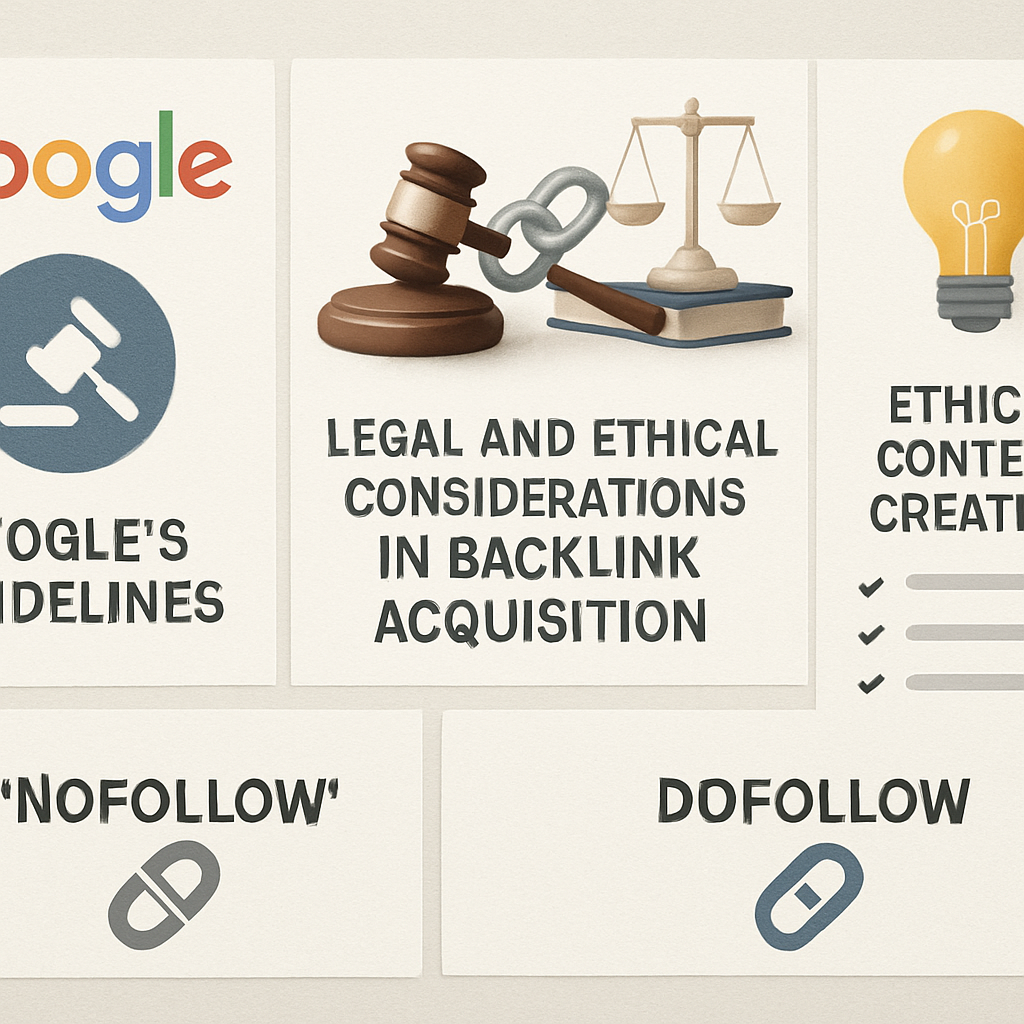
Legal and Ethical Considerations in Backlink Acquisition
Imagine this: you've just crafted the perfect outreach email to a high-authority site, ready to score that coveted backlink. But wait—did you check the legal and ethical implications of your approach? Spoiler alert: ignoring these can lead to more than just a bruised ego; it could land you in hot water with search engines or even legal authorities.
A staggering 85% of SEO professionals admit to not fully understanding the legal aspects of backlink acquisition. This oversight can lead to unethical practices like buying links or using deceptive tactics, which can result in penalties from Google or, worse, lawsuits from aggrieved parties.
Understanding Google's Guidelines
Google's guidelines are pretty clear: manipulative link-building practices are a no-go. Engaging in black-hat tactics like buying links or participating in link farms might give you short-term gains, but the long-term consequences could be disastrous. Think of it as trying to cheat your way through school—eventually, the truth will catch up with you.
- Avoid purchasing backlinks.
- Steer clear of link exchanges that lack transparency.
- Don’t engage in spammy outreach tactics.
The Ethics of Content Creation
Content is king, they say, but what about ethical content creation? If you're using someone else's work without proper attribution, that's not just bad form; it's plagiarism. Always ensure that your content is original or properly cited. Plus, creating genuinely valuable content increases your chances of earning backlinks naturally—no shady business needed!
Creating high-quality, original content not only boosts your SEO but also builds trust with your audience.
No Follow vs Do Follow Links
No follow links don’t pass on SEO juice but can still provide referral traffic. Understanding when to use them ethically is crucial. If you're guest posting or collaborating with sites that require no follow links, don’t view them as inferior; they still have value and align with ethical practices.
Navigating the world of backlinks doesn’t have to feel like walking through a minefield. By prioritizing ethical practices and adhering to legal guidelines, you’ll not only enhance your site's reputation but also build lasting relationships within your industry. So next time you're strategizing how to find backlinks, remember: integrity matters!
Imagine this: you've just crafted the perfect outreach email to a high-authority site, ready to score that coveted backlink. But wait—did you check the legal and ethical implications of your approach? Spoiler alert: ignoring these can lead to more than just a bruised ego; it could land you in hot water with search engines or even legal authorities.
A staggering 85% of SEO professionals admit to not fully understanding the legal aspects of backlink acquisition. This oversight can lead to unethical practices like buying links or using deceptive tactics, which can result in penalties from Google or, worse, lawsuits from aggrieved parties.
Understanding Google's Guidelines
Google's guidelines are pretty clear: manipulative link-building practices are a no-go. Engaging in black-hat tactics like buying links or participating in link farms might give you short-term gains, but the long-term consequences could be disastrous. Think of it as trying to cheat your way through school—eventually, the truth will catch up with you.
- Avoid purchasing backlinks.
- Steer clear of link exchanges that lack transparency.
- Don’t engage in spammy outreach tactics.
The Ethics of Content Creation
Content is king, they say, but what about ethical content creation? If you're using someone else's work without proper attribution, that's not just bad form; it's plagiarism. Always ensure that your content is original or properly cited. Plus, creating genuinely valuable content increases your chances of earning backlinks naturally—no shady business needed!
Creating high-quality, original content not only boosts your SEO but also builds trust with your audience.
No Follow vs Do Follow Links
No follow links don’t pass on SEO juice but can still provide referral traffic. Understanding when to use them ethically is crucial. If you're guest posting or collaborating with sites that require no follow links, don’t view them as inferior; they still have value and align with ethical practices.
Navigating the world of backlinks doesn’t have to feel like walking through a minefield. By prioritizing ethical practices and adhering to legal guidelines, you’ll not only enhance your site's reputation but also build lasting relationships within your industry. So next time you're strategizing how to find backlinks, remember: integrity matters!
Frequently Asked Questions

Written by
Sarah MitchellSarah is a senior SEO content strategist with 8+ years of experience helping SaaS and e-commerce brands grow organic traffic. She specializes in AI-driven content workflows, topical authority, and conversion-focused SEO. When she is not optimizing content, she is hiking trails in Colorado.