













Table of Contents
- 1 Increase Search Engine Ranking: Actionable Tips to Boost Your Online Presence
- 1.1 Understanding Search Engine Algorithms
- 1.2 On-Page SEO Strategies for Enhanced Ranking
- 1.3 Content Quality as a Ranking Factor
- 1.4 Technical SEO Enhancements
- 1.5 Off-Page Factors Impacting Search Rankings
- 1.6 Local SEO Tactics for Geographical Relevance
- 1.7 Monitoring and Analyzing SEO Performance
- 1.8 Future-Proofing Your SEO Strategy
Increase Search Engine Ranking: Actionable Tips to Boost Your Online Presence
Understanding Search Engine Algorithms
Search engine algorithms are the unsung heroes of the digital age, quietly determining which websites get the spotlight and which fade into oblivion. Did you know that over 90% of online experiences begin with a search engine? That's a staggering figure that underscores just how crucial it is to increase search engine ranking.
Imagine running a quaint little bakery in a bustling neighborhood, but no one knows it exists because it's hidden behind a giant billboard advertising a fast-food chain. That’s what it feels like for websites that don’t optimize for search engines. The algorithms are like the gatekeepers, deciding who gets to shine and who gets lost in the digital shuffle.
How Algorithms Work
At their core, search engine algorithms analyze countless factors to determine relevance and authority. They’re more complex than your favorite mystery novel, constantly evolving to provide users with the best possible results. Factors include keyword usage, site speed, mobile-friendliness, backlinks, and user engagement metrics.
A well-optimized website can see its traffic soar by up to 200%!
The Role of Keywords
Keywords are like breadcrumbs that lead search engines to your content. This means choosing the right keywords is not just important; it's essential! For instance, if you're running an online store selling eco-friendly products, using keywords like sustainable home goods or eco-friendly kitchen supplies can help you attract the right customers.
- Long-tail keywords can be more effective than broad terms.
- Local SEO is key for businesses targeting specific geographical areas.
- Semantic search means understanding user intent behind queries.
Black Hat vs White Hat SEO
Navigating this algorithmic maze requires understanding ethical practices versus shortcuts. Black hat techniques might promise quick results but can lead to penalties or being banned from search results altogether. Think of it as trying to cheat in a game—eventually, you’ll get caught.
On the flip side, white hat SEO focuses on creating quality content and improving user experience—strategies that build lasting relationships with both users and search engines alike.

Understanding these nuances not only helps you avoid pitfalls but also empowers you to craft strategies that align with algorithm updates—because trust me, they will happen!
In summary, mastering search engine algorithms isn't just about following trends; it's about adapting to an ever-shifting landscape while keeping your audience at heart. So next time you're strategizing how to increase search engine ranking for your site, remember: focus on quality content and user experience!
Search engine algorithms are the unsung heroes of the digital age, quietly determining which websites get the spotlight and which fade into oblivion. Did you know that over 90% of online experiences begin with a search engine? That's a staggering figure that underscores just how crucial it is to increase search engine ranking.
Imagine running a quaint little bakery in a bustling neighborhood, but no one knows it exists because it's hidden behind a giant billboard advertising a fast-food chain. That’s what it feels like for websites that don’t optimize for search engines. The algorithms are like the gatekeepers, deciding who gets to shine and who gets lost in the digital shuffle.
How Algorithms Work
At their core, search engine algorithms analyze countless factors to determine relevance and authority. They’re more complex than your favorite mystery novel, constantly evolving to provide users with the best possible results. Factors include keyword usage, site speed, mobile-friendliness, backlinks, and user engagement metrics.
A well-optimized website can see its traffic soar by up to 200%!
The Role of Keywords
Keywords are like breadcrumbs that lead search engines to your content. This means choosing the right keywords is not just important; it's essential! For instance, if you're running an online store selling eco-friendly products, using keywords like sustainable home goods or eco-friendly kitchen supplies can help you attract the right customers.
- Long-tail keywords can be more effective than broad terms.
- Local SEO is key for businesses targeting specific geographical areas.
- Semantic search means understanding user intent behind queries.
Black Hat vs White Hat SEO
Navigating this algorithmic maze requires understanding ethical practices versus shortcuts. Black hat techniques might promise quick results but can lead to penalties or being banned from search results altogether. Think of it as trying to cheat in a game—eventually, you’ll get caught.
On the flip side, white hat SEO focuses on creating quality content and improving user experience—strategies that build lasting relationships with both users and search engines alike.
Understanding these nuances not only helps you avoid pitfalls but also empowers you to craft strategies that align with algorithm updates—because trust me, they will happen!
In summary, mastering search engine algorithms isn't just about following trends; it's about adapting to an ever-shifting landscape while keeping your audience at heart. So next time you're strategizing how to increase search engine ranking for your site, remember: focus on quality content and user experience!
On-Page SEO Strategies for Enhanced Ranking
If you think sprinkling a few keywords on your page is enough, think again! A staggering 75% of users never scroll past the first page of search results. That means if you're not optimizing your on-page SEO, you're practically invisible. Let's fix that!
Crafting Compelling Title Tags and Meta Descriptions
Your title tag and meta description are like the cover of a book—if they don’t entice readers, they’ll never open it. A well-crafted title tag should include your primary keyword and be under 60 characters to ensure it displays fully in search results. Meanwhile, your meta description should provide a concise summary of what users can expect from your page, ideally between 150-160 characters.
A compelling title tag can increase click-through rates by up to 20%!
Optimizing Header Tags for Structure
Header tags (H1, H2, H3) not only help organize your content but also signal to search engines what’s important. Use H1 for the main title and H2 for subheadings. Incorporate relevant keywords naturally without stuffing them in; this helps both readability and SEO.
- Use only one H1 per page.
- Include related keywords in H2s to enhance relevance.
- Break up content with H3s for easier scanning.
Image Optimization: More Than Just Pretty Pictures
A picture is worth a thousand words—but if it’s not optimized, it’s also worth zero clicks. Use descriptive file names and alt text that reflect the image content while incorporating your target keywords where appropriate. This not only improves accessibility but also boosts your chances of appearing in image searches.
Internal Linking: Connecting the Dots
Internal links are like breadcrumbs that guide users through your website while helping search engines understand its structure. Link relevant pages within your site using descriptive anchor text that includes keywords where applicable. This enhances user experience by providing additional context and keeps visitors engaged longer—both vital for increasing search engine ranking.
Websites with effective internal linking strategies can see a boost in traffic by up to 40%!
To wrap things up, mastering on-page SEO isn’t just about ticking boxes; it’s about creating an engaging experience that keeps users coming back—and that's what search engines love! Take a moment to audit your current pages with these strategies in mind, and watch as you start to increase search engine ranking effectively.
If you think sprinkling a few keywords on your page is enough, think again! A staggering 75% of users never scroll past the first page of search results. That means if you're not optimizing your on-page SEO, you're practically invisible. Let's fix that!
Crafting Compelling Title Tags and Meta Descriptions
Your title tag and meta description are like the cover of a book—if they don’t entice readers, they’ll never open it. A well-crafted title tag should include your primary keyword and be under 60 characters to ensure it displays fully in search results. Meanwhile, your meta description should provide a concise summary of what users can expect from your page, ideally between 150-160 characters.
A compelling title tag can increase click-through rates by up to 20%!
Optimizing Header Tags for Structure
Header tags (H1, H2, H3) not only help organize your content but also signal to search engines what’s important. Use H1 for the main title and H2 for subheadings. Incorporate relevant keywords naturally without stuffing them in; this helps both readability and SEO.
- Use only one H1 per page.
- Include related keywords in H2s to enhance relevance.
- Break up content with H3s for easier scanning.
Image Optimization: More Than Just Pretty Pictures
A picture is worth a thousand words—but if it’s not optimized, it’s also worth zero clicks. Use descriptive file names and alt text that reflect the image content while incorporating your target keywords where appropriate. This not only improves accessibility but also boosts your chances of appearing in image searches.
Internal Linking: Connecting the Dots
Internal links are like breadcrumbs that guide users through your website while helping search engines understand its structure. Link relevant pages within your site using descriptive anchor text that includes keywords where applicable. This enhances user experience by providing additional context and keeps visitors engaged longer—both vital for increasing search engine ranking.
Websites with effective internal linking strategies can see a boost in traffic by up to 40%!
To wrap things up, mastering on-page SEO isn’t just about ticking boxes; it’s about creating an engaging experience that keeps users coming back—and that's what search engines love! Take a moment to audit your current pages with these strategies in mind, and watch as you start to increase search engine ranking effectively.
Content Quality as a Ranking Factor
If you think search engines are just looking for keywords, think again! In fact, Google has stated that content quality is one of the top three ranking factors. That’s right—quality reigns supreme in the digital realm.
Imagine a local coffee shop that prides itself on brewing the best organic coffee in town. They have a cozy atmosphere and friendly staff, but their website is a hot mess—cluttered design, outdated information, and zero engaging content. How likely are you to choose them over a sleek competitor with an enticing online presence? Spoiler alert: not very likely!
Why Quality Content Matters
Quality content isn’t just some buzzword thrown around by SEO enthusiasts; it’s the backbone of any successful online strategy. It’s about providing value to your audience—whether that’s through informative blog posts, engaging videos, or eye-catching infographics.
Think about it: when was the last time you shared an article that was poorly written or didn’t offer any real insights? Exactly. Quality content encourages sharing and backlinks, which are both critical for boosting your authority in search engines.
- High-quality content can lead to increased dwell time on your site.
- Engaging articles often result in higher share rates on social media.
- Valuable resources attract backlinks from other authoritative sites.
Common Misconceptions About Content Quality
More is better is a myth that needs busting. While having a volume of content can help fill out your site, it won’t do much if it’s not resonating with users or providing real value. A single well-researched article can outperform ten poorly written ones every time.
Keyword stuffing is another outdated practice that can actually hurt your rankings. Search engines have become increasingly sophisticated in recognizing natural language and context; they prefer meaningful engagement over keyword density.
Crafting Quality Content
Creating high-quality content isn't rocket science but does require intentionality. Start by understanding your audience's pain points and interests. Use tools like surveys or social media polls to gather insights directly from them.
Once you know what they want, create comprehensive guides, how-tos, or thought leadership pieces that address those needs. Don’t forget to incorporate visuals like images or videos—they make content more digestible and engaging!
Remember: great content doesn't just inform; it entertains and inspires action!
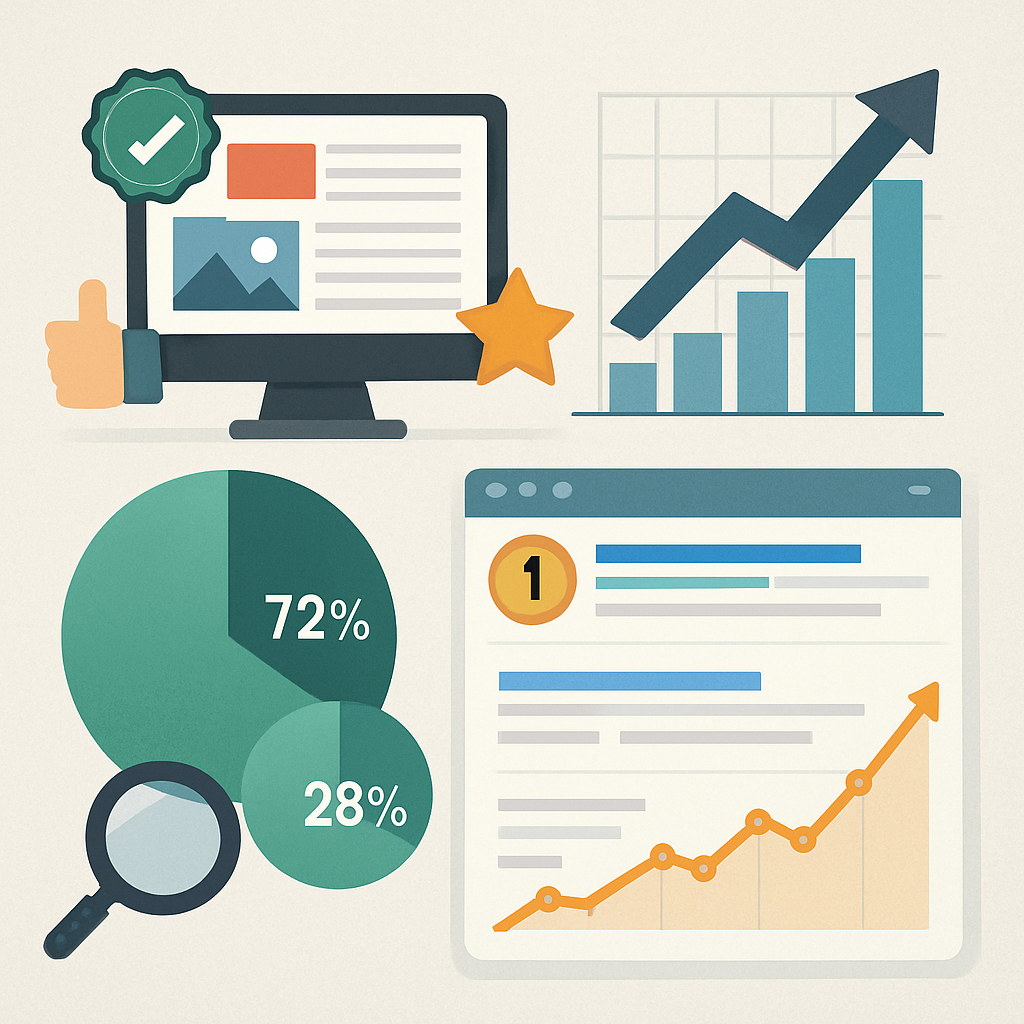
To sum it up: if you're serious about increasing search engine ranking, prioritize quality over quantity. Audit your existing content and ask yourself—does this provide real value? If not, it's time for an upgrade!
If you think search engines are just looking for keywords, think again! In fact, Google has stated that content quality is one of the top three ranking factors. That’s right—quality reigns supreme in the digital realm.
Imagine a local coffee shop that prides itself on brewing the best organic coffee in town. They have a cozy atmosphere and friendly staff, but their website is a hot mess—cluttered design, outdated information, and zero engaging content. How likely are you to choose them over a sleek competitor with an enticing online presence? Spoiler alert: not very likely!
Why Quality Content Matters
Quality content isn’t just some buzzword thrown around by SEO enthusiasts; it’s the backbone of any successful online strategy. It’s about providing value to your audience—whether that’s through informative blog posts, engaging videos, or eye-catching infographics.
Think about it: when was the last time you shared an article that was poorly written or didn’t offer any real insights? Exactly. Quality content encourages sharing and backlinks, which are both critical for boosting your authority in search engines.
- High-quality content can lead to increased dwell time on your site.
- Engaging articles often result in higher share rates on social media.
- Valuable resources attract backlinks from other authoritative sites.
Common Misconceptions About Content Quality
More is better is a myth that needs busting. While having a volume of content can help fill out your site, it won’t do much if it’s not resonating with users or providing real value. A single well-researched article can outperform ten poorly written ones every time.
Keyword stuffing is another outdated practice that can actually hurt your rankings. Search engines have become increasingly sophisticated in recognizing natural language and context; they prefer meaningful engagement over keyword density.
Crafting Quality Content
Creating high-quality content isn't rocket science but does require intentionality. Start by understanding your audience's pain points and interests. Use tools like surveys or social media polls to gather insights directly from them.
Once you know what they want, create comprehensive guides, how-tos, or thought leadership pieces that address those needs. Don’t forget to incorporate visuals like images or videos—they make content more digestible and engaging!
Remember: great content doesn't just inform; it entertains and inspires action!
To sum it up: if you're serious about increasing search engine ranking, prioritize quality over quantity. Audit your existing content and ask yourself—does this provide real value? If not, it's time for an upgrade!
Technical SEO Enhancements
If your website were a car, technical SEO would be the engine—without it, you’re not going anywhere fast. A staggering 40% of users abandon a webpage that takes more than three seconds to load. That’s like losing half your audience before they even get to see what you’ve got to offer!
Site Speed: The Need for Speed
Site speed isn’t just a nice-to-have; it’s crucial for increasing search engine ranking. Search engines like Google prioritize fast-loading sites because they enhance user experience. Think about it: would you stick around a site that feels like molasses? Nope! To keep visitors engaged, aim for a loading time under three seconds.
- Optimize images by compressing them without losing quality.
- Minimize HTTP requests by reducing the number of elements on your page.
- Leverage browser caching to store frequently accessed files locally.
Mobile Optimization: Going Beyond Responsive Design
Mobile-first indexing is no longer just industry jargon; it’s the reality we live in. Google predominantly uses the mobile version of your site for ranking and indexing. So, if your mobile experience is subpar, you’re practically waving goodbye to potential traffic.
A mobile-friendly website can increase organic traffic by up to 50%!
- Ensure touch elements are adequately spaced to prevent misclicks.
- Use readable font sizes—no one wants to squint at tiny text!
- Test your site on multiple devices and browsers for consistency.
HTTPS: Security Matters
Not secure warnings can send users running faster than a cheetah on caffeine! Switching from HTTP to HTTPS not only secures user data but also gives you an edge in search rankings. Google has confirmed that they favor secure sites—so why risk it?
To make the switch, obtain an SSL certificate and configure your server correctly. It might seem daunting, but think of it as upgrading from a bicycle lock to Fort Knox security.
Structured Data: The Secret Sauce
Structured data is like giving search engines a cheat sheet about your content. By using schema markup, you can help search engines understand what your pages are about and potentially earn rich snippets in search results—those eye-catching bits that make your listing stand out.
- Use Google's Structured Data Markup Helper to get started.
- Regularly test your markup with Google's Rich Results Test tool.
- Keep up with updates on schema types relevant to your industry.
Rich snippets can increase click-through rates by up to 30%! That's free advertising.
In conclusion, neglecting technical SEO is like ignoring the foundation of a house—it might look great on the outside, but eventually, everything will come crashing down. Start auditing these areas today and see how quickly you can increase search engine ranking!
If your website were a car, technical SEO would be the engine—without it, you’re not going anywhere fast. A staggering 40% of users abandon a webpage that takes more than three seconds to load. That’s like losing half your audience before they even get to see what you’ve got to offer!
Site Speed: The Need for Speed
Site speed isn’t just a nice-to-have; it’s crucial for increasing search engine ranking. Search engines like Google prioritize fast-loading sites because they enhance user experience. Think about it: would you stick around a site that feels like molasses? Nope! To keep visitors engaged, aim for a loading time under three seconds.
- Optimize images by compressing them without losing quality.
- Minimize HTTP requests by reducing the number of elements on your page.
- Leverage browser caching to store frequently accessed files locally.
Mobile Optimization: Going Beyond Responsive Design
Mobile-first indexing is no longer just industry jargon; it’s the reality we live in. Google predominantly uses the mobile version of your site for ranking and indexing. So, if your mobile experience is subpar, you’re practically waving goodbye to potential traffic.
A mobile-friendly website can increase organic traffic by up to 50%!
- Ensure touch elements are adequately spaced to prevent misclicks.
- Use readable font sizes—no one wants to squint at tiny text!
- Test your site on multiple devices and browsers for consistency.
HTTPS: Security Matters
Not secure warnings can send users running faster than a cheetah on caffeine! Switching from HTTP to HTTPS not only secures user data but also gives you an edge in search rankings. Google has confirmed that they favor secure sites—so why risk it?
To make the switch, obtain an SSL certificate and configure your server correctly. It might seem daunting, but think of it as upgrading from a bicycle lock to Fort Knox security.
Structured Data: The Secret Sauce
Structured data is like giving search engines a cheat sheet about your content. By using schema markup, you can help search engines understand what your pages are about and potentially earn rich snippets in search results—those eye-catching bits that make your listing stand out.
- Use Google's Structured Data Markup Helper to get started.
- Regularly test your markup with Google's Rich Results Test tool.
- Keep up with updates on schema types relevant to your industry.
Rich snippets can increase click-through rates by up to 30%! That's free advertising.
In conclusion, neglecting technical SEO is like ignoring the foundation of a house—it might look great on the outside, but eventually, everything will come crashing down. Start auditing these areas today and see how quickly you can increase search engine ranking!
Off-Page Factors Impacting Search Rankings
If you think on-page SEO is the end-all-be-all, think again! Off-page factors are like the social butterflies of the SEO world—they're out there mingling and making connections that can seriously boost your search engine ranking. Did you know that about 50% of ranking factors are based on off-page elements? That's not just a small detail; it's a game changer!
The Power of Backlinks
Backlinks are the lifeblood of off-page SEO. Think of them as votes of confidence from other websites. The more high-quality backlinks you have, the more credible your site appears to search engines. But beware—just like in real life, not all votes are created equal! A single backlink from a reputable site can be worth more than dozens from low-quality sources.
- Focus on acquiring backlinks from authoritative sites in your niche.
- Guest posting on relevant blogs can be a great way to build links.
- Avoid link farms or low-quality directories—they can harm your rankings.
Social Signals: The Buzz You Can't Ignore
Social media might seem like just a fun distraction, but it plays a significant role in off-page SEO. When your content gets shared, liked, or commented on, it sends positive signals to search engines that people find your content valuable. This buzz can lead to more visibility and traffic, creating a virtuous cycle that helps increase search engine ranking.
Engagement on social media platforms can indirectly influence your search rankings by driving traffic and generating backlinks.
Online Reputation Management
Your online reputation is everything. Negative reviews or mentions can tarnish your credibility faster than you can say SEO. It's essential to monitor what people are saying about you online and address any negative feedback promptly. A strong reputation not only helps retain customers but also positively influences how search engines perceive your site.
In summary, while on-page tactics are crucial for increasing search engine ranking, don’t underestimate the power of off-page factors. Building quality backlinks, engaging with audiences on social media, and maintaining a stellar online reputation will create a well-rounded strategy that propels you up those SERPs. So get out there and start networking—your website’s future depends on it!
If you think on-page SEO is the end-all-be-all, think again! Off-page factors are like the social butterflies of the SEO world—they're out there mingling and making connections that can seriously boost your search engine ranking. Did you know that about 50% of ranking factors are based on off-page elements? That's not just a small detail; it's a game changer!
The Power of Backlinks
Backlinks are the lifeblood of off-page SEO. Think of them as votes of confidence from other websites. The more high-quality backlinks you have, the more credible your site appears to search engines. But beware—just like in real life, not all votes are created equal! A single backlink from a reputable site can be worth more than dozens from low-quality sources.
- Focus on acquiring backlinks from authoritative sites in your niche.
- Guest posting on relevant blogs can be a great way to build links.
- Avoid link farms or low-quality directories—they can harm your rankings.
Social Signals: The Buzz You Can't Ignore
Social media might seem like just a fun distraction, but it plays a significant role in off-page SEO. When your content gets shared, liked, or commented on, it sends positive signals to search engines that people find your content valuable. This buzz can lead to more visibility and traffic, creating a virtuous cycle that helps increase search engine ranking.
Engagement on social media platforms can indirectly influence your search rankings by driving traffic and generating backlinks.
Online Reputation Management
Your online reputation is everything. Negative reviews or mentions can tarnish your credibility faster than you can say SEO. It's essential to monitor what people are saying about you online and address any negative feedback promptly. A strong reputation not only helps retain customers but also positively influences how search engines perceive your site.
In summary, while on-page tactics are crucial for increasing search engine ranking, don’t underestimate the power of off-page factors. Building quality backlinks, engaging with audiences on social media, and maintaining a stellar online reputation will create a well-rounded strategy that propels you up those SERPs. So get out there and start networking—your website’s future depends on it!
Local SEO Tactics for Geographical Relevance
If you think your local bakery can thrive without a solid online presence, think again! A staggering 46% of all Google searches are looking for local information. That means if you’re not optimizing your site for local SEO, you’re practically invisible to half of your potential customers.
Claim Your Google My Business Listing
First things first—claiming and optimizing your Google My Business (GMB) listing is non-negotiable. This free tool allows you to control how your business appears in search results and on Google Maps. It’s like putting up a neon sign that says, Hey, we’re here!
- Ensure all information is accurate: name, address, phone number (NAP).
- Add high-quality images of your products or services.
- Encourage happy customers to leave positive reviews.
Businesses with complete GMB listings can see up to 70% more clicks!
Utilize Local Keywords
Best pizza in Brooklyn isn’t just a phrase; it’s a goldmine for local SEO. Incorporating location-specific keywords into your website content can significantly increase your chances of appearing in search results when users look for services in their area.
- Near me searches are skyrocketing—incorporate this phrase into your content.
- City name + service combinations work wonders (e.g., plumber in San Diego).
- Neighborhood-specific keywords help target even more localized traffic.
NAP Consistency Across Platforms
NAP stands for Name, Address, and Phone number—a trifecta that needs to be consistent across all platforms. Inconsistent information can confuse search engines and potential customers alike. It’s like sending mixed signals on a first date; no one knows what to believe!
When it comes down to it, increasing search engine ranking locally is about making sure you're not just another face in the crowd. By implementing these local SEO tactics, you’ll ensure that when someone searches for services or products like yours nearby, they find YOU—loud and clear!
If you think your local bakery can thrive without a solid online presence, think again! A staggering 46% of all Google searches are looking for local information. That means if you’re not optimizing your site for local SEO, you’re practically invisible to half of your potential customers.
Claim Your Google My Business Listing
First things first—claiming and optimizing your Google My Business (GMB) listing is non-negotiable. This free tool allows you to control how your business appears in search results and on Google Maps. It’s like putting up a neon sign that says, Hey, we’re here!
- Ensure all information is accurate: name, address, phone number (NAP).
- Add high-quality images of your products or services.
- Encourage happy customers to leave positive reviews.
Businesses with complete GMB listings can see up to 70% more clicks!
Utilize Local Keywords
Best pizza in Brooklyn isn’t just a phrase; it’s a goldmine for local SEO. Incorporating location-specific keywords into your website content can significantly increase your chances of appearing in search results when users look for services in their area.
- Near me searches are skyrocketing—incorporate this phrase into your content.
- City name + service combinations work wonders (e.g., plumber in San Diego).
- Neighborhood-specific keywords help target even more localized traffic.
NAP Consistency Across Platforms
NAP stands for Name, Address, and Phone number—a trifecta that needs to be consistent across all platforms. Inconsistent information can confuse search engines and potential customers alike. It’s like sending mixed signals on a first date; no one knows what to believe!
When it comes down to it, increasing search engine ranking locally is about making sure you're not just another face in the crowd. By implementing these local SEO tactics, you’ll ensure that when someone searches for services or products like yours nearby, they find YOU—loud and clear!
Monitoring and Analyzing SEO Performance
If you think you can just set your SEO strategy and forget about it, you're in for a rude awakening! A staggering 70% of marketers say that measuring their SEO performance is essential, yet many still overlook the importance of continuous monitoring. Think about it: would you drive a car without checking the fuel gauge? Exactly!
Monitoring your SEO performance is like keeping an eye on your favorite sports team. You need to know how they’re performing week after week, not just at the end of the season. Are they scoring goals (traffic), making assists (backlinks), or are they stuck in a defensive position (poor rankings)? Without regular analysis, you might miss out on crucial opportunities to adjust your game plan.
Key Metrics to Track
To effectively increase search engine ranking, focus on these key metrics:
- Organic Traffic: The number of visitors coming from search engines.
- Bounce Rate: The percentage of visitors who leave after viewing only one page.
- Conversion Rate: The percentage of visitors who complete a desired action (like signing up or making a purchase).
- Keyword Rankings: Where your target keywords rank in search results.
- Backlink Profile: The quality and quantity of backlinks pointing to your site.
Tools for Monitoring
So what tools should I use? I hear you ask! Here are some top contenders that can help you keep track of your SEO performance:
- Google Analytics: This classic tool tracks organic traffic and user behavior.
- SEMrush: Great for keyword tracking and competitor analysis.
- Ahrefs: Excellent for backlink analysis and keyword research.
- Google Search Console: Monitors website health and indexing status.
Regularly reviewing these metrics will help you make informed decisions that can significantly boost your search engine ranking!
'Analyzing Data for Actionable Insights
Collecting data is only half the battle; analyzing it effectively is where the magic happens. For example, if you notice a spike in traffic but low conversion rates, it could indicate that while people are finding you, they're not finding what they expect once they arrive. This might be a sign to optimize landing pages or improve content relevance.
Finally, set up regular reporting intervals—weekly or monthly—so you're consistently aware of how well you're doing. This way, you'll be able to pivot strategies when necessary rather than waiting until it's too late.
In conclusion, monitoring and analyzing SEO performance isn't just busywork—it's essential for increasing search engine ranking. By keeping tabs on key metrics and utilizing the right tools, you’ll be well-equipped to make informed decisions that propel your online presence forward. So get ready to roll up those sleeves; it's time to dive into the data!
If you think you can just set your SEO strategy and forget about it, you're in for a rude awakening! A staggering 70% of marketers say that measuring their SEO performance is essential, yet many still overlook the importance of continuous monitoring. Think about it: would you drive a car without checking the fuel gauge? Exactly!
Monitoring your SEO performance is like keeping an eye on your favorite sports team. You need to know how they’re performing week after week, not just at the end of the season. Are they scoring goals (traffic), making assists (backlinks), or are they stuck in a defensive position (poor rankings)? Without regular analysis, you might miss out on crucial opportunities to adjust your game plan.
Key Metrics to Track
To effectively increase search engine ranking, focus on these key metrics:
- Organic Traffic: The number of visitors coming from search engines.
- Bounce Rate: The percentage of visitors who leave after viewing only one page.
- Conversion Rate: The percentage of visitors who complete a desired action (like signing up or making a purchase).
- Keyword Rankings: Where your target keywords rank in search results.
- Backlink Profile: The quality and quantity of backlinks pointing to your site.
Tools for Monitoring
So what tools should I use? I hear you ask! Here are some top contenders that can help you keep track of your SEO performance:
- Google Analytics: This classic tool tracks organic traffic and user behavior.
- SEMrush: Great for keyword tracking and competitor analysis.
- Ahrefs: Excellent for backlink analysis and keyword research.
- Google Search Console: Monitors website health and indexing status.
Regularly reviewing these metrics will help you make informed decisions that can significantly boost your search engine ranking!
'Analyzing Data for Actionable Insights
Collecting data is only half the battle; analyzing it effectively is where the magic happens. For example, if you notice a spike in traffic but low conversion rates, it could indicate that while people are finding you, they're not finding what they expect once they arrive. This might be a sign to optimize landing pages or improve content relevance.
Finally, set up regular reporting intervals—weekly or monthly—so you're consistently aware of how well you're doing. This way, you'll be able to pivot strategies when necessary rather than waiting until it's too late.
In conclusion, monitoring and analyzing SEO performance isn't just busywork—it's essential for increasing search engine ranking. By keeping tabs on key metrics and utilizing the right tools, you’ll be well-equipped to make informed decisions that propel your online presence forward. So get ready to roll up those sleeves; it's time to dive into the data!
Future-Proofing Your SEO Strategy
The digital landscape is changing faster than a toddler’s mood at nap time. If you think your current SEO strategy will carry you through the next decade, think again! With Google constantly updating its algorithms—over 4,000 times a year, in fact—what worked yesterday might not work tomorrow.
Consider a local gym that invested heavily in keyword stuffing and backlink schemes. Initially, they saw their traffic soar, but as Google tightened its grip on quality content and user experience, their rankings plummeted. They were left scrambling to salvage their online presence while competitors who focused on sustainable practices thrived.
Embrace E-A-T Principles
E-A-T stands for Expertise, Authoritativeness, and Trustworthiness. These elements are essential for increasing search engine ranking in today’s algorithmic world. If your content lacks credible sources or fails to showcase expertise, you’re essentially sending search engines a message that says, Hey, I’m just not that reliable!
- Cite reputable sources to back up claims.
- Showcase author bios with credentials.
- Encourage customer reviews and testimonials.
Stay Ahead of Voice Search
Hey Siri, what’s the best Italian restaurant nearby? Voice search is rapidly gaining traction and fundamentally changing the way people search online. To stay relevant, optimize your content for conversational queries and long-tail keywords.
By 2025, it’s estimated that 75% of households will have smart speakers.
Mobile-First is Non-Negotiable
Mobile-first indexing isn’t just a buzzword; it’s how Google rolls now. If your website isn’t mobile-friendly, consider it like showing up to a black-tie event in flip-flops—totally out of place! Ensure your site is responsive and provides an excellent user experience on all devices.
- Optimize images for faster loading times.
- Ensure easy navigation with thumb-friendly buttons.
Proactive adaptation is key: regularly audit your SEO strategy to keep pace with changes!
To wrap things up: future-proofing your SEO strategy isn’t just about keeping up—it’s about staying ahead. Regularly assess your tactics against emerging trends and algorithm updates. Your goal should be to create high-quality content that resonates with users while adhering to best practices. So grab those analytics tools and get ready to adapt; the future of your online presence depends on it!
The digital landscape is changing faster than a toddler’s mood at nap time. If you think your current SEO strategy will carry you through the next decade, think again! With Google constantly updating its algorithms—over 4,000 times a year, in fact—what worked yesterday might not work tomorrow.
Consider a local gym that invested heavily in keyword stuffing and backlink schemes. Initially, they saw their traffic soar, but as Google tightened its grip on quality content and user experience, their rankings plummeted. They were left scrambling to salvage their online presence while competitors who focused on sustainable practices thrived.
Embrace E-A-T Principles
E-A-T stands for Expertise, Authoritativeness, and Trustworthiness. These elements are essential for increasing search engine ranking in today’s algorithmic world. If your content lacks credible sources or fails to showcase expertise, you’re essentially sending search engines a message that says, Hey, I’m just not that reliable!
- Cite reputable sources to back up claims.
- Showcase author bios with credentials.
- Encourage customer reviews and testimonials.
Stay Ahead of Voice Search
Hey Siri, what’s the best Italian restaurant nearby? Voice search is rapidly gaining traction and fundamentally changing the way people search online. To stay relevant, optimize your content for conversational queries and long-tail keywords.
By 2025, it’s estimated that 75% of households will have smart speakers.
Mobile-First is Non-Negotiable
Mobile-first indexing isn’t just a buzzword; it’s how Google rolls now. If your website isn’t mobile-friendly, consider it like showing up to a black-tie event in flip-flops—totally out of place! Ensure your site is responsive and provides an excellent user experience on all devices.
- Optimize images for faster loading times.
- Ensure easy navigation with thumb-friendly buttons.
Proactive adaptation is key: regularly audit your SEO strategy to keep pace with changes!
To wrap things up: future-proofing your SEO strategy isn’t just about keeping up—it’s about staying ahead. Regularly assess your tactics against emerging trends and algorithm updates. Your goal should be to create high-quality content that resonates with users while adhering to best practices. So grab those analytics tools and get ready to adapt; the future of your online presence depends on it!