










Table of Contents
- 1 10 Proven Strategies to Improve Your Search Engine Rankings
- 1.1 Introduction
- 1.2 Understanding SEO Optimization
- 1.3 On-Page SEO Strategies
- 1.4 Off-Page SEO Tactics
- 1.5 Keyword Research Tools and Techniques
- 1.6 Content Marketing for SEO Success
- 1.7 The Role of Technical SEO in Rankings
- 1.8 The Importance of Local SEO Practices
- 1.9 Monitoring and Adapting to Google Algorithm Updates Conclusion Frequently Asked Questions
10 Proven Strategies to Improve Your Search Engine Rankings
Introduction
Welcome to the digital jungle, where every click counts and your website’s visibility is the key to survival! If you’ve ever wondered how to improve search engine ranking, you’re not alone. In fact, mastering this art is crucial for anyone looking to boost website visibility and increase organic traffic.
Did you know that the top three organic search results receive nearly 50% of all clicks? That’s right! If your site isn’t ranking high, you’re missing out on a goldmine of potential visitors. But fear not this blog post is here to guide you through 10 proven strategies that will help you climb the search engine ladder.
From on-page SEO strategies that polish your content like a diamond to off-page tactics that build backlinks faster than a cat meme goes viral, we’ve got it all covered. Whether you’re looking to enhance SERP position or just want some solid search engine optimization tips, you’ll find actionable insights right here.
Remember: SEO isn’t just a one-time task; it’s an ongoing journey. With Google algorithm updates constantly reshaping the landscape, staying informed and adaptable is key to keeping your ranking high. So grab your favorite caffeinated beverage (or tea if that’s your jam) and let’s dive into these strategies!

Understanding SEO Optimization
Alright, let’s dive into the whimsical world of SEO optimization. Imagine you’re throwing a party and you want everyone to come. You’d probably send out invitations, decorate your place, and maybe even bake some cookies. Well, SEO optimization is like throwing that party but for your website! It’s all about making sure search engines like Google can find you and think you’re the coolest kid on the block.
To improve search engine ranking, you need to understand how search engines work. They use complex algorithms think of them as secret recipes to determine which websites get to sit at the top of the results page. The better your website follows these recipes, the more likely it is to boost website visibility and attract visitors.
Key Takeaway: A well-optimized website not only ranks higher but also increases organic traffic, leading to more potential customers!
The Core Components of SEO Optimization
- On-Page SEO Strategies: This includes things like title tag optimization and effective meta descriptions. It’s all about what’s happening on your actual web pages.
- Off-Page SEO Tactics: Think of this as building your reputation outside of your website like getting backlinks from other sites or leveraging social media influence on SEO.
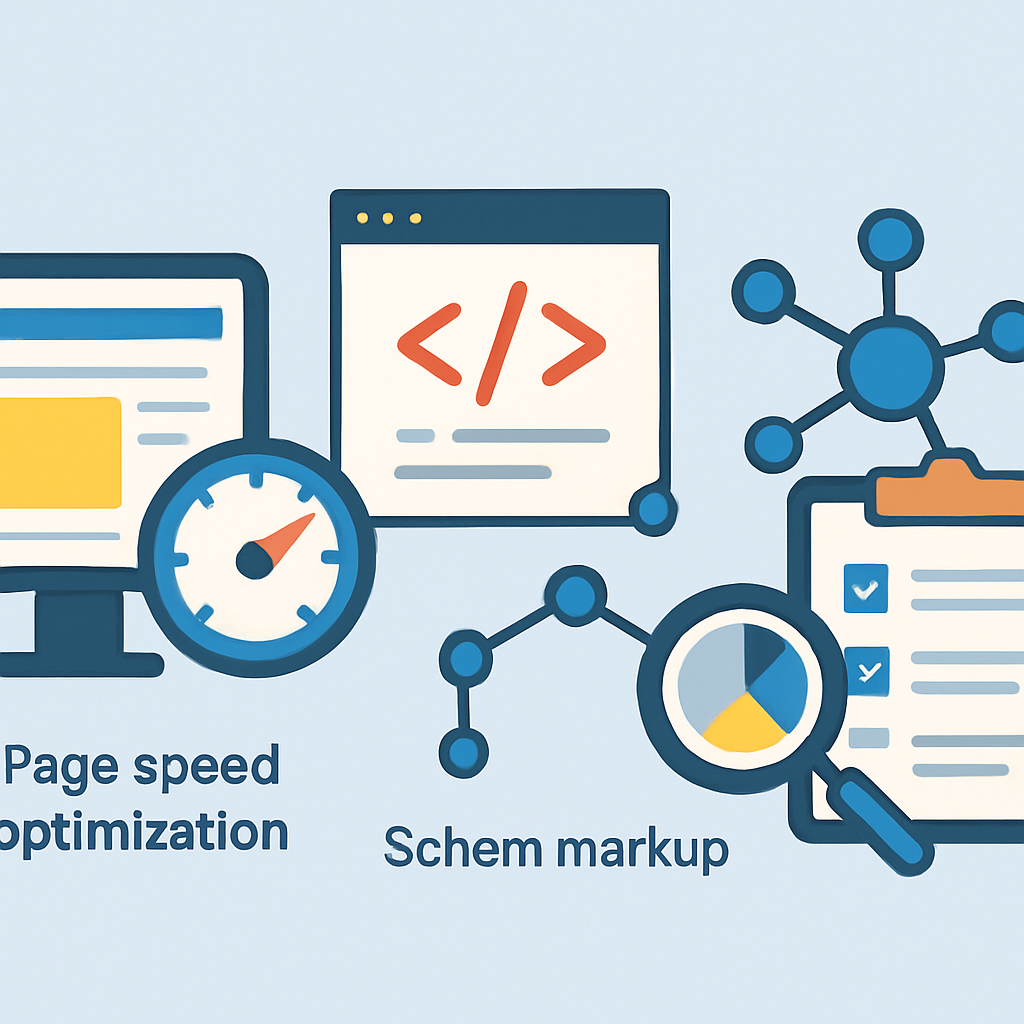
- Technical SEO: This involves ensuring your site runs smoothly under the hood like schema markup implementation and page speed optimization.
- User Experience Improvement for SEO: If your site is a joy to navigate, people will stick around longer, reducing bounce rates and improving rankings.
Mistakes to Avoid in Your SEO Journey
No one wants to be that person at the party who spills punch all over their favorite shirt. Similarly, in SEO, there are common pitfalls you should steer clear of:
- Poor Keyword Research: Not using keyword research tools effectively can lead you astray. Make sure you know what people are searching for!
- Ineffective Content Creation: Quality content creation for ranking is essential. Don’t just fluff up articles with keywords; make them valuable!
- Ignoring Mobile Optimization: With so many users browsing on mobile devices, a mobile-friendly website design is crucial for keeping visitors engaged.
The Future of SEO Optimization
The landscape of search engine optimization is always changing. With each Google algorithm update (which happen more frequently than you’d think), strategies can shift overnight! Staying informed about these updates and adapting your tactics accordingly will keep you ahead in the game.
If you’re serious about wanting to rank higher on Google and improve website ranking overall, remember: it’s not just about following trends but mastering them. So roll up those sleeves and get ready to optimize!
On-Page SEO Strategies
When it comes to improving search engine ranking, on-page SEO strategies are your best friends. Think of them as the sprinkles on your cupcake they make everything a bit sweeter and more appealing to both users and search engines. Here’s how you can leverage these strategies to boost website visibility and enhance your SERP position.
Title Tag Optimization
Your title tag is like the headline of a newspaper article it needs to grab attention while accurately reflecting the content. Aim for a compelling title that includes your primary keyword, “improve search engine ranking.” Keep it under 60 characters to ensure it displays fully in search results.
Effective Meta Descriptions
Meta descriptions are your elevator pitch in the search results. They should be enticing enough to make users click through but also contain relevant keywords. A well-crafted meta description can significantly improve CTR in search results pages (SERPs). Aim for around 155 characters, and don’t forget to include a call-to-action!
Alt Text for Images SEO
Images are not just pretty faces; they can also help improve website ranking! Using alt text effectively provides context for search engines and improves accessibility for users with visual impairments. Describe the image clearly while incorporating relevant keywords where appropriate.
Internal Linking Structure Enhancement
Consider your internal linking structure as the roadmap for both users and search engines navigating through your site. A well-structured internal link strategy helps distribute page authority throughout your site, which can enhance overall rankings. Use descriptive anchor texts that include keywords, guiding visitors to related content.
Remember: While these tactics are essential, they should be part of a broader SEO strategy that includes off-page tactics and continuous monitoring of Google algorithm updates.

Off-Page SEO Tactics
So, you’ve nailed your on-page SEO strategies, and your website is looking sharp. But wait! The digital world is vast, and just like a lone wolf howling at the moon, your site needs friends to thrive. This is where off-page SEO tactics come into play. These strategies are all about building your website’s reputation and authority beyond its own pages. Let’s dive into the essentials!
Backlink Building Strategies
Backlinks are like votes of confidence from other websites. The more quality backlinks you have, the more likely you are to improve search engine ranking. But not all backlinks are created equal! Here’s how to build them effectively:
- Guest Blogging: Write for reputable sites in your niche. It’s a win-win you get a backlink and they get fresh content!
- Resource Pages: Find pages that list resources related to your industry and pitch your content as an addition.
- Broken Link Building: Use tools to find broken links on authoritative sites, then suggest your content as a replacement.
Social Media Influence on SEO
Your social media presence can significantly impact your site’s visibility. While social signals aren’t direct ranking factors, they can drive traffic and increase brand awareness:
- Create Shareable Content: Infographics, videos, and engaging posts can lead to shares that boost visibility.
- Engage with Followers: Responding to comments and messages builds community and encourages sharing.
- Utilize Paid Advertising: Consider using ads on platforms like Facebook or Instagram to target specific audiences.
Competitor Analysis for SEO Strategy
Your competitors aren’t just rivals; they’re also a goldmine of information! Analyzing their strategies can help you uncover ways to enhance your own:
- Audit Their Backlinks: Use tools like Ahrefs or SEMrush to see where their backlinks come from and aim for similar opportunities!
- Content Gaps: Identify topics they cover that you don’t, then create high-quality content around those gaps.
- User Engagement Metrics: Look at their social media engagement or comments section to gauge what resonates with audiences.
If you’re serious about improving your site’s authority and visibility, these off-page SEO tactics will be game-changers. Start implementing them today, and watch as your efforts translate into better search rankings!
Keyword Research Tools and Techniques
So, you want to improve your search engine ranking? Well, the first step is diving into the treasure chest of keyword research tools and techniques! Think of keywords as the breadcrumbs that lead users to your digital wonderland. The right keywords can help you boost website visibility, increase organic traffic, and enhance your SERP position.
Here’s a fun fact: using long-tail keywords can be a game-changer. Instead of targeting broad terms like “shoes,” consider something more specific like “best running shoes for flat feet.” Not only do long-tail keywords have less competition, but they also attract more qualified traffic. Let’s explore some tools and techniques to help you find those golden nuggets!
- Keyword Research Tools: Tools like Google Keyword Planner, Ahrefs, and SEMrush are your best friends here. They provide insights into keyword volume, competition, and related terms that can help you craft a strategy that makes sense.
- Analyze Competitors: Peek into what keywords your competitors are ranking for. This can unveil gaps in your own strategy and reveal opportunities to rank higher on Google.
- User Intent Analysis: Understanding why users search for specific terms is crucial. Are they looking to buy? Learn? Compare? Tailoring your content to match user intent can significantly improve website ranking.
Key Takeaway: Combining keyword research with an understanding of user intent is essential for effective SEO optimization. This approach not only helps in selecting the right keywords but also ensures that the content resonates with what users are actually looking for.
Common Mistakes to Avoid
Diving headfirst into keyword research without a plan can lead to some common pitfalls:
- Focusing Solely on High-Volume Keywords: While it’s tempting to chase after those juicy high-volume keywords, don’t forget about relevance! Sometimes lower-volume keywords can lead to better conversions.
- Ineffective Use of Keywords: Overstuffing content with keywords might seem like a good idea at first, but it can hurt your rankings instead. Aim for a natural flow while keeping an eye on keyword density best practices.
- Narrowing Your Focus Too Much: If you limit yourself to just one or two keywords per page, you might miss out on related searches that could bring in additional traffic.
The Future of Keyword Research
The landscape of SEO is always evolving thanks in part to Google algorithm updates. As voice search becomes more prevalent, optimizing for conversational queries will be key. This means thinking about how people naturally speak rather than just type consider phrases like “best pizza near me” instead of just “pizza.”

Content Marketing for SEO Success
When it comes to improving search engine ranking, content marketing is like the secret sauce that makes everything taste better. Think of it as the peanut butter to your SEO jelly indispensable and deliciously effective!
Creating quality content isn’t just about filling up space on your website; it’s about crafting engaging pieces that resonate with your audience and keep them coming back for more. Here’s how you can leverage content marketing to boost website visibility and increase organic traffic:
- Quality Content Creation for Ranking: Aim for content that answers questions, solves problems, or entertains. High-quality articles, infographics, and guides not only enhance user experience but also improve domain authority. Remember, Google loves valuable content!
- Video Content Impact on Search Ranking: Did you know that including video on your site can increase the chances of a front-page Google result by 53 times? Videos are engaging and shareable use them to explain complex topics or showcase testimonials.
- Voice Search Optimization Tips: With the rise of smart speakers and voice-activated devices, optimizing for voice search is crucial. Use natural language in your content and focus on long-tail keywords that mirror how people actually speak.
Key Takeaway: Combining quality content creation with multimedia elements like videos and voice optimization strategies can significantly enhance your chances of ranking higher on Google.
A common misconception is that once you publish great content, you’re done. Not quite! Regular updates and interactions are essential to keep your audience engaged. Monitor performance using site audit tools for SEO improvement, tweak headlines for better CTR in SERPs, and don’t shy away from repurposing old posts into new formats.
To wrap it up, remember: effective content marketing isn’t just about throwing words onto a page. It’s an ongoing strategy that requires creativity, analysis, and a sprinkle of SEO magic!
The Role of Technical SEO in Rankings
When it comes to improving your search engine ranking, technical SEO is like the unsung hero of your website. It’s not the flashy content or the eye-catching graphics that steal the spotlight; it’s the behind-the-scenes magic that ensures everything runs smoothly. Think of it as the foundation of a house without a solid base, everything else could come crashing down.
So, what does technical SEO involve? Let’s break it down with some essential components:
- Technical SEO Checklist: A well-structured checklist is your best friend. It helps you identify areas needing improvement. Common items include checking for crawl errors, ensuring proper redirects, and validating your XML sitemap.
- Schema Markup Implementation: This is like giving search engines a cheat sheet about your content. By using schema markup, you can enhance your SERP position with rich snippets those eye-catching bits of information that make your listing stand out. For example, if you run a recipe site, schema can help display cooking times and ratings right in the search results.
- Page Speed Optimization and Mobile-Friendly Design: Did you know that a one-second delay in page load time can lead to a 7% reduction in conversions? That’s right! Page speed isn’t just about keeping users happy; it’s also crucial for ranking higher on Google. Plus, with mobile-first indexing now the norm, having a mobile-friendly website design is non-negotiable. If your site looks like it was designed for flip phones in 2005, you’re going to struggle to improve search engine ranking.
Pro Tip: Use site audit tools for SEO improvement to regularly check for technical issues that could hinder your rankings!
Incorporating these technical SEO techniques into your overall strategy will not only boost website visibility but also increase organic traffic significantly. Remember, while content is essential (and yes, quality content creation for ranking still reigns supreme), without robust technical foundations, even the best content might not see the light of day on Google’s first page.
The Importance of Local SEO Practices
When it comes to improving your search engine ranking, local SEO practices are like a secret sauce that can take your online presence from bland to grand. Imagine you own a cozy coffee shop in your neighborhood. Wouldn’t you want the locals to find you easily when they search for “best coffee near me”? That’s where local SEO comes into play!
Local SEO is all about optimizing your online presence to attract more business from relevant local searches. This isn’t just about putting your address on your website and calling it a day; it’s about strategically positioning yourself in the digital marketplace.
Did you know? According to Google, 76% of people who search for something nearby visit a business within a day. That’s a massive opportunity!
Boost Website Visibility with Local Listings
One of the best ways to improve search engine ranking locally is by claiming and optimizing your Google My Business listing. Fill out all the information think of it as your digital storefront! Include:
- Your business name, address, and phone number (NAP)
- Business hours
- A brief description of what you offer
- High-quality images of your products or services
Enhance SERP Position with Local Keywords
Another nifty trick in the local SEO playbook is using location-based keywords. Instead of just “coffee,” try “best coffee in [Your City].” This helps search engines understand where you’re located and whom you’re serving.
User Experience Improvement for Local Searches
Your website should be as easy to navigate as a walk through the park on a sunny day. A mobile-friendly design is crucial since many local searches happen on smartphones. Make sure:
- Your site loads quickly (nobody likes waiting)
- You have clear call-to-action buttons (like “Order Now” or “Visit Us”)
- The layout is user-friendly and visually appealing
Local Link Building Strategies
Building backlinks from local websites can significantly enhance your domain authority and improve website ranking. Consider collaborating with local bloggers or participating in community events that can lead to mentions on popular local sites.
If you want to rank higher on Google, remember: Local relevance matters! The more localized content you create, the better your chances are of attracting nearby customers.
Monitor Your Progress and Adapt
Finally, keep an eye on how well these strategies are working using site audit tools for SEO improvement. Monitor metrics like organic traffic from local searches, bounce rates, and conversion rates. If something isn’t working, tweak it until it does!
The importance of local SEO practices cannot be overstated when aiming to improve search engine ranking. They’re essential not just for visibility but also for connecting with potential customers right in your backyard.
Monitoring and Adapting to Google Algorithm Updates
Conclusion
Frequently Asked Questions

Written by
Michael TorresMichael is an SEO analyst and data nerd obsessed with rank tracking, SERP trends, and algorithm updates. He has spent the last 6 years turning search data into actionable content strategies for startups and growth-stage companies.