















Table of Contents
- 1 How to Increase SEO Performance: Proven Methods for Better Rankings
- 1.1 Advanced Keyword Research Techniques
- 1.2 On-Page Optimization Strategies
- 1.3 Content Quality and Relevance Assessment
- 1.4 Technical SEO Enhancements
- 1.5 Link Building Strategies Beyond Basics
- 1.6 User Experience (UX) as an SEO Factor
- 1.7 Local SEO Tactics for Targeted Visibility
- 1.8 Monitoring and Adapting SEO Strategies Over Time
How to Increase SEO Performance: Proven Methods for Better Rankings
Advanced Keyword Research Techniques
Let’s face it: keyword research can feel like hunting for a needle in a haystack, especially when you’re trying to figure out how to increase SEO performance. But here’s the kicker: using advanced techniques can transform that daunting task into a strategic advantage.
Did you know that 70% of all search queries are long-tail keywords? This means if you’re not targeting them, you’re missing out on a huge chunk of traffic!
Leverage Competitor Analysis
Ever thought about peeking at your competitors’ keyword strategies? It’s like getting the cheat codes for SEO success. Tools like SEMrush and Ahrefs let you analyze which keywords your competitors rank for, how much traffic they get, and even their backlink profiles. Imagine discovering that your rival is crushing it with a particular keyword — suddenly, you have a roadmap to follow!
Utilize Google’s Search Features
Google isn’t just a search engine; it’s a treasure trove of keyword insights. The ‘People Also Ask’ section is pure gold for finding related queries that users are actually searching for. By diving into these suggested questions, you can unearth long-tail keywords that are often less competitive but highly relevant to your audience.
- People Also Ask suggestions provide context around user intent.
- Related Searches at the bottom of the SERP reveal additional topics.
- Google Trends helps gauge interest over time and seasonality.
Explore Niche Forums and Communities
What should I write about? It’s the eternal question every content creator faces. Niche forums like Reddit or specialized groups on Facebook are buzzing with discussions that can inspire new content ideas. By observing what questions people are asking or what problems they’re facing, you can craft targeted content that resonates with your audience.
Search Intent is Your New Best Friend
Search intent is more than just a buzzword; it’s the backbone of effective keyword strategy. Understanding whether users intend to buy, learn, or navigate will help tailor your content accordingly. For instance, if someone searches best running shoes, they might be looking for reviews rather than sales pages. Match your content type to their intent and watch your engagement soar!
This nuanced approach not only improves user experience but also signals to search engines that you're providing valuable content — which could lead to better rankings.
So there you have it! Advanced keyword research isn’t just about crunching numbers; it’s about understanding your audience and leveraging every tool at your disposal. Start incorporating these techniques into your strategy today and watch as your SEO performance takes flight! Remember: finding the right keywords is half the battle—now go conquer the other half!
Let’s face it: keyword research can feel like hunting for a needle in a haystack, especially when you’re trying to figure out how to increase SEO performance. But here’s the kicker: using advanced techniques can transform that daunting task into a strategic advantage.
Did you know that 70% of all search queries are long-tail keywords? This means if you’re not targeting them, you’re missing out on a huge chunk of traffic!
Leverage Competitor Analysis
Ever thought about peeking at your competitors’ keyword strategies? It’s like getting the cheat codes for SEO success. Tools like SEMrush and Ahrefs let you analyze which keywords your competitors rank for, how much traffic they get, and even their backlink profiles. Imagine discovering that your rival is crushing it with a particular keyword — suddenly, you have a roadmap to follow!
Utilize Google’s Search Features
Google isn’t just a search engine; it’s a treasure trove of keyword insights. The ‘People Also Ask’ section is pure gold for finding related queries that users are actually searching for. By diving into these suggested questions, you can unearth long-tail keywords that are often less competitive but highly relevant to your audience.
- People Also Ask suggestions provide context around user intent.
- Related Searches at the bottom of the SERP reveal additional topics.
- Google Trends helps gauge interest over time and seasonality.
Explore Niche Forums and Communities
What should I write about? It’s the eternal question every content creator faces. Niche forums like Reddit or specialized groups on Facebook are buzzing with discussions that can inspire new content ideas. By observing what questions people are asking or what problems they’re facing, you can craft targeted content that resonates with your audience.
Search Intent is Your New Best Friend
Search intent is more than just a buzzword; it’s the backbone of effective keyword strategy. Understanding whether users intend to buy, learn, or navigate will help tailor your content accordingly. For instance, if someone searches best running shoes, they might be looking for reviews rather than sales pages. Match your content type to their intent and watch your engagement soar!
This nuanced approach not only improves user experience but also signals to search engines that you're providing valuable content — which could lead to better rankings.
So there you have it! Advanced keyword research isn’t just about crunching numbers; it’s about understanding your audience and leveraging every tool at your disposal. Start incorporating these techniques into your strategy today and watch as your SEO performance takes flight! Remember: finding the right keywords is half the battle—now go conquer the other half!
On-Page Optimization Strategies
Imagine pouring your heart and soul into a website, only to have it languish on page two of search results. Frustrating, right? Well, here’s the deal: on-page optimization is your golden ticket to climb those rankings and finally get the visibility you deserve.
A staggering 75% of users never scroll past the first page of search results! If you want to be seen, you need to optimize.
Mastering Title Tags and Meta Descriptions
Title tags are like the headlines of your articles; they need to be catchy yet informative. A well-crafted title tag not only grabs attention but also signals to search engines what your page is about. For instance, instead of a bland Best Coffee Makers, try Brew Like a Barista: The Top 10 Coffee Makers for Home Enthusiasts. This not only incorporates keywords but also adds intrigue.
Meta descriptions, on the other hand, are your elevator pitch in the SERPs. They should be concise (around 150-160 characters), compelling, and include your primary keyword. Think of it as a mini-ad for your content — if it doesn’t entice clicks, you’re missing out!
Header Tags: The Unsung Heroes
Header tags (H1, H2, H3) break up your content into digestible chunks. They guide readers through your article while giving search engines context about its structure. Your H1 should contain your primary keyword and represent the main topic. Subsequent headers (H2s and H3s) should incorporate related keywords or phrases that enhance relevance.
- Use only one H1 per page.
- Include keywords naturally in H2s and H3s.
- Keep headers clear and relevant to the content that follows.
Alt Text for Images: More Than Just Pretty Pictures
Alt text serves two crucial purposes: it describes images for visually impaired users and helps search engines understand what’s in those images. When optimizing images, don’t just use generic terms like image1.jpg; instead, opt for descriptive filenames like best-coffee-maker-brewing.jpg with appropriate alt text such as A high-quality coffee maker brewing fresh coffee. This small step can improve both accessibility and SEO.
Content is Still King — But Context is Queen
Content is king might be an overused phrase in SEO circles, but let’s face it — it’s true! However, context matters just as much as content. Aim for comprehensive articles that answer user queries thoroughly while maintaining readability. Use bullet points or numbered lists where applicable to enhance skimmability.
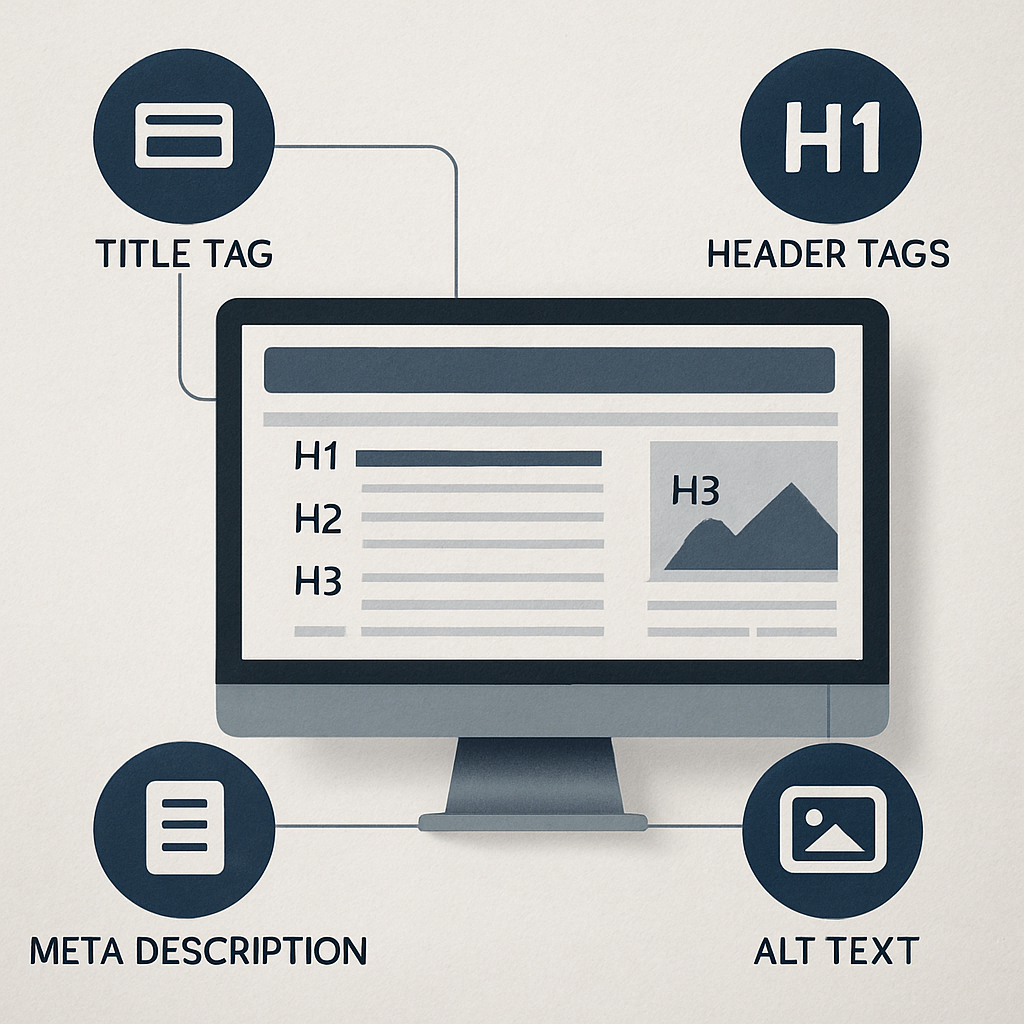
In summary, mastering on-page optimization strategies isn’t just about checking boxes; it's about crafting a user-friendly experience that appeals both to visitors and search engines alike. Start implementing these tactics today — because every little detail counts when you're figuring out how to increase SEO performance!
Imagine pouring your heart and soul into a website, only to have it languish on page two of search results. Frustrating, right? Well, here’s the deal: on-page optimization is your golden ticket to climb those rankings and finally get the visibility you deserve.
A staggering 75% of users never scroll past the first page of search results! If you want to be seen, you need to optimize.
Mastering Title Tags and Meta Descriptions
Title tags are like the headlines of your articles; they need to be catchy yet informative. A well-crafted title tag not only grabs attention but also signals to search engines what your page is about. For instance, instead of a bland Best Coffee Makers, try Brew Like a Barista: The Top 10 Coffee Makers for Home Enthusiasts. This not only incorporates keywords but also adds intrigue.
Meta descriptions, on the other hand, are your elevator pitch in the SERPs. They should be concise (around 150-160 characters), compelling, and include your primary keyword. Think of it as a mini-ad for your content — if it doesn’t entice clicks, you’re missing out!
Header Tags: The Unsung Heroes
Header tags (H1, H2, H3) break up your content into digestible chunks. They guide readers through your article while giving search engines context about its structure. Your H1 should contain your primary keyword and represent the main topic. Subsequent headers (H2s and H3s) should incorporate related keywords or phrases that enhance relevance.
- Use only one H1 per page.
- Include keywords naturally in H2s and H3s.
- Keep headers clear and relevant to the content that follows.
Alt Text for Images: More Than Just Pretty Pictures
Alt text serves two crucial purposes: it describes images for visually impaired users and helps search engines understand what’s in those images. When optimizing images, don’t just use generic terms like image1.jpg; instead, opt for descriptive filenames like best-coffee-maker-brewing.jpg with appropriate alt text such as A high-quality coffee maker brewing fresh coffee. This small step can improve both accessibility and SEO.
Content is Still King — But Context is Queen
Content is king might be an overused phrase in SEO circles, but let’s face it — it’s true! However, context matters just as much as content. Aim for comprehensive articles that answer user queries thoroughly while maintaining readability. Use bullet points or numbered lists where applicable to enhance skimmability.
In summary, mastering on-page optimization strategies isn’t just about checking boxes; it's about crafting a user-friendly experience that appeals both to visitors and search engines alike. Start implementing these tactics today — because every little detail counts when you're figuring out how to increase SEO performance!
Content Quality and Relevance Assessment
Here’s a jaw-dropper: 90% of content on the web gets zero organic traffic. Yes, you read that right! If your content is languishing in obscurity, it’s time for a serious assessment of its quality and relevance.
Imagine running a trendy café with the best artisanal coffee in town, but your menu is hidden behind a wall of clutter. That’s what low-quality content feels like to search engines. If you want to learn how to increase SEO performance, it’s crucial to ensure your content not only shines but also resonates with your audience.
Why Content Quality Matters
Let’s break it down: high-quality content isn’t just about fancy words or pretty images; it’s about delivering real value. Google’s algorithm prioritizes content that answers user queries effectively. This means your articles should be informative, engaging, and tailored specifically for your target audience.
- Unique insights that reflect current trends.
- Thorough research backing your claims.
- Clear structure that guides readers effortlessly.
Assessing Relevance: The User Intent Connection
User intent might sound like SEO jargon, but it’s the key to relevance. Are users looking for quick answers? In-depth analysis? Or maybe they’re ready to buy? Aligning your content with these intents can drastically improve its performance.
Content that matches user intent is more likely to rank higher — don’t ignore this crucial link!
Take a look at a tech blog focused on smartphone reviews. If someone searches for ‘best budget smartphones,’ they expect detailed comparisons and buying guides — not just a list of specs. If your blog misses this mark, you’ll lose visitors faster than you can say ‘bounce rate.’
The E-A-T Factor: Expertise, Authoritativeness, Trustworthiness
E-A-T isn’t just an acronym; it’s the holy grail of quality content assessment. Google favors content that showcases expertise and builds trust with readers. This means citing credible sources, showcasing author credentials, and providing accurate information.
For example, if you're writing about health topics, referencing studies from reputable journals or including quotes from certified experts can enhance credibility.
Tools for Content Quality Assessment
Now that we’ve established why quality matters let’s talk tools! There are plenty of options out there aimed at helping you assess your content's effectiveness:
- Google Analytics: Track user engagement metrics.
- Grammarly: Ensure grammatical accuracy and readability.
- BuzzSumo: Analyze what types of content are performing well in your niche.
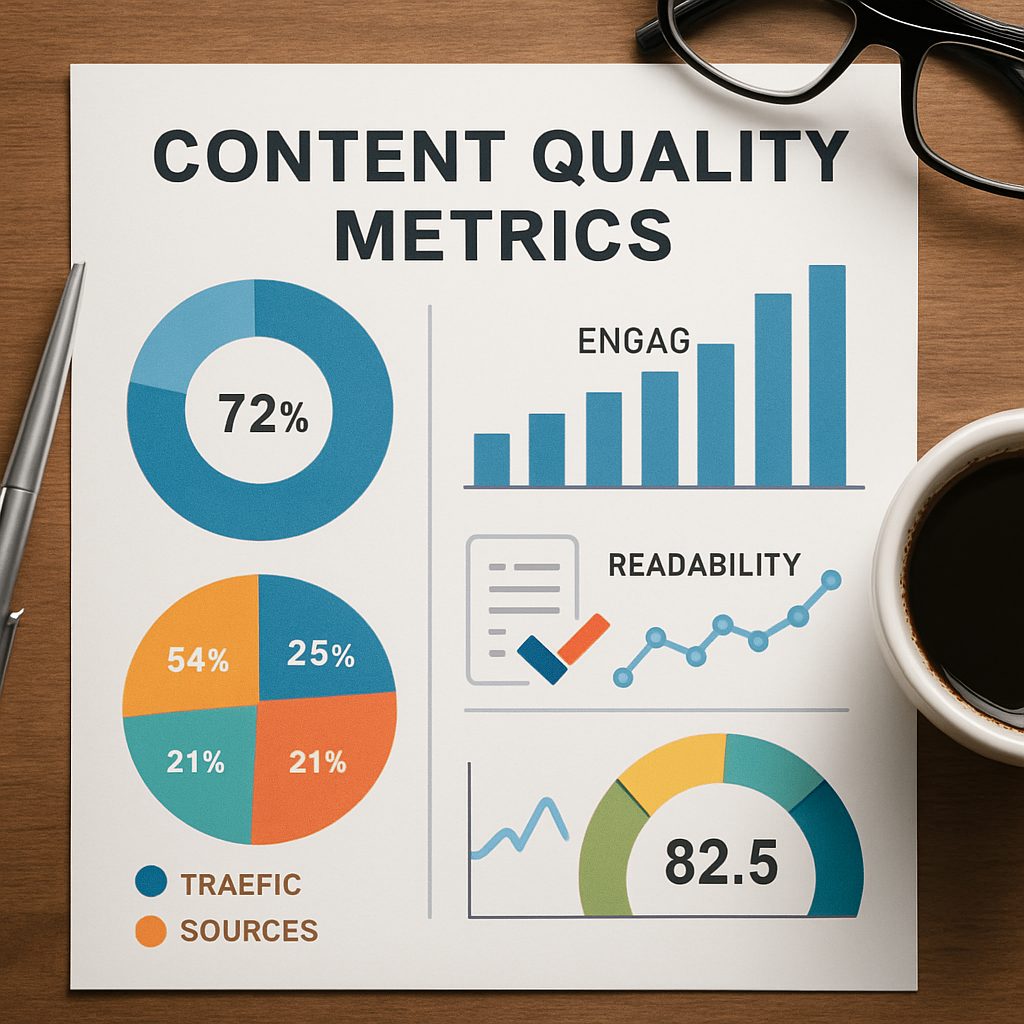
Content quality isn’t just another checkbox; it's an ongoing commitment. Regularly assess how well your pieces perform against user expectations and industry standards. The more relevant and high-quality the information you provide, the better you’ll rank — it's as simple as that!
Here’s a jaw-dropper: 90% of content on the web gets zero organic traffic. Yes, you read that right! If your content is languishing in obscurity, it’s time for a serious assessment of its quality and relevance.
Imagine running a trendy café with the best artisanal coffee in town, but your menu is hidden behind a wall of clutter. That’s what low-quality content feels like to search engines. If you want to learn how to increase SEO performance, it’s crucial to ensure your content not only shines but also resonates with your audience.
Why Content Quality Matters
Let’s break it down: high-quality content isn’t just about fancy words or pretty images; it’s about delivering real value. Google’s algorithm prioritizes content that answers user queries effectively. This means your articles should be informative, engaging, and tailored specifically for your target audience.
- Unique insights that reflect current trends.
- Thorough research backing your claims.
- Clear structure that guides readers effortlessly.
Assessing Relevance: The User Intent Connection
User intent might sound like SEO jargon, but it’s the key to relevance. Are users looking for quick answers? In-depth analysis? Or maybe they’re ready to buy? Aligning your content with these intents can drastically improve its performance.
Content that matches user intent is more likely to rank higher — don’t ignore this crucial link!
Take a look at a tech blog focused on smartphone reviews. If someone searches for ‘best budget smartphones,’ they expect detailed comparisons and buying guides — not just a list of specs. If your blog misses this mark, you’ll lose visitors faster than you can say ‘bounce rate.’
The E-A-T Factor: Expertise, Authoritativeness, Trustworthiness
E-A-T isn’t just an acronym; it’s the holy grail of quality content assessment. Google favors content that showcases expertise and builds trust with readers. This means citing credible sources, showcasing author credentials, and providing accurate information.
For example, if you're writing about health topics, referencing studies from reputable journals or including quotes from certified experts can enhance credibility.
Tools for Content Quality Assessment
Now that we’ve established why quality matters let’s talk tools! There are plenty of options out there aimed at helping you assess your content's effectiveness:
- Google Analytics: Track user engagement metrics.
- Grammarly: Ensure grammatical accuracy and readability.
- BuzzSumo: Analyze what types of content are performing well in your niche.
Content quality isn’t just another checkbox; it's an ongoing commitment. Regularly assess how well your pieces perform against user expectations and industry standards. The more relevant and high-quality the information you provide, the better you’ll rank — it's as simple as that!
Technical SEO Enhancements
Let’s get real: a website without technical SEO is like a car with no engine. You can polish the exterior all you want, but it won’t take you very far. Technical SEO is the backbone that supports your online presence, ensuring that search engines can crawl and index your site efficiently.
Did you know that 90% of web pages get zero organic traffic due to poor technical SEO? That's a staggering number!
Site Speed: The Need for Speed
Site speed isn’t just a nice-to-have; it’s a must-have. Google has made it clear: faster sites rank better. Imagine you’re trying to load a page, and it feels like watching paint dry — frustrating, right? Studies show that if your page takes longer than three seconds to load, you risk losing around 40% of your visitors. To tackle this, consider optimizing images, leveraging browser caching, and minimizing JavaScript.
- Compress images without sacrificing quality.
- Use Content Delivery Networks (CDNs) to distribute content globally.
- Minify CSS and JavaScript files to reduce their size.
Mobile Optimization: A Non-Negotiable
Mobile-first indexing is now the norm; Google predominantly uses the mobile version of your site for ranking and indexing. If your website isn’t mobile-friendly, you might as well be waving goodbye to potential traffic! Think about how often you browse on your phone — users expect seamless experiences across devices.
- [ ] Ensure responsive design that adapts to various screen sizes.
- [ ] Test usability with tools like Google's Mobile-Friendly Test.
- [ ] Optimize touch elements for easier navigation on mobile devices.
Crawlability — The Pathway for Search Engines
Crawlability might sound like a fancy term, but it boils down to whether search engines can access all the important parts of your website. If they can't crawl it, they can't rank it! Use tools like Google Search Console to identify crawl errors and fix them before they become roadblocks.
Remember: A well-structured site not only helps search engines but also enhances user experience!
Technical SEO may not have the glamor of content creation or keyword research, but neglecting it could mean sacrificing visibility in search results. So roll up those sleeves and give your website the technical TLC it deserves! Your future rankings will thank you.
Let’s get real: a website without technical SEO is like a car with no engine. You can polish the exterior all you want, but it won’t take you very far. Technical SEO is the backbone that supports your online presence, ensuring that search engines can crawl and index your site efficiently.
Did you know that 90% of web pages get zero organic traffic due to poor technical SEO? That's a staggering number!
Site Speed: The Need for Speed
Site speed isn’t just a nice-to-have; it’s a must-have. Google has made it clear: faster sites rank better. Imagine you’re trying to load a page, and it feels like watching paint dry — frustrating, right? Studies show that if your page takes longer than three seconds to load, you risk losing around 40% of your visitors. To tackle this, consider optimizing images, leveraging browser caching, and minimizing JavaScript.
- Compress images without sacrificing quality.
- Use Content Delivery Networks (CDNs) to distribute content globally.
- Minify CSS and JavaScript files to reduce their size.
Mobile Optimization: A Non-Negotiable
Mobile-first indexing is now the norm; Google predominantly uses the mobile version of your site for ranking and indexing. If your website isn’t mobile-friendly, you might as well be waving goodbye to potential traffic! Think about how often you browse on your phone — users expect seamless experiences across devices.
- [ ] Ensure responsive design that adapts to various screen sizes.
- [ ] Test usability with tools like Google's Mobile-Friendly Test.
- [ ] Optimize touch elements for easier navigation on mobile devices.
Crawlability — The Pathway for Search Engines
Crawlability might sound like a fancy term, but it boils down to whether search engines can access all the important parts of your website. If they can't crawl it, they can't rank it! Use tools like Google Search Console to identify crawl errors and fix them before they become roadblocks.
Remember: A well-structured site not only helps search engines but also enhances user experience!
Technical SEO may not have the glamor of content creation or keyword research, but neglecting it could mean sacrificing visibility in search results. So roll up those sleeves and give your website the technical TLC it deserves! Your future rankings will thank you.
Link Building Strategies Beyond Basics
Ever tried to build links the old-fashioned way? You know, the spray and pray method where you send out a hundred emails and hope for a few bites? Spoiler alert: that’s so last decade. Today, effective link building is more about strategy and less about sheer volume.
In fact, websites that focus on quality over quantity in their backlinks see 3-5 times more organic traffic than those that don’t!
Let’s break down some fresh strategies that go beyond the basics of link building. These tactics can actually help you understand how to increase SEO performance by leveraging relationships, content quality, and genuine engagement.
1. Build Relationships with Influencers
Link building isn’t just about getting links; it’s about forging connections. Start by identifying influencers in your niche who share your values. Engage with their content genuinely—comment on their posts, share their insights, or even collaborate on a project. When they recognize you as a valuable contributor, they’re more likely to link back to your site when relevant.
2. Create Link-Worthy Content
Content is king might be an old saying, but it still holds weight today—especially when it comes to link building. Focus on creating in-depth guides, original research, or interactive content like quizzes and infographics that people want to share. For instance, if you run a fitness blog, consider publishing a comprehensive study on workout trends that could attract attention from fitness magazines and blogs.
- How-to guides that solve common problems.
- Data-driven articles backed by research.
- Ultimate lists that compile resources.
- Myth-busting posts that challenge common misconceptions.
3. Leverage Guest Posting Strategically
Guest posting doesn’t mean bombarding every blog with generic content for the sake of a backlink. Instead, seek out quality blogs where your expertise aligns with their audience's interests. Craft tailored articles that provide real value while naturally incorporating links back to your site.
The goal is not just to get a link; it's to establish yourself as an authority in your field!
.4 Utilize Broken Link Building
Broken link building is like finding money on the ground — if you know where to look! Use tools like Ahrefs or Check My Links to identify broken links on reputable sites within your niche. Reach out to the site owners and suggest replacing those dead links with your own relevant content.

In summary, effective link building goes beyond just chasing metrics; it’s about creating meaningful connections and providing value through quality content. By implementing these advanced strategies into your SEO efforts, you’ll not only boost your rankings but also establish credibility within your industry. So roll up those sleeves — it’s time to get linking!
Ever tried to build links the old-fashioned way? You know, the spray and pray method where you send out a hundred emails and hope for a few bites? Spoiler alert: that’s so last decade. Today, effective link building is more about strategy and less about sheer volume.
In fact, websites that focus on quality over quantity in their backlinks see 3-5 times more organic traffic than those that don’t!
Let’s break down some fresh strategies that go beyond the basics of link building. These tactics can actually help you understand how to increase SEO performance by leveraging relationships, content quality, and genuine engagement.
1. Build Relationships with Influencers
Link building isn’t just about getting links; it’s about forging connections. Start by identifying influencers in your niche who share your values. Engage with their content genuinely—comment on their posts, share their insights, or even collaborate on a project. When they recognize you as a valuable contributor, they’re more likely to link back to your site when relevant.
2. Create Link-Worthy Content
Content is king might be an old saying, but it still holds weight today—especially when it comes to link building. Focus on creating in-depth guides, original research, or interactive content like quizzes and infographics that people want to share. For instance, if you run a fitness blog, consider publishing a comprehensive study on workout trends that could attract attention from fitness magazines and blogs.
- How-to guides that solve common problems.
- Data-driven articles backed by research.
- Ultimate lists that compile resources.
- Myth-busting posts that challenge common misconceptions.
3. Leverage Guest Posting Strategically
Guest posting doesn’t mean bombarding every blog with generic content for the sake of a backlink. Instead, seek out quality blogs where your expertise aligns with their audience's interests. Craft tailored articles that provide real value while naturally incorporating links back to your site.
The goal is not just to get a link; it's to establish yourself as an authority in your field!
.4 Utilize Broken Link Building
Broken link building is like finding money on the ground — if you know where to look! Use tools like Ahrefs or Check My Links to identify broken links on reputable sites within your niche. Reach out to the site owners and suggest replacing those dead links with your own relevant content.
In summary, effective link building goes beyond just chasing metrics; it’s about creating meaningful connections and providing value through quality content. By implementing these advanced strategies into your SEO efforts, you’ll not only boost your rankings but also establish credibility within your industry. So roll up those sleeves — it’s time to get linking!
User Experience (UX) as an SEO Factor
Picture this: you've crafted the perfect blog post, filled with valuable insights and killer keywords, but when users land on your site, they bounce faster than a rubber ball on a trampoline. Frustrating, right? That’s the reality of neglecting user experience (UX) in your SEO strategy.
A staggering 88% of online consumers are less likely to return to a site after a bad experience. If you’re trying to figure out how to increase SEO performance, ignoring UX is like trying to fill a bucket with holes — no matter how much content you pour in, it just won’t stick.
The Connection Between UX and SEO
Search engines like Google have evolved from simple keyword matchers to sophisticated algorithms that prioritize user satisfaction. This means that if users find your website confusing or frustrating, search engines will take note and lower your rankings. It’s like having a friend who only invites you over if you bring snacks — if you don’t deliver a good experience, they’ll stop calling.
- Page load speed: A slow website can lead to high bounce rates.
- Mobile responsiveness: With over half of web traffic coming from mobile devices, sites must be optimized for smaller screens.
- Intuitive navigation: Users should easily find what they’re looking for without feeling lost.
Common UX Mistakes That Hurt SEO
Let’s talk about some common pitfalls that can sabotage both user experience and your SEO efforts. First up: cluttered design. If your homepage looks like a yard sale exploded all over it, visitors won’t stick around long enough to read your content — let alone share it!
Pop-up ads are another UX faux pas. While they can be effective for capturing email addresses, if they block content or take forever to close, users will leave in droves. It’s like trying to have a conversation while someone’s blasting music in the background; it just doesn’t work.
A clean design combined with clear calls-to-action leads to higher engagement rates.
Measuring User Experience
So how do you know if your UX is hitting the mark? Start by monitoring key metrics such as bounce rate, average session duration, and pages per session. These figures can provide insights into user behavior on your site.
- Use Google Analytics to track user interactions.
- Conduct A/B testing on different layouts or designs.
- Gather feedback through surveys or usability tests.
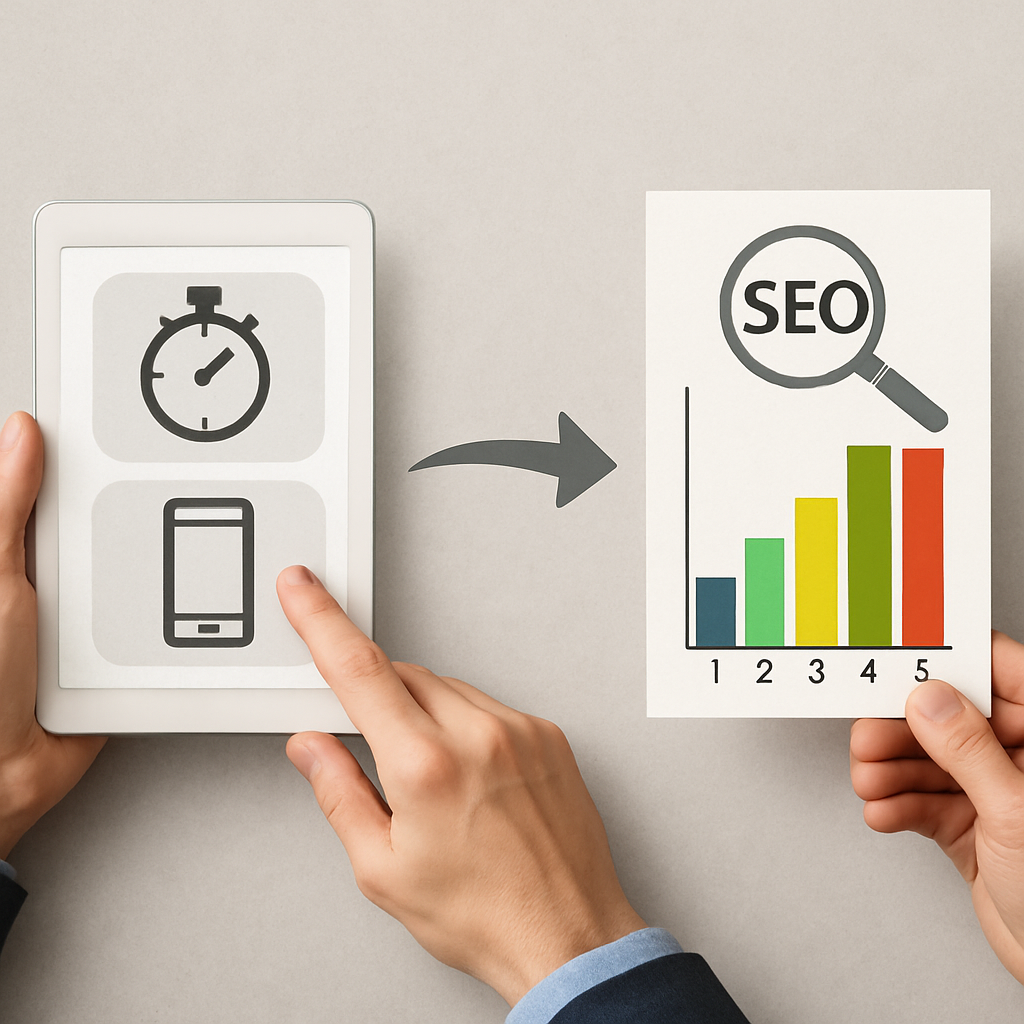
In conclusion, prioritizing user experience is no longer optional if you're serious about improving SEO performance. By focusing on creating an intuitive and enjoyable browsing journey for visitors, you'll not only keep them engaged but also climb those search engine rankings. So before diving into more keyword research or backlink building, take a moment to assess how well you're treating your site's visitors — after all, happy users equal happy rankings!
Picture this: you've crafted the perfect blog post, filled with valuable insights and killer keywords, but when users land on your site, they bounce faster than a rubber ball on a trampoline. Frustrating, right? That’s the reality of neglecting user experience (UX) in your SEO strategy.
A staggering 88% of online consumers are less likely to return to a site after a bad experience. If you’re trying to figure out how to increase SEO performance, ignoring UX is like trying to fill a bucket with holes — no matter how much content you pour in, it just won’t stick.
The Connection Between UX and SEO
Search engines like Google have evolved from simple keyword matchers to sophisticated algorithms that prioritize user satisfaction. This means that if users find your website confusing or frustrating, search engines will take note and lower your rankings. It’s like having a friend who only invites you over if you bring snacks — if you don’t deliver a good experience, they’ll stop calling.
- Page load speed: A slow website can lead to high bounce rates.
- Mobile responsiveness: With over half of web traffic coming from mobile devices, sites must be optimized for smaller screens.
- Intuitive navigation: Users should easily find what they’re looking for without feeling lost.
Common UX Mistakes That Hurt SEO
Let’s talk about some common pitfalls that can sabotage both user experience and your SEO efforts. First up: cluttered design. If your homepage looks like a yard sale exploded all over it, visitors won’t stick around long enough to read your content — let alone share it!
Pop-up ads are another UX faux pas. While they can be effective for capturing email addresses, if they block content or take forever to close, users will leave in droves. It’s like trying to have a conversation while someone’s blasting music in the background; it just doesn’t work.
A clean design combined with clear calls-to-action leads to higher engagement rates.
Measuring User Experience
So how do you know if your UX is hitting the mark? Start by monitoring key metrics such as bounce rate, average session duration, and pages per session. These figures can provide insights into user behavior on your site.
- Use Google Analytics to track user interactions.
- Conduct A/B testing on different layouts or designs.
- Gather feedback through surveys or usability tests.
In conclusion, prioritizing user experience is no longer optional if you're serious about improving SEO performance. By focusing on creating an intuitive and enjoyable browsing journey for visitors, you'll not only keep them engaged but also climb those search engine rankings. So before diving into more keyword research or backlink building, take a moment to assess how well you're treating your site's visitors — after all, happy users equal happy rankings!
Local SEO Tactics for Targeted Visibility
Think you can ignore local SEO and still thrive? Think again! A staggering 46% of all Google searches are looking for local information. If you’re not optimizing your site for local visibility, you might as well be shouting into a void.
Picture this: a quaint coffee shop nestled in a bustling neighborhood. They serve the best lattes in town, but without local SEO tactics, they’re invisible to potential customers just around the corner. It’s like having the best-kept secret that no one knows about!
Claim Your Google My Business Listing
First things first: claiming your Google My Business (GMB) listing is non-negotiable. This free tool allows you to manage how your business appears on Google Search and Maps. Fill out every detail — from your business name to hours of operation — because this is often the first impression potential customers will have of you.
A complete GMB profile can increase your chances of being discovered by up to 70%!
Optimize for Local Keywords
Next up, let’s talk about keywords. Local SEO isn’t just about generic terms; it’s about specificity. Instead of targeting ‘coffee shop,’ go for ‘best coffee shop in [Your City].’ Use tools like Ubersuggest or Moz to find keywords that locals are searching for and incorporate them naturally into your content.
- [Your City] + best [service/product]
- [Neighborhood] + [service/product]
- [Your City] + reviews
NAP Consistency is Key
NAP stands for Name, Address, Phone number — and keeping these consistent across all online platforms is crucial. Inconsistent information can confuse search engines and hurt your rankings. Make sure that wherever your business is listed online, it has the same NAP details.
Think you can ignore local SEO and still thrive? Think again! A staggering 46% of all Google searches are looking for local information. If you’re not optimizing your site for local visibility, you might as well be shouting into a void.
Picture this: a quaint coffee shop nestled in a bustling neighborhood. They serve the best lattes in town, but without local SEO tactics, they’re invisible to potential customers just around the corner. It’s like having the best-kept secret that no one knows about!
Claim Your Google My Business Listing
First things first: claiming your Google My Business (GMB) listing is non-negotiable. This free tool allows you to manage how your business appears on Google Search and Maps. Fill out every detail — from your business name to hours of operation — because this is often the first impression potential customers will have of you.
A complete GMB profile can increase your chances of being discovered by up to 70%!
Optimize for Local Keywords
Next up, let’s talk about keywords. Local SEO isn’t just about generic terms; it’s about specificity. Instead of targeting ‘coffee shop,’ go for ‘best coffee shop in [Your City].’ Use tools like Ubersuggest or Moz to find keywords that locals are searching for and incorporate them naturally into your content.
- [Your City] + best [service/product]
- [Neighborhood] + [service/product]
- [Your City] + reviews
NAP Consistency is Key
NAP stands for Name, Address, Phone number — and keeping these consistent across all online platforms is crucial. Inconsistent information can confuse search engines and hurt your rankings. Make sure that wherever your business is listed online, it has the same NAP details.
Monitoring and Adapting SEO Strategies Over Time
If you think your SEO strategy is a set-it-and-forget-it affair, think again! SEO is more like a garden that needs regular pruning and watering rather than a statue that sits pretty without any upkeep. The digital landscape changes faster than your last Netflix binge, and if you're not adjusting your tactics, you might as well be planting seeds in concrete.
A staggering 93% of online experiences begin with a search engine. If you're not monitoring your performance, you're missing out on potential traffic!
Why Monitoring Matters
Imagine running a trendy online boutique. You launch with a bang, but after a few months, sales plummet. What happened? Without monitoring your SEO performance, you could miss critical signals like keyword drops or changes in user behavior. Regularly checking metrics such as organic traffic, bounce rates, and conversion rates will help you identify what’s working and what’s not.
- Organic Traffic: Are more users finding you through search engines?
- Bounce Rate: Are visitors leaving your site without engaging?
- Conversion Rate: Are visitors completing desired actions like purchases or sign-ups?
Tools for Monitoring Your SEO Performance
What tools should I use? is the million-dollar question! There are plenty of options out there that can help keep tabs on your site's health. Google Analytics is the classic go-to for tracking user behavior, while SEMrush offers fantastic insights into keyword rankings and competitive analysis.
- Google Analytics: Track user engagement metrics and demographics.
- Ahrefs: Monitor backlinks and keyword rankings.
- Moz: Assess domain authority and page optimization.
Adapting Your Strategy
Adapt or die isn’t just a catchy phrase; it’s the reality of SEO. Trends shift, algorithms change, and user preferences evolve. Regular audits of your content can help identify outdated articles that need refreshing or new topics to cover based on emerging trends.
Content that stays relevant increases its chances of ranking higher — don’t let your hard work gather dust!
For example, if you notice that blog posts about eco-friendly products are gaining traction in searches but you haven't covered them yet, it’s time to pivot! Create content around this topic to capture this growing audience.
In conclusion, understanding how to increase SEO performance isn't just about initial efforts; it's about ongoing evaluation and adaptation. So roll up those sleeves — check those metrics regularly, stay agile in your strategy adjustments, and watch as your website climbs the search rankings!
If you think your SEO strategy is a set-it-and-forget-it affair, think again! SEO is more like a garden that needs regular pruning and watering rather than a statue that sits pretty without any upkeep. The digital landscape changes faster than your last Netflix binge, and if you're not adjusting your tactics, you might as well be planting seeds in concrete.
A staggering 93% of online experiences begin with a search engine. If you're not monitoring your performance, you're missing out on potential traffic!
Why Monitoring Matters
Imagine running a trendy online boutique. You launch with a bang, but after a few months, sales plummet. What happened? Without monitoring your SEO performance, you could miss critical signals like keyword drops or changes in user behavior. Regularly checking metrics such as organic traffic, bounce rates, and conversion rates will help you identify what’s working and what’s not.
- Organic Traffic: Are more users finding you through search engines?
- Bounce Rate: Are visitors leaving your site without engaging?
- Conversion Rate: Are visitors completing desired actions like purchases or sign-ups?
Tools for Monitoring Your SEO Performance
What tools should I use? is the million-dollar question! There are plenty of options out there that can help keep tabs on your site's health. Google Analytics is the classic go-to for tracking user behavior, while SEMrush offers fantastic insights into keyword rankings and competitive analysis.
- Google Analytics: Track user engagement metrics and demographics.
- Ahrefs: Monitor backlinks and keyword rankings.
- Moz: Assess domain authority and page optimization.
Adapting Your Strategy
Adapt or die isn’t just a catchy phrase; it’s the reality of SEO. Trends shift, algorithms change, and user preferences evolve. Regular audits of your content can help identify outdated articles that need refreshing or new topics to cover based on emerging trends.
Content that stays relevant increases its chances of ranking higher — don’t let your hard work gather dust!
For example, if you notice that blog posts about eco-friendly products are gaining traction in searches but you haven't covered them yet, it’s time to pivot! Create content around this topic to capture this growing audience.
In conclusion, understanding how to increase SEO performance isn't just about initial efforts; it's about ongoing evaluation and adaptation. So roll up those sleeves — check those metrics regularly, stay agile in your strategy adjustments, and watch as your website climbs the search rankings!