










Table of Contents
- 1 Get Your Website to the Top of Google: Complete Strategy Guide
- 1.1 Understanding Google's Ranking Algorithm
- 1.2 Comprehensive Keyword Research Techniques
- 1.3 On-Page Optimization Strategies
- 1.4 Technical SEO Essentials
- 1.5 Content Development for SEO Success
- 1.6 Link Building Strategies That Work
- 1.7 Monitoring and Analyzing Performance Metrics
- 1.8 Local SEO Tactics for Geographic Relevance
- 1.9 Future Trends in SEO to Stay Ahead
- 1.10 Frequently Asked Questions
Get Your Website to the Top of Google: Complete Strategy Guide
Understanding Google's Ranking Algorithm
Did you know that over 90% of online experiences begin with a search engine? If you're not on that coveted first page of Google, you're practically invisible. For businesses, that could mean the difference between thriving and merely surviving.
Google's ranking algorithm is like a secret sauce that changes constantly. One day, it might favor mobile-friendliness (which it does—hint: your site better be responsive), and the next, it could be all about content quality or user experience. Keeping up with these changes is akin to trying to catch smoke with your bare hands.
Key Ranking Factors
Let’s break down some key factors that affect how to get your website to the top of Google. Spoiler alert: it’s not just about throwing in a bunch of keywords and hoping for the best.
- Content Quality: High-quality, relevant content is non-negotiable.
- Mobile-Friendliness: With over 50% of searches happening on mobile devices, your site must look good on smaller screens.
- Page Speed: A slow-loading page can send users fleeing faster than you can say bounce rate. Aim for under three seconds.
- Backlinks: Quality backlinks from authoritative sites boost your credibility in Google's eyes.
The Role of User Experience
User experience sounds like buzzword bingo, but it’s one of those things you can't ignore if you want to rise through the ranks. Google tracks how users interact with your site—if they click away after a few seconds because they can't find what they're looking for, that's a bad sign.
Dwell time—how long users stay on your page before returning to search results—is a critical metric in determining your ranking.
E-A-T Your Way to Success
E-A-T stands for Expertise, Authoritativeness, and Trustworthiness. These are crucial elements that Google looks for when deciding which pages rank higher. If you're running an e-commerce store selling health supplements, showing expertise through well-researched articles or obtaining certifications can give you an edge over competitors who don’t bother.
As algorithms evolve, so should your strategies. Keep an eye on industry trends and updates from Google itself—after all, they’re the ones holding the keys to success!
Comprehensive Keyword Research Techniques
Keyword research isn’t just a box to check off; it’s the foundation of your SEO strategy. Think of it as the treasure map that leads you to your audience. Without it, you’re wandering aimlessly in the vast desert of the internet, hoping to stumble upon gold.
Consider this: 80% of search queries are long-tail keywords, which means people are getting more specific about what they want. If you’re still focusing solely on broad terms like shoes instead of best running shoes for flat feet, you might as well be shouting into a void.
Identify Your Audience's Needs
Start by diving deep into what your audience is actually searching for. Tools like Google Trends and AnswerThePublic can give you insights into trending topics and common questions. For instance, if you're running a local bakery, you might discover that people are searching for gluten-free cupcakes near me or best vegan pastries in [Your City]. Tailoring your content around these specific queries can drive targeted traffic straight to your site.
Use Competitor Analysis
Don’t be shy about checking out what your competitors are doing. Tools like SEMrush or Ahrefs can reveal which keywords are driving traffic to their sites. This isn’t about copying them; it's about finding gaps in their strategy where you can shine. Maybe they’re ranking for organic coffee but missing out on sustainable coffee brands. That’s your cue!
Leverage Keyword Tools
How to get your website to the top of Google doesn’t just happen magically—it requires strategic keyword selection. Utilize tools like Google Keyword Planner or Ubersuggest to uncover search volumes, competition levels, and related keywords. Aim for a mix of high-volume and low-competition keywords to maximize your chances of ranking well.
- How to get your website to the top of Google: Focus on this primary keyword.
- SEO tips for small businesses: A great long-tail keyword.
- Best practices for optimizing blog posts: Another relevant phrase.
Keyword intent matters! Understanding whether users seek information, navigation, or transactions will shape how you create content.
How to get your website to the top of Google isn’t just about finding the right words—it's about understanding context and user intent behind those words. When crafting content, make sure it aligns with what users expect when they type in those keywords.
Keyword research isn’t just a box to check off; it’s the foundation of your SEO strategy. Think of it as the treasure map that leads you to your audience. Without it, you’re wandering aimlessly in the vast desert of the internet, hoping to stumble upon gold.
Consider this: 80% of search queries are long-tail keywords, which means people are getting more specific about what they want. If you’re still focusing solely on broad terms like shoes instead of best running shoes for flat feet, you might as well be shouting into a void.
Identify Your Audience's Needs
Start by diving deep into what your audience is actually searching for. Tools like Google Trends and AnswerThePublic can give you insights into trending topics and common questions. For instance, if you're running a local bakery, you might discover that people are searching for gluten-free cupcakes near me or best vegan pastries in [Your City]. Tailoring your content around these specific queries can drive targeted traffic straight to your site.
Use Competitor Analysis
Don’t be shy about checking out what your competitors are doing. Tools like SEMrush or Ahrefs can reveal which keywords are driving traffic to their sites. This isn’t about copying them; it's about finding gaps in their strategy where you can shine. Maybe they’re ranking for organic coffee but missing out on sustainable coffee brands. That’s your cue!
Leverage Keyword Tools
How to get your website to the top of Google doesn’t just happen magically—it requires strategic keyword selection. Utilize tools like Google Keyword Planner or Ubersuggest to uncover search volumes, competition levels, and related keywords. Aim for a mix of high-volume and low-competition keywords to maximize your chances of ranking well.
- How to get your website to the top of Google: Focus on this primary keyword.
- SEO tips for small businesses: A great long-tail keyword.
- Best practices for optimizing blog posts: Another relevant phrase.
Keyword intent matters! Understanding whether users seek information, navigation, or transactions will shape how you create content.
How to get your website to the top of Google isn’t just about finding the right words—it's about understanding context and user intent behind those words. When crafting content, make sure it aligns with what users expect when they type in those keywords.
On-Page Optimization Strategies
Imagine pouring your heart and soul into a website, only to find it languishing on page two of Google search results. Frustrating, right? Well, the good news is that on-page optimization can turn that around. It’s like giving your site a makeover that not only makes it look good but also helps it get noticed by Google.
Crafting Compelling Title Tags and Meta Descriptions
First things first: title tags and meta descriptions are your website’s first impression. Think of them as the storefront window display; if they’re dull or uninspiring, potential visitors will just walk on by. A well-crafted title tag should include your primary keyword—like how to get your website to the top of Google—and be enticing enough to make users want to click. Keep it under 60 characters for maximum impact.
Meta descriptions, while not a direct ranking factor, can significantly influence click-through rates. Aim for around 155 characters and use actionable language that gives a clear idea of what users will find when they click through.
Optimizing Content for User Intent
Content is king might be an overused phrase, but it rings true in the context of on-page optimization. It’s not just about keywords; it’s about understanding user intent behind those keywords. For example, if someone searches for best coffee maker reviews, they’re likely looking for detailed comparisons rather than a sales pitch. Tailor your content accordingly—use headings, bullet points, and engaging visuals to keep readers hooked.
User engagement metrics like bounce rate and dwell time signal to Google how well your content meets user expectations.
Utilizing Header Tags Effectively
Header tags are like road signs guiding users through your content journey. Using H1 for your main title is standard practice (and should include your primary keyword). But don’t stop there! Use H2s and H3s to break down sections into digestible chunks. This structure not only enhances readability but also helps search engines understand the hierarchy of information on your page.
- Use one H1 tag per page (and make it count!).
- Incorporate keywords naturally in H2s and H3s.
- Keep header text concise yet descriptive.
Image Optimization: More Than Meets the Eye
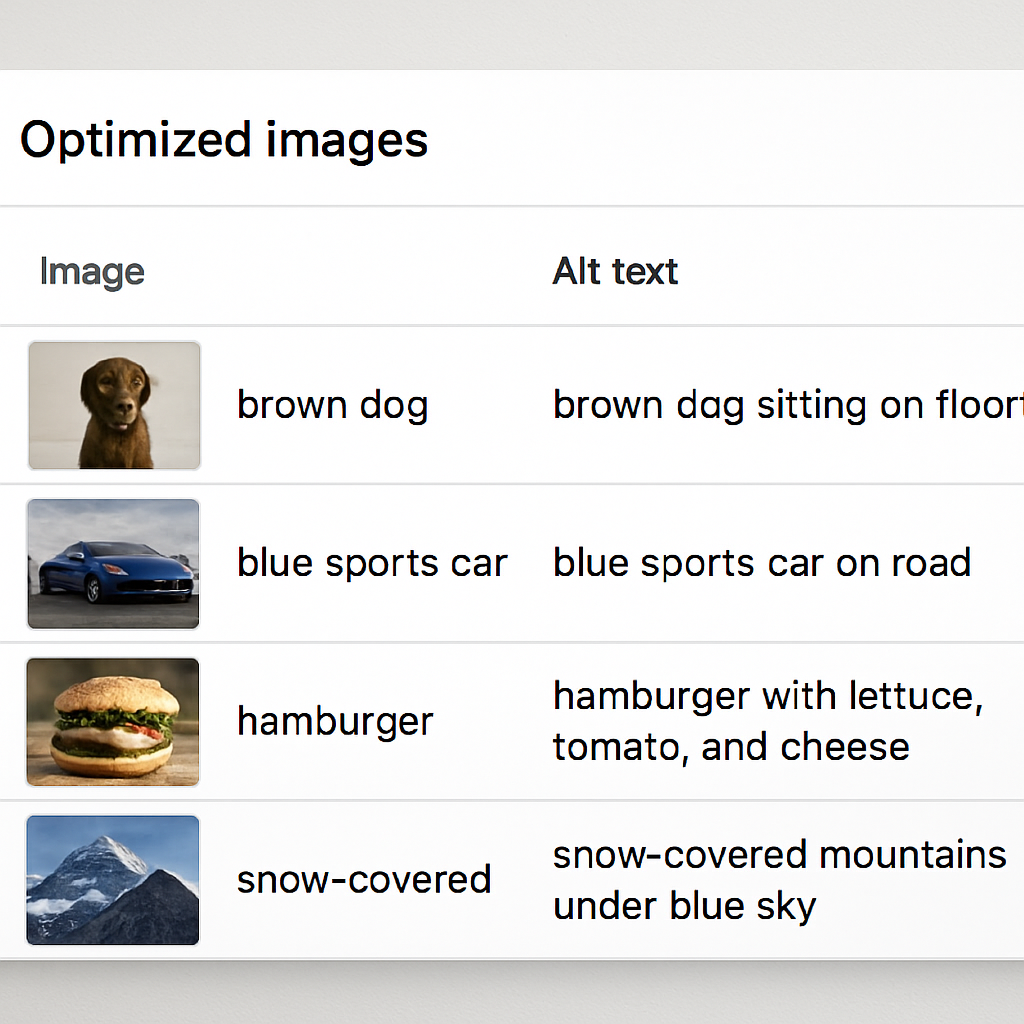
Images can enhance user experience dramatically—but only if they’re optimized properly. Use descriptive file names and alt text that includes relevant keywords. This not only helps with SEO but also provides context for visually impaired users relying on screen readers.
Finally, don’t forget about internal linking! Linking related pages within your site not only helps users navigate but also spreads link equity throughout your site. It’s like giving every page a little boost up the rankings ladder.
In conclusion, mastering these on-page optimization strategies can be game-changing in how to get your website to the top of Google. Start implementing these tactics today—because every little tweak counts toward climbing those search engine ranks!
Imagine pouring your heart and soul into a website, only to find it languishing on page two of Google search results. Frustrating, right? Well, the good news is that on-page optimization can turn that around. It’s like giving your site a makeover that not only makes it look good but also helps it get noticed by Google.
Crafting Compelling Title Tags and Meta Descriptions
First things first: title tags and meta descriptions are your website’s first impression. Think of them as the storefront window display; if they’re dull or uninspiring, potential visitors will just walk on by. A well-crafted title tag should include your primary keyword—like how to get your website to the top of Google—and be enticing enough to make users want to click. Keep it under 60 characters for maximum impact.
Meta descriptions, while not a direct ranking factor, can significantly influence click-through rates. Aim for around 155 characters and use actionable language that gives a clear idea of what users will find when they click through.
Optimizing Content for User Intent
Content is king might be an overused phrase, but it rings true in the context of on-page optimization. It’s not just about keywords; it’s about understanding user intent behind those keywords. For example, if someone searches for best coffee maker reviews, they’re likely looking for detailed comparisons rather than a sales pitch. Tailor your content accordingly—use headings, bullet points, and engaging visuals to keep readers hooked.
User engagement metrics like bounce rate and dwell time signal to Google how well your content meets user expectations.
Utilizing Header Tags Effectively
Header tags are like road signs guiding users through your content journey. Using H1 for your main title is standard practice (and should include your primary keyword). But don’t stop there! Use H2s and H3s to break down sections into digestible chunks. This structure not only enhances readability but also helps search engines understand the hierarchy of information on your page.
- Use one H1 tag per page (and make it count!).
- Incorporate keywords naturally in H2s and H3s.
- Keep header text concise yet descriptive.
Image Optimization: More Than Meets the Eye
Images can enhance user experience dramatically—but only if they’re optimized properly. Use descriptive file names and alt text that includes relevant keywords. This not only helps with SEO but also provides context for visually impaired users relying on screen readers.
Finally, don’t forget about internal linking! Linking related pages within your site not only helps users navigate but also spreads link equity throughout your site. It’s like giving every page a little boost up the rankings ladder.
In conclusion, mastering these on-page optimization strategies can be game-changing in how to get your website to the top of Google. Start implementing these tactics today—because every little tweak counts toward climbing those search engine ranks!
Technical SEO Essentials
If you think technical SEO is just a fancy term for coding jargon, think again! It’s the backbone of your website's performance and can make or break your chances of how to get your website to the top of Google.
Picture this: a local pet grooming service has a beautifully designed website, but its pages load slower than a turtle on vacation. Users bounce away faster than you can say fetch, and Google takes note. Technical SEO ensures that your site is not only visually appealing but also functions like a well-oiled machine.
Site Speed: The Need for Speed
Did you know that a one-second delay in page load time can lead to a 7% reduction in conversions? That’s right! Users expect lightning-fast access to information, and if your site lags behind, they won’t hesitate to hit the back button. Tools like Google PageSpeed Insights can help you identify bottlenecks and optimize loading times.
- Compress images without losing quality.
- Minimize HTTP requests by combining files.
- Leverage browser caching to speed up repeat visits.
Mobile Optimization: No More Pinching and Zooming
Mobile-first isn't just a buzzword; it's a reality. With over half of all web traffic coming from mobile devices, Google prioritizes mobile-friendly sites in its rankings. If users have to squint at tiny text or struggle with oversized buttons, they won’t stick around.
Responsive design is key here—your site should adapt seamlessly to any screen size.
But how do I know if my site is mobile-friendly? Great question! Use Google's Mobile-Friendly Test tool to check for issues that could be hindering your rankings.
Crawlability & Indexability: The Unsung Heroes
Imagine throwing an epic party but forgetting to send out invitations. If search engines can't crawl or index your pages, it’s like your content doesn’t exist! Ensure that your robots.txt file isn’t blocking important pages and that you have an updated XML sitemap submitted via Google Search Console.
Also, check for broken links or redirects that lead nowhere. Tools like Screaming Frog can help you identify these issues quickly.
Secure Your Site with HTTPS
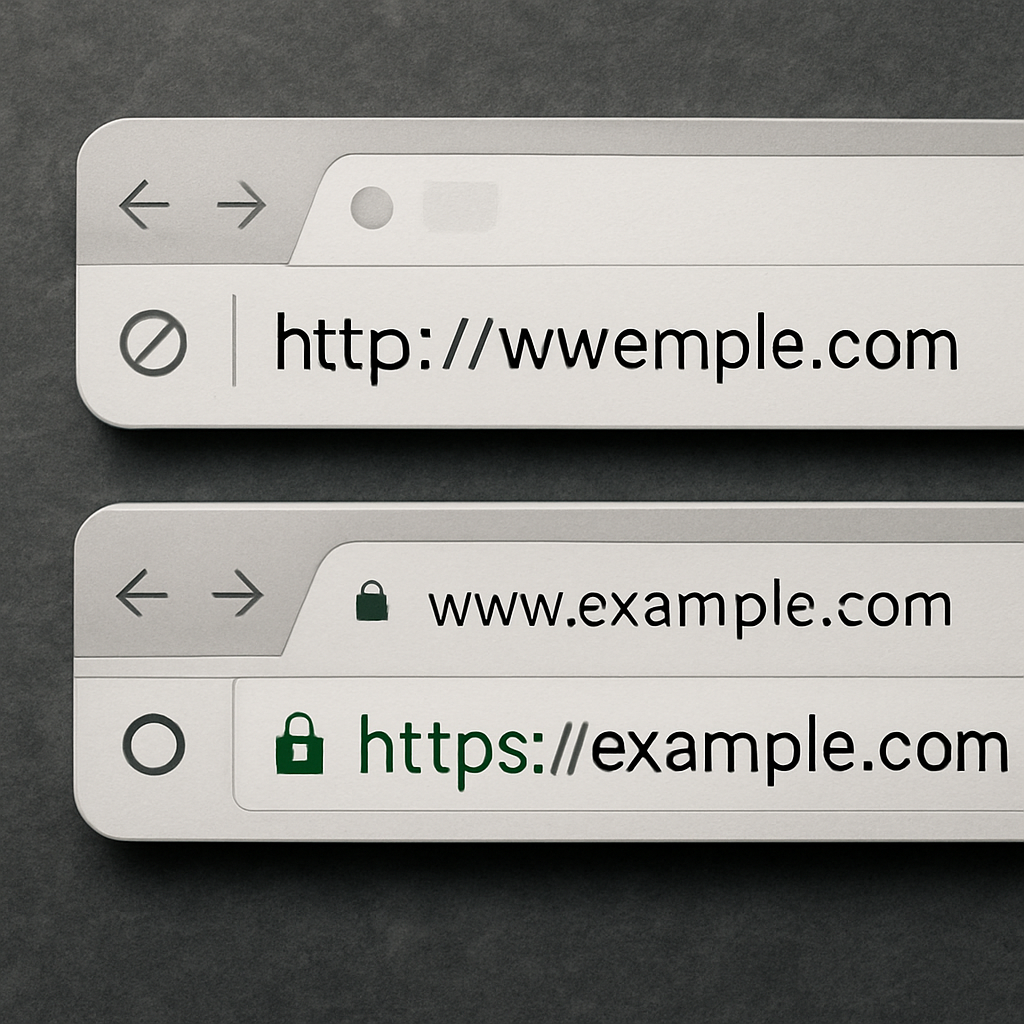
Security isn’t just for bank websites—it’s essential for everyone! Google has made it clear: sites using HTTPS are favored over those still stuck on HTTP. Not only does HTTPS protect user data, but it also boosts trustworthiness in the eyes of both users and search engines.
Make sure you have an SSL certificate installed—this small step can significantly impact how well you rank!
If you think technical SEO is just a fancy term for coding jargon, think again! It’s the backbone of your website's performance and can make or break your chances of how to get your website to the top of Google.
Picture this: a local pet grooming service has a beautifully designed website, but its pages load slower than a turtle on vacation. Users bounce away faster than you can say fetch, and Google takes note. Technical SEO ensures that your site is not only visually appealing but also functions like a well-oiled machine.
Site Speed: The Need for Speed
Did you know that a one-second delay in page load time can lead to a 7% reduction in conversions? That’s right! Users expect lightning-fast access to information, and if your site lags behind, they won’t hesitate to hit the back button. Tools like Google PageSpeed Insights can help you identify bottlenecks and optimize loading times.
- Compress images without losing quality.
- Minimize HTTP requests by combining files.
- Leverage browser caching to speed up repeat visits.
Mobile Optimization: No More Pinching and Zooming
Mobile-first isn't just a buzzword; it's a reality. With over half of all web traffic coming from mobile devices, Google prioritizes mobile-friendly sites in its rankings. If users have to squint at tiny text or struggle with oversized buttons, they won’t stick around.
Responsive design is key here—your site should adapt seamlessly to any screen size.
But how do I know if my site is mobile-friendly? Great question! Use Google's Mobile-Friendly Test tool to check for issues that could be hindering your rankings.
Crawlability & Indexability: The Unsung Heroes
Imagine throwing an epic party but forgetting to send out invitations. If search engines can't crawl or index your pages, it’s like your content doesn’t exist! Ensure that your robots.txt file isn’t blocking important pages and that you have an updated XML sitemap submitted via Google Search Console.
Also, check for broken links or redirects that lead nowhere. Tools like Screaming Frog can help you identify these issues quickly.
Secure Your Site with HTTPS
Security isn’t just for bank websites—it’s essential for everyone! Google has made it clear: sites using HTTPS are favored over those still stuck on HTTP. Not only does HTTPS protect user data, but it also boosts trustworthiness in the eyes of both users and search engines.
Make sure you have an SSL certificate installed—this small step can significantly impact how well you rank!
Content Development for SEO Success
Crafting content that gets you to the top of Google isn't just about slapping some words on a page and hoping for the best. It's an art form—think of it as a recipe where each ingredient must be carefully measured and mixed to create something deliciously irresistible.
Consider this: websites that consistently publish high-quality content see up to 55% more traffic than those that don’t. That's not just a statistic; it's a wake-up call for anyone serious about how to get your website to the top of Google.
Understanding Your Audience
Before you even think about writing, put yourself in your audience's shoes. What questions are they asking? What problems are they trying to solve? For instance, if you run an online gardening store, your customers might be searching for tips on how to care for succulents or the best tools for urban gardening. Tailoring your content around these specific queries can transform your site into a go-to resource.
Creating Valuable Content
Valuable is the name of the game here. Your content should not only answer questions but also provide insights, tips, or even personal anecdotes that resonate with readers. Think of it like hosting a dinner party: you want your guests (readers) to leave feeling satisfied and eager for more.
- Use engaging headlines that spark curiosity.
- Incorporate visuals like images or infographics to break up text.
- Include actionable tips that readers can implement immediately.
E-A-T: Expertise, Authoritativeness, Trustworthiness
E-A-T is not just SEO jargon; it's essential for building credibility with both Google and your audience. If you're writing about health topics, having well-researched articles backed by credible sources can set you apart from competitors who may lack this rigor. A local health blog might thrive by featuring interviews with doctors or referencing studies from reputable journals.
E-A-T signals to Google that you're a trustworthy source—don't skip this step!
(Re)Optimizing Existing Content
Set it and forget it doesn't apply here! Regularly revisiting and updating existing content can keep it fresh and relevant. For example, if you wrote an article on Best Winter Coats last year, check if any new brands have emerged or if styles have changed. Updating old posts can give them new life and improve their ranking potential.
Crafting content that gets you to the top of Google isn't just about slapping some words on a page and hoping for the best. It's an art form—think of it as a recipe where each ingredient must be carefully measured and mixed to create something deliciously irresistible.
Consider this: websites that consistently publish high-quality content see up to 55% more traffic than those that don’t. That's not just a statistic; it's a wake-up call for anyone serious about how to get your website to the top of Google.
Understanding Your Audience
Before you even think about writing, put yourself in your audience's shoes. What questions are they asking? What problems are they trying to solve? For instance, if you run an online gardening store, your customers might be searching for tips on how to care for succulents or the best tools for urban gardening. Tailoring your content around these specific queries can transform your site into a go-to resource.
Creating Valuable Content
Valuable is the name of the game here. Your content should not only answer questions but also provide insights, tips, or even personal anecdotes that resonate with readers. Think of it like hosting a dinner party: you want your guests (readers) to leave feeling satisfied and eager for more.
- Use engaging headlines that spark curiosity.
- Incorporate visuals like images or infographics to break up text.
- Include actionable tips that readers can implement immediately.
E-A-T: Expertise, Authoritativeness, Trustworthiness
E-A-T is not just SEO jargon; it's essential for building credibility with both Google and your audience. If you're writing about health topics, having well-researched articles backed by credible sources can set you apart from competitors who may lack this rigor. A local health blog might thrive by featuring interviews with doctors or referencing studies from reputable journals.
E-A-T signals to Google that you're a trustworthy source—don't skip this step!
(Re)Optimizing Existing Content
Set it and forget it doesn't apply here! Regularly revisiting and updating existing content can keep it fresh and relevant. For example, if you wrote an article on Best Winter Coats last year, check if any new brands have emerged or if styles have changed. Updating old posts can give them new life and improve their ranking potential.
Link Building Strategies That Work
If you think link building is just a fancy term for asking your friends to share your blog posts, think again! It’s the lifeblood of SEO, and without it, your chances of how to get your website to the top of Google are about as slim as a toothpick in a lumberjack's pocket.
Consider this: websites with a strong backlink profile are 3.8 times more likely to rank well on Google. Those links are like votes of confidence from other sites, telling Google that you’re worth checking out. But not all links are created equal. Quality trumps quantity every time.
The Power of Guest Blogging
Guest blogging is like networking at a party—except instead of awkward small talk, you're sharing valuable insights with a new audience. When you write for reputable sites in your niche, you get to showcase your expertise while snagging some quality backlinks in the process.
- Research blogs that accept guest posts and align with your niche.
- Pitch unique topic ideas that provide value to their audience.
- Include relevant links back to your site within the content.
Creating Link-Worthy Content
If you build it, they will come doesn’t just apply to baseball fields; it’s also true for content! Crafting high-quality, original content that solves problems or provides unique insights can naturally attract backlinks. Think infographics, comprehensive guides, or even entertaining listicles.
(Pro tip: Make sure your content is visually appealing and easy to digest.)
How-to articles and data-driven pieces often get shared more because they offer real value. For instance, if you run a fitness blog, creating an ultimate guide on How to Stay Fit at Home could become a go-to resource for others in the industry.
(Re)Engaging with Your Community
Engagement isn’t just for social media; it’s vital for link building too! By actively participating in forums or communities related to your niche—think Reddit threads or specialized Facebook groups—you can establish yourself as an authority while subtly promoting your content.
- Answer questions and provide valuable insights.
- Share relevant blog posts when appropriate (without spamming!).
- Build relationships with other contributors—collaborations can lead to backlinks!
In conclusion, mastering link building isn’t just about collecting links like Pokémon cards; it’s about creating genuine relationships and providing real value. As you implement these strategies, keep an eye on how they impact your rankings—because every link counts toward how to get your website to the top of Google!
If you think link building is just a fancy term for asking your friends to share your blog posts, think again! It’s the lifeblood of SEO, and without it, your chances of how to get your website to the top of Google are about as slim as a toothpick in a lumberjack's pocket.
Consider this: websites with a strong backlink profile are 3.8 times more likely to rank well on Google. Those links are like votes of confidence from other sites, telling Google that you’re worth checking out. But not all links are created equal. Quality trumps quantity every time.
The Power of Guest Blogging
Guest blogging is like networking at a party—except instead of awkward small talk, you're sharing valuable insights with a new audience. When you write for reputable sites in your niche, you get to showcase your expertise while snagging some quality backlinks in the process.
- Research blogs that accept guest posts and align with your niche.
- Pitch unique topic ideas that provide value to their audience.
- Include relevant links back to your site within the content.
Creating Link-Worthy Content
If you build it, they will come doesn’t just apply to baseball fields; it’s also true for content! Crafting high-quality, original content that solves problems or provides unique insights can naturally attract backlinks. Think infographics, comprehensive guides, or even entertaining listicles.
(Pro tip: Make sure your content is visually appealing and easy to digest.)
How-to articles and data-driven pieces often get shared more because they offer real value. For instance, if you run a fitness blog, creating an ultimate guide on How to Stay Fit at Home could become a go-to resource for others in the industry.
(Re)Engaging with Your Community
Engagement isn’t just for social media; it’s vital for link building too! By actively participating in forums or communities related to your niche—think Reddit threads or specialized Facebook groups—you can establish yourself as an authority while subtly promoting your content.
- Answer questions and provide valuable insights.
- Share relevant blog posts when appropriate (without spamming!).
- Build relationships with other contributors—collaborations can lead to backlinks!
In conclusion, mastering link building isn’t just about collecting links like Pokémon cards; it’s about creating genuine relationships and providing real value. As you implement these strategies, keep an eye on how they impact your rankings—because every link counts toward how to get your website to the top of Google!
Monitoring and Analyzing Performance Metrics
Ever felt like you’re running in circles with your SEO efforts? You pour time and energy into optimizing your site, only to wonder if it’s making a dent. Well, here’s the kicker: without monitoring performance metrics, you might as well be throwing spaghetti at the wall and hoping something sticks.
A staggering 70% of marketers say they struggle to measure the ROI of their SEO efforts. If you’re in that boat, it’s time to grab an oar. Understanding how to get your website to the top of Google isn’t just about creating content; it’s about knowing what works and what doesn’t through precise measurements.
Key Metrics to Track
Let’s break down some crucial performance metrics that should be on your radar. Think of these as your SEO dashboard lights—when one flickers, it’s time to take action.
- Organic Traffic: The number of visitors coming from search engines is a direct indicator of your SEO success.
- Bounce Rate: A high bounce rate suggests that users aren’t finding what they expect when they land on your page.
- Average Session Duration: This tells you how long users are engaging with your content—longer is usually better!
- Conversion Rate: Are visitors taking action? Whether it's signing up for a newsletter or making a purchase, track those conversions.
(Re)Evaluating Your Strategy
What gets measured gets managed. It’s an old adage, but it rings true in the world of SEO. Regularly analyzing these metrics allows you to pivot your strategy based on real data rather than gut feelings or trends that may have come and gone.
'You can't improve what you don't measure.'
[Imagine this scenario: A local coffee shop invests heavily in blog content about brewing techniques but notices low engagement metrics. After analyzing their performance data, they discover that visitors are bouncing because the articles are too technical for their audience. By adjusting the content tone and focusing on beginner-friendly tips, they can significantly improve user engagement and retention.]
Tools for Tracking Performance Metrics
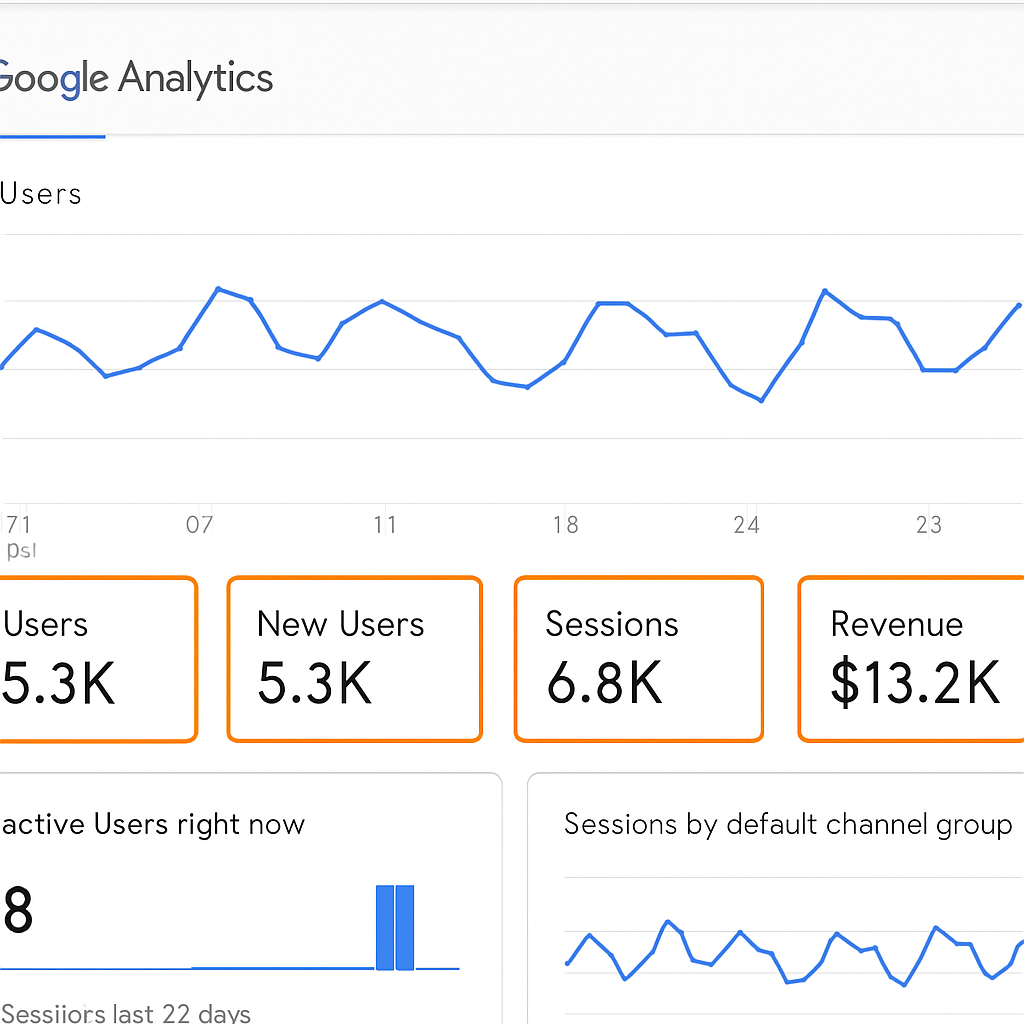
There are countless tools out there designed to help you track these vital metrics. Google Analytics is a must-have for any website owner looking to dive deep into user behavior. Other tools like SEMrush or Ahrefs can provide insights into keyword rankings and backlink profiles.
- Google Analytics: For tracking traffic sources and user behavior.
- SEMrush: Great for keyword tracking and competitive analysis.
- Ahrefs: Excellent for backlink analysis and site audits.
- Moz Pro: Offers keyword tracking alongside domain authority insights.
Ever felt like you’re running in circles with your SEO efforts? You pour time and energy into optimizing your site, only to wonder if it’s making a dent. Well, here’s the kicker: without monitoring performance metrics, you might as well be throwing spaghetti at the wall and hoping something sticks.
A staggering 70% of marketers say they struggle to measure the ROI of their SEO efforts. If you’re in that boat, it’s time to grab an oar. Understanding how to get your website to the top of Google isn’t just about creating content; it’s about knowing what works and what doesn’t through precise measurements.
Key Metrics to Track
Let’s break down some crucial performance metrics that should be on your radar. Think of these as your SEO dashboard lights—when one flickers, it’s time to take action.
- Organic Traffic: The number of visitors coming from search engines is a direct indicator of your SEO success.
- Bounce Rate: A high bounce rate suggests that users aren’t finding what they expect when they land on your page.
- Average Session Duration: This tells you how long users are engaging with your content—longer is usually better!
- Conversion Rate: Are visitors taking action? Whether it's signing up for a newsletter or making a purchase, track those conversions.
(Re)Evaluating Your Strategy
What gets measured gets managed. It’s an old adage, but it rings true in the world of SEO. Regularly analyzing these metrics allows you to pivot your strategy based on real data rather than gut feelings or trends that may have come and gone.
'You can't improve what you don't measure.'
[Imagine this scenario: A local coffee shop invests heavily in blog content about brewing techniques but notices low engagement metrics. After analyzing their performance data, they discover that visitors are bouncing because the articles are too technical for their audience. By adjusting the content tone and focusing on beginner-friendly tips, they can significantly improve user engagement and retention.]
Tools for Tracking Performance Metrics
There are countless tools out there designed to help you track these vital metrics. Google Analytics is a must-have for any website owner looking to dive deep into user behavior. Other tools like SEMrush or Ahrefs can provide insights into keyword rankings and backlink profiles.
- Google Analytics: For tracking traffic sources and user behavior.
- SEMrush: Great for keyword tracking and competitive analysis.
- Ahrefs: Excellent for backlink analysis and site audits.
- Moz Pro: Offers keyword tracking alongside domain authority insights.
Local SEO Tactics for Geographic Relevance
Ignoring local SEO is like throwing a party and forgetting to invite your neighbors. You might be the life of the party, but if no one shows up, what’s the point? With over 46% of all Google searches looking for local information, ensuring your business is visible in your community is not just smart—it's essential.
Imagine you're a cozy coffee shop nestled in a bustling neighborhood. You serve the best lattes in town, yet you’re still sitting on page two of Google search results when someone types best coffee near me. That’s a missed opportunity! Local SEO can change that narrative and help you brew up more foot traffic.
Claim and Optimize Your Google My Business Listing
First things first: claiming your Google My Business (GMB) listing is non-negotiable. This free tool puts your business on the map—literally. Fill out every section completely: hours, address, phone number, and website link. Bonus points if you add some mouth-watering photos of your offerings!
A complete GMB profile can increase your chances of being found by up to 70%!
Utilize Local Keywords Effectively
How to get your website to the top of Google isn’t just about generic keywords; it’s about localizing them. Instead of just targeting broad terms like coffee shop, think best coffee shop in [Your City]. Use tools like Ubersuggest or Google Keyword Planner to find local keywords that resonate with your audience.
- Best coffee near me
- Coffee shops open late in [Your City]
- Organic coffee beans [Your Neighborhood]
(Re)Engage with Your Community Online
Community engagement might sound like a buzzword, but it’s crucial for local SEO. Join local Facebook groups or forums related to food and drink. Share insights about brewing techniques or special events at your shop. This not only positions you as an expert but also helps generate backlinks—think of it as networking without the awkward small talk.

Collect Customer Reviews
Customer reviews are gold when it comes to local SEO. They not only build trust but also signal to Google that you're a reputable business worth recommending. Encourage satisfied customers to leave reviews on GMB and other platforms like Yelp or TripAdvisor. Responding to reviews—both positive and negative—shows you care about customer feedback.
Businesses with positive reviews rank higher in search results—so don’t shy away from asking for them!
Ignoring local SEO is like throwing a party and forgetting to invite your neighbors. You might be the life of the party, but if no one shows up, what’s the point? With over 46% of all Google searches looking for local information, ensuring your business is visible in your community is not just smart—it's essential.
Imagine you're a cozy coffee shop nestled in a bustling neighborhood. You serve the best lattes in town, yet you’re still sitting on page two of Google search results when someone types best coffee near me. That’s a missed opportunity! Local SEO can change that narrative and help you brew up more foot traffic.
Claim and Optimize Your Google My Business Listing
First things first: claiming your Google My Business (GMB) listing is non-negotiable. This free tool puts your business on the map—literally. Fill out every section completely: hours, address, phone number, and website link. Bonus points if you add some mouth-watering photos of your offerings!
A complete GMB profile can increase your chances of being found by up to 70%!
Utilize Local Keywords Effectively
How to get your website to the top of Google isn’t just about generic keywords; it’s about localizing them. Instead of just targeting broad terms like coffee shop, think best coffee shop in [Your City]. Use tools like Ubersuggest or Google Keyword Planner to find local keywords that resonate with your audience.
- Best coffee near me
- Coffee shops open late in [Your City]
- Organic coffee beans [Your Neighborhood]
(Re)Engage with Your Community Online
Community engagement might sound like a buzzword, but it’s crucial for local SEO. Join local Facebook groups or forums related to food and drink. Share insights about brewing techniques or special events at your shop. This not only positions you as an expert but also helps generate backlinks—think of it as networking without the awkward small talk.
Collect Customer Reviews
Customer reviews are gold when it comes to local SEO. They not only build trust but also signal to Google that you're a reputable business worth recommending. Encourage satisfied customers to leave reviews on GMB and other platforms like Yelp or TripAdvisor. Responding to reviews—both positive and negative—shows you care about customer feedback.
Businesses with positive reviews rank higher in search results—so don’t shy away from asking for them!
Future Trends in SEO to Stay Ahead
SEO is evolving faster than a toddler on a sugar high, and if you want your website to stay at the top of Google, you need to keep up with the trends. In fact, a recent study revealed that 70% of marketers believe AI will significantly impact their SEO strategies in the next few years. That’s not just a buzzword; it’s a reality check!
Let’s be real: the days of simply stuffing keywords into your content and calling it a day are long gone. Today, search engines are smarter than ever, using AI and machine learning to understand user intent better. If you’re still playing by the old rules, you might as well be sending smoke signals instead of text messages.
Voice Search Optimization
With the rise of smart speakers and virtual assistants, optimizing for voice search is no longer optional—it's essential. People aren’t typing best coffee shop anymore; they’re asking Siri or Alexa where they can find one nearby. This shift means focusing on conversational keywords and phrases.
- Focus on long-tail keywords that mimic natural speech.
- Optimize for local searches by including location-based terms.
- Ensure your site loads quickly—voice search users expect instant answers.
(Re)Emphasizing User Experience
(Re)emphasizing user experience (UX) is another trend that isn’t going anywhere. Google’s Core Web Vitals are crucial metrics that assess page loading speed, interactivity, and visual stability. If your website isn’t user-friendly, it’ll be harder to climb those SERP rankings.
[Pro tip: Regularly audit your site’s UX elements—think navigation ease and mobile responsiveness—to ensure users have a seamless experience.]
[Insert Trend Here]
SEO is evolving faster than a toddler on a sugar high, and if you want your website to stay at the top of Google, you need to keep up with the trends. In fact, a recent study revealed that 70% of marketers believe AI will significantly impact their SEO strategies in the next few years. That’s not just a buzzword; it’s a reality check!
Let’s be real: the days of simply stuffing keywords into your content and calling it a day are long gone. Today, search engines are smarter than ever, using AI and machine learning to understand user intent better. If you’re still playing by the old rules, you might as well be sending smoke signals instead of text messages.
Voice Search Optimization
With the rise of smart speakers and virtual assistants, optimizing for voice search is no longer optional—it's essential. People aren’t typing best coffee shop anymore; they’re asking Siri or Alexa where they can find one nearby. This shift means focusing on conversational keywords and phrases.
- Focus on long-tail keywords that mimic natural speech.
- Optimize for local searches by including location-based terms.
- Ensure your site loads quickly—voice search users expect instant answers.
(Re)Emphasizing User Experience
(Re)emphasizing user experience (UX) is another trend that isn’t going anywhere. Google’s Core Web Vitals are crucial metrics that assess page loading speed, interactivity, and visual stability. If your website isn’t user-friendly, it’ll be harder to climb those SERP rankings.
[Pro tip: Regularly audit your site’s UX elements—think navigation ease and mobile responsiveness—to ensure users have a seamless experience.]
[Insert Trend Here]
Frequently Asked Questions

Written by
Michael TorresMichael is an SEO analyst and data nerd obsessed with rank tracking, SERP trends, and algorithm updates. He has spent the last 6 years turning search data into actionable content strategies for startups and growth-stage companies.