















Table of Contents
- 1 Top SEO Writing Tools to Optimize Your Content for Rankings
- 1.1 Analyzing the Role of SEO Writing Tools in Content Strategy
- 1.2 Keyword Research Tools: Foundations for Effective Content
- 1.3 Content Optimization Platforms: Enhancing Readability and Structure
- 1.4 SEO Auditing Tools: Assessing Content Performance and Compliance
- 1.5 Plagiarism Checkers: Ensuring Originality and Compliance
- 1.6 Analytics and Reporting Tools: Measuring Success Over Time
- 1.7 Collaborative Writing Tools: Streamlining Team Efforts in SEO Content Creation
- 1.8 Future Trends in SEO Writing Tools: Preparing for Evolving Algorithms
- 2 Top SEO Writing Tools to Optimize Your Content for Rankings
Top SEO Writing Tools to Optimize Your Content for Rankings
Analyzing the Role of SEO Writing Tools in Content Strategy
Imagine pouring your heart and soul into a blog post, only to watch it languish on page three of search results. Ouch! That’s the reality for many content creators who underestimate the power of SEO writing tools. These tools aren't just fancy gadgets; they’re your secret weapon in the battle for visibility.
A staggering 93% of online experiences begin with a search engine, meaning if your content isn’t optimized, you're missing out on a massive audience. Enter SEO writing tools—your trusty sidekicks in crafting content that not only resonates with readers but also pleases the almighty algorithms.
Why SEO Writing Tools Matter
SEO writing tools help you uncover valuable insights about what your audience is searching for. They analyze keywords, suggest related terms, and even assess readability scores. Think of them as your personal data analysts, helping you decode the complex language of search engines.
For instance, a local bakery aiming to attract more customers might use an SEO tool to discover that gluten-free pastries is a hot topic in their area. By optimizing their content around this keyword, they can draw in hungry searchers looking for exactly what they offer—delicious treats without the gluten guilt.
Common Misconceptions About SEO Writing Tools
If I just sprinkle keywords throughout my text, I’ll rank higher! Wrong. This outdated practice—known as keyword stuffing—is like trying to make a cake by throwing all the ingredients into a bowl without mixing them properly. It’s messy and won’t yield tasty results.
Quality over quantity should be your mantra when using SEO writing tools.
SEO is just about keywords. Nope! It’s also about user experience and engagement metrics. Tools can help you optimize headings, meta descriptions, and even internal linking strategies—all crucial elements that contribute to how search engines perceive your content.
'What to Look For in an SEO Writing Tool
- Keyword suggestions: Look for tools that provide not just primary keywords but also long-tail variations.
- Readability analysis: Ensure your text is accessible and engaging for readers.
- Competitor analysis: A good tool should allow you to see what works for others in your niche.
Incorporating these features into your content strategy can drastically improve performance. So don’t settle for basic; aim for comprehensive insights that drive real results!

Ultimately, using SEO writing tools is about enhancing your strategy—not replacing creativity or authentic voice. They’re there to guide you while you still bring the flavor!
Next time you're crafting content, think about how these tools can elevate not just visibility but engagement too. Dive deeper into understanding what makes your audience tick—and let those insights shape every word you write!
Imagine pouring your heart and soul into a blog post, only to watch it languish on page three of search results. Ouch! That’s the reality for many content creators who underestimate the power of SEO writing tools. These tools aren't just fancy gadgets; they’re your secret weapon in the battle for visibility.
A staggering 93% of online experiences begin with a search engine, meaning if your content isn’t optimized, you're missing out on a massive audience. Enter SEO writing tools—your trusty sidekicks in crafting content that not only resonates with readers but also pleases the almighty algorithms.
Why SEO Writing Tools Matter
SEO writing tools help you uncover valuable insights about what your audience is searching for. They analyze keywords, suggest related terms, and even assess readability scores. Think of them as your personal data analysts, helping you decode the complex language of search engines.
For instance, a local bakery aiming to attract more customers might use an SEO tool to discover that gluten-free pastries is a hot topic in their area. By optimizing their content around this keyword, they can draw in hungry searchers looking for exactly what they offer—delicious treats without the gluten guilt.
Common Misconceptions About SEO Writing Tools
If I just sprinkle keywords throughout my text, I’ll rank higher! Wrong. This outdated practice—known as keyword stuffing—is like trying to make a cake by throwing all the ingredients into a bowl without mixing them properly. It’s messy and won’t yield tasty results.
Quality over quantity should be your mantra when using SEO writing tools.
SEO is just about keywords. Nope! It’s also about user experience and engagement metrics. Tools can help you optimize headings, meta descriptions, and even internal linking strategies—all crucial elements that contribute to how search engines perceive your content.
'What to Look For in an SEO Writing Tool
- Keyword suggestions: Look for tools that provide not just primary keywords but also long-tail variations.
- Readability analysis: Ensure your text is accessible and engaging for readers.
- Competitor analysis: A good tool should allow you to see what works for others in your niche.
Incorporating these features into your content strategy can drastically improve performance. So don’t settle for basic; aim for comprehensive insights that drive real results!
Ultimately, using SEO writing tools is about enhancing your strategy—not replacing creativity or authentic voice. They’re there to guide you while you still bring the flavor!
Next time you're crafting content, think about how these tools can elevate not just visibility but engagement too. Dive deeper into understanding what makes your audience tick—and let those insights shape every word you write!
Keyword Research Tools: Foundations for Effective Content
Imagine spending hours crafting the perfect blog post, only to find out you’ve been targeting the wrong keywords. It’s like baking a cake with salt instead of sugar—no one wants a slice of that! A solid keyword research tool can save you from this culinary disaster in the content world.
Here’s a nugget for you: 70% of marketers say that keyword research is crucial for their content strategy. Yet, many still wing it without the right tools, leading to missed opportunities and uninspired content. Keyword research tools are not just optional; they are foundational to effective SEO writing.
Why You Need Keyword Research Tools
Picture a small boutique hotel in a bustling city. They want to attract tourists looking for romantic getaways but end up optimizing for cheap lodging instead. Without keyword research tools, they miss out on potential guests who would have loved their cozy ambiance and candlelit dinners. These tools help identify what phrases people are actually searching for, ensuring your content aligns with user intent.
- Discover high-traffic keywords relevant to your niche.
- Uncover long-tail keywords that can drive targeted traffic.
- Analyze competitors’ keywords to find gaps in your strategy.
Choosing the Right Keyword Research Tool
Not all keyword research tools are created equal. Some might give you a plethora of data but leave you drowning in numbers without actionable insights. Look for tools that combine usability with powerful features—think of them as your trusty sidekick rather than an overwhelming encyclopedia.
User-friendly interface should be at the top of your checklist!
Keyword Magic Tool and SEMrush stand out as excellent choices. They not only provide comprehensive data but also offer suggestions based on current trends—perfect for keeping your content fresh and relevant.
The Gold Standard: Combining Keywords with Content Strategy
Keyword stuffing is so last decade! The modern approach is about integrating keywords seamlessly into quality content that resonates with readers. Think about how you can weave those hot keywords into engaging stories or helpful guides rather than just listing them like a grocery list.

The best part? When you use these tools effectively, you'll not only improve your rankings but also enhance user engagement—making readers stick around longer and explore more of what you offer!
In conclusion, think of keyword research tools as the compass guiding you through the vast ocean of content creation. They help steer your ship toward success while ensuring you're not lost at sea among competitors!
Imagine spending hours crafting the perfect blog post, only to find out you’ve been targeting the wrong keywords. It’s like baking a cake with salt instead of sugar—no one wants a slice of that! A solid keyword research tool can save you from this culinary disaster in the content world.
Here’s a nugget for you: 70% of marketers say that keyword research is crucial for their content strategy. Yet, many still wing it without the right tools, leading to missed opportunities and uninspired content. Keyword research tools are not just optional; they are foundational to effective SEO writing.
Why You Need Keyword Research Tools
Picture a small boutique hotel in a bustling city. They want to attract tourists looking for romantic getaways but end up optimizing for cheap lodging instead. Without keyword research tools, they miss out on potential guests who would have loved their cozy ambiance and candlelit dinners. These tools help identify what phrases people are actually searching for, ensuring your content aligns with user intent.
- Discover high-traffic keywords relevant to your niche.
- Uncover long-tail keywords that can drive targeted traffic.
- Analyze competitors’ keywords to find gaps in your strategy.
Choosing the Right Keyword Research Tool
Not all keyword research tools are created equal. Some might give you a plethora of data but leave you drowning in numbers without actionable insights. Look for tools that combine usability with powerful features—think of them as your trusty sidekick rather than an overwhelming encyclopedia.
User-friendly interface should be at the top of your checklist!
Keyword Magic Tool and SEMrush stand out as excellent choices. They not only provide comprehensive data but also offer suggestions based on current trends—perfect for keeping your content fresh and relevant.
The Gold Standard: Combining Keywords with Content Strategy
Keyword stuffing is so last decade! The modern approach is about integrating keywords seamlessly into quality content that resonates with readers. Think about how you can weave those hot keywords into engaging stories or helpful guides rather than just listing them like a grocery list.
The best part? When you use these tools effectively, you'll not only improve your rankings but also enhance user engagement—making readers stick around longer and explore more of what you offer!
In conclusion, think of keyword research tools as the compass guiding you through the vast ocean of content creation. They help steer your ship toward success while ensuring you're not lost at sea among competitors!
Content Optimization Platforms: Enhancing Readability and Structure
Ever tried reading a blog post that felt more like a labyrinth than a straightforward journey? You know the type—walls of text, no clear direction, and the urge to click away faster than you can say bounce rate. That’s where content optimization platforms come in, transforming your writing from a confusing maze into a well-structured highway of information.
Let’s face it: readability isn’t just about using big words or fancy phrases. It’s about connecting with your audience. A study found that content with high readability can boost comprehension by up to 70%. If your goal is to engage readers and keep them on the page, optimizing for readability is non-negotiable.
The Role of Readability in SEO
Imagine you're a small e-commerce store selling eco-friendly products. You’ve got great items, but your blog posts are dense and hard to read. Visitors land on your site but leave before they even get to the good stuff—your amazing products! SEO writing tools can help you analyze sentence structure and suggest changes that enhance clarity without sacrificing your unique voice.
Platforms like Grammarly or Hemingway Editor not only catch grammar mistakes but also provide insights on how to simplify complex sentences. They act as your personal editors, helping you trim the fat while keeping the flavor.
Structuring Your Content for Success
A well-structured article is like a well-planned road trip: it has clear stops along the way, making it easy for readers to follow along. Content optimization platforms help you create outlines that guide readers through your narrative seamlessly. By using headings, subheadings, bullet points, and numbered lists effectively, you can break down complex topics into digestible chunks.
- Headings: Use H2 and H3 tags strategically to indicate hierarchy and importance.
- Bullet Points: Perfect for lists or key takeaways—quick bites of information that are easy to scan.
- Short Paragraphs: Keep them under four sentences for better readability; nobody wants to wade through an essay online!
Content structure directly impacts user engagement.
The Tools That Make It Happen
But which tools should you use? Good question! Look for platforms that offer features tailored specifically for enhancing readability and structure. Yoast SEO provides real-time feedback on how readable your content is while also ensuring you're hitting those crucial keyword targets.
Another great option is Surfer SEO, which not only analyzes readability but also compares your content against top-ranking pages in your niche. This way, you're not just optimizing blindly; you're making data-driven decisions that align with what works in the real world.
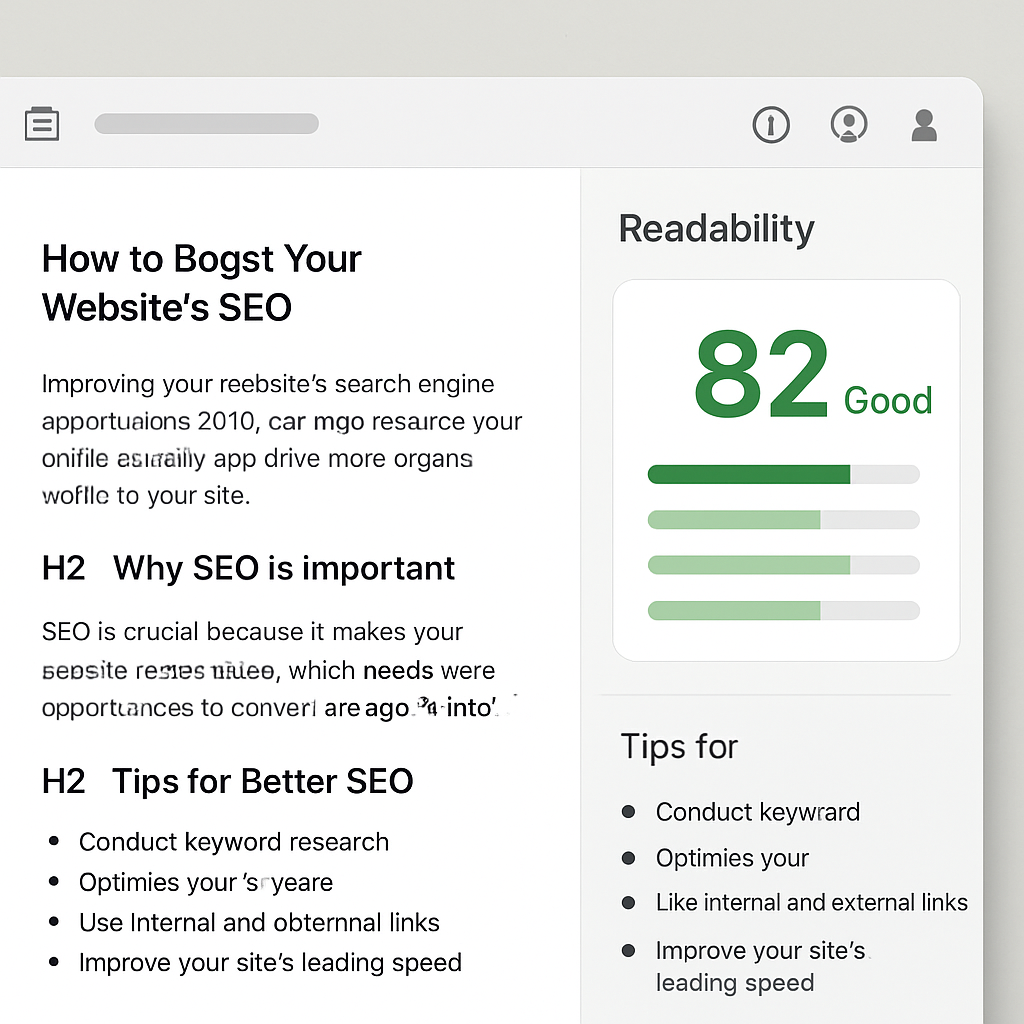
Incorporating these tools into your writing routine isn't just smart; it's essential if you want to stand out in today’s crowded digital landscape. Remember: good content isn’t just about what you say but how easily others can understand it.
So next time you're crafting a piece of content, think about how these platforms can enhance both readability and structure. A little optimization goes a long way in keeping readers engaged—and ultimately converting them into loyal customers!
Ever tried reading a blog post that felt more like a labyrinth than a straightforward journey? You know the type—walls of text, no clear direction, and the urge to click away faster than you can say bounce rate. That’s where content optimization platforms come in, transforming your writing from a confusing maze into a well-structured highway of information.
Let’s face it: readability isn’t just about using big words or fancy phrases. It’s about connecting with your audience. A study found that content with high readability can boost comprehension by up to 70%. If your goal is to engage readers and keep them on the page, optimizing for readability is non-negotiable.
The Role of Readability in SEO
Imagine you're a small e-commerce store selling eco-friendly products. You’ve got great items, but your blog posts are dense and hard to read. Visitors land on your site but leave before they even get to the good stuff—your amazing products! SEO writing tools can help you analyze sentence structure and suggest changes that enhance clarity without sacrificing your unique voice.
Platforms like Grammarly or Hemingway Editor not only catch grammar mistakes but also provide insights on how to simplify complex sentences. They act as your personal editors, helping you trim the fat while keeping the flavor.
Structuring Your Content for Success
A well-structured article is like a well-planned road trip: it has clear stops along the way, making it easy for readers to follow along. Content optimization platforms help you create outlines that guide readers through your narrative seamlessly. By using headings, subheadings, bullet points, and numbered lists effectively, you can break down complex topics into digestible chunks.
- Headings: Use H2 and H3 tags strategically to indicate hierarchy and importance.
- Bullet Points: Perfect for lists or key takeaways—quick bites of information that are easy to scan.
- Short Paragraphs: Keep them under four sentences for better readability; nobody wants to wade through an essay online!
Content structure directly impacts user engagement.
The Tools That Make It Happen
But which tools should you use? Good question! Look for platforms that offer features tailored specifically for enhancing readability and structure. Yoast SEO provides real-time feedback on how readable your content is while also ensuring you're hitting those crucial keyword targets.
Another great option is Surfer SEO, which not only analyzes readability but also compares your content against top-ranking pages in your niche. This way, you're not just optimizing blindly; you're making data-driven decisions that align with what works in the real world.
Incorporating these tools into your writing routine isn't just smart; it's essential if you want to stand out in today’s crowded digital landscape. Remember: good content isn’t just about what you say but how easily others can understand it.
So next time you're crafting a piece of content, think about how these platforms can enhance both readability and structure. A little optimization goes a long way in keeping readers engaged—and ultimately converting them into loyal customers!
SEO Auditing Tools: Assessing Content Performance and Compliance
Ever felt like your content is playing hide and seek with search engines? You’re not alone! Many businesses create fantastic content only to find it buried under layers of competing websites. This is where SEO auditing tools come into play, acting as the flashlight in your content’s dark corner.
In fact, a recent study revealed that 61% of marketers consider SEO audits crucial for their overall digital strategy. Yet, many still overlook these powerful tools, resulting in missed opportunities to enhance visibility and engagement.
The Importance of SEO Audits
Think about a local gym that’s just launched an amazing new fitness program. They write blog posts packed with tips and benefits but fail to optimize for relevant keywords or check their on-page SEO compliance. As a result, their content doesn’t reach the intended audience. SEO auditing tools help identify these gaps by analyzing various aspects of your content—from keyword usage to compliance with current SEO best practices.
- Identify technical issues that may hinder search engine crawling.
- Evaluate keyword performance and suggest optimizations.
- Analyze backlink profiles to assess authority and trustworthiness.
How to Conduct an Effective SEO Audit
So, how do you actually conduct an effective audit? Great question! Start by selecting the right tool—think Ahrefs or SEMrush—then follow these steps:
Ever felt like your content is playing hide and seek with search engines? You’re not alone! Many businesses create fantastic content only to find it buried under layers of competing websites. This is where SEO auditing tools come into play, acting as the flashlight in your content’s dark corner.
In fact, a recent study revealed that 61% of marketers consider SEO audits crucial for their overall digital strategy. Yet, many still overlook these powerful tools, resulting in missed opportunities to enhance visibility and engagement.
The Importance of SEO Audits
Think about a local gym that’s just launched an amazing new fitness program. They write blog posts packed with tips and benefits but fail to optimize for relevant keywords or check their on-page SEO compliance. As a result, their content doesn’t reach the intended audience. SEO auditing tools help identify these gaps by analyzing various aspects of your content—from keyword usage to compliance with current SEO best practices.
- Identify technical issues that may hinder search engine crawling.
- Evaluate keyword performance and suggest optimizations.
- Analyze backlink profiles to assess authority and trustworthiness.
How to Conduct an Effective SEO Audit
So, how do you actually conduct an effective audit? Great question! Start by selecting the right tool—think Ahrefs or SEMrush—then follow these steps:
Plagiarism Checkers: Ensuring Originality and Compliance
You might think that plagiarism is a problem only for students cramming for finals, but here’s a jaw-dropper: 30% of content published online is estimated to be plagiarized in some form. Yep, that’s a staggering amount of recycled words floating around the web! For content creators and businesses aiming to establish authority, that’s a nightmare waiting to happen.
Imagine you’re running a digital marketing agency, and you just crafted an article on the latest SEO trends. You hit publish, feeling like a rockstar—until you discover that your content closely resembles another blog post. Not only does this hurt your credibility, but it could also lead to penalties from search engines. This is where plagiarism checkers swoop in like superheroes to save the day.
Why Plagiarism Checkers Matter
Plagiarism checkers do more than just highlight copied text; they ensure your content maintains originality and adheres to compliance standards. This is crucial in today’s digital landscape where unique content reigns supreme. Tools like Copyscape or Grammarly can scan your text against billions of online sources, giving you peace of mind before hitting that publish button.
- Maintain your brand's integrity by ensuring all published content is original.
- Avoid potential legal issues associated with copyright infringement.
- Enhance your SEO efforts since search engines favor unique content.
Using plagiarism checkers can improve your content's credibility and SEO performance!
'What to Look For in a Plagiarism Checker
'Not all plagiarism checkers are created equal. When choosing one, consider features such as:
- 'Comprehensive database coverage: Ensure the tool checks against a wide range of sources.
- 'Real-time scanning: Instant feedback allows for quick edits.
- User-friendly interface: You want something that won’t require an engineering degree to navigate.
'By integrating these tools into your writing workflow, you not only protect your reputation but also enhance the quality of your work. So next time you’re crafting an article or blog post, don’t forget to give it a thorough check for originality before sharing it with the world!
You might think that plagiarism is a problem only for students cramming for finals, but here’s a jaw-dropper: 30% of content published online is estimated to be plagiarized in some form. Yep, that’s a staggering amount of recycled words floating around the web! For content creators and businesses aiming to establish authority, that’s a nightmare waiting to happen.
Imagine you’re running a digital marketing agency, and you just crafted an article on the latest SEO trends. You hit publish, feeling like a rockstar—until you discover that your content closely resembles another blog post. Not only does this hurt your credibility, but it could also lead to penalties from search engines. This is where plagiarism checkers swoop in like superheroes to save the day.
Why Plagiarism Checkers Matter
Plagiarism checkers do more than just highlight copied text; they ensure your content maintains originality and adheres to compliance standards. This is crucial in today’s digital landscape where unique content reigns supreme. Tools like Copyscape or Grammarly can scan your text against billions of online sources, giving you peace of mind before hitting that publish button.
- Maintain your brand's integrity by ensuring all published content is original.
- Avoid potential legal issues associated with copyright infringement.
- Enhance your SEO efforts since search engines favor unique content.
Using plagiarism checkers can improve your content's credibility and SEO performance!
'What to Look For in a Plagiarism Checker
'Not all plagiarism checkers are created equal. When choosing one, consider features such as:
- 'Comprehensive database coverage: Ensure the tool checks against a wide range of sources.
- 'Real-time scanning: Instant feedback allows for quick edits.
- User-friendly interface: You want something that won’t require an engineering degree to navigate.
'By integrating these tools into your writing workflow, you not only protect your reputation but also enhance the quality of your work. So next time you’re crafting an article or blog post, don’t forget to give it a thorough check for originality before sharing it with the world!
Analytics and Reporting Tools: Measuring Success Over Time
Think your content is doing fine just because it’s getting some views? Spoiler alert: looks can be deceiving! Just like a magician who distracts you with flashy tricks, your analytics might be hiding the real story behind your SEO efforts.
A staggering 70% of marketers say that measuring content performance is essential for refining their strategies. Yet, many still ignore the treasure trove of insights buried in their analytics dashboards. If you’re not using analytics and reporting tools, you might as well be flying blind in the vast digital sky.
The Power of Data-Driven Decisions
Imagine a small online clothing store that launched a new line of eco-friendly apparel. They post about it on social media, but without tracking engagement metrics, they have no clue if anyone actually cares. Enter analytics tools! These platforms help businesses like this one track user behavior, engagement rates, and conversion metrics—essentially acting as their digital compass.
- Monitor traffic sources to see where your visitors are coming from.
- Analyze bounce rates to determine if visitors are finding what they expect.
- Track conversion rates to measure how many visitors complete desired actions.
Data-driven decisions lead to better outcomes.
'Key Metrics to Focus On
'When it comes to SEO writing tools, not all metrics are created equal. It’s easy to get lost in a sea of numbers—page views, clicks, impressions—but what truly matters? Here are key performance indicators (KPIs) that should be at the forefront of your analysis:
- 'Organic Traffic: The number of visitors coming from search engines.
- 'Average Session Duration: How long users stay on your site—longer is better!
- 'Conversion Rate: The percentage of visitors completing a specific action (like making a purchase or signing up for a newsletter).
'Choosing the Right Analytics Tools
With so many options available, choosing the right analytics tool can feel overwhelming. Look for platforms that provide clear data visualizations and actionable insights tailored to your goals. Google Analytics remains a favorite due to its robust features and user-friendly interface, while SEMrush and Ahrefs offer specialized capabilities for SEO-focused analysis.

The bottom line? Analytics and reporting tools aren’t just nice-to-haves; they’re essential for any business serious about improving its content strategy. By regularly measuring success over time, you can pivot when necessary and ensure your SEO writing tools are truly working for you.
Next time you're crafting content or analyzing past performance, think about how these insights can shape your future strategies. Remember: knowledge is power—and in the world of SEO writing tools, data is king!
Think your content is doing fine just because it’s getting some views? Spoiler alert: looks can be deceiving! Just like a magician who distracts you with flashy tricks, your analytics might be hiding the real story behind your SEO efforts.
A staggering 70% of marketers say that measuring content performance is essential for refining their strategies. Yet, many still ignore the treasure trove of insights buried in their analytics dashboards. If you’re not using analytics and reporting tools, you might as well be flying blind in the vast digital sky.
The Power of Data-Driven Decisions
Imagine a small online clothing store that launched a new line of eco-friendly apparel. They post about it on social media, but without tracking engagement metrics, they have no clue if anyone actually cares. Enter analytics tools! These platforms help businesses like this one track user behavior, engagement rates, and conversion metrics—essentially acting as their digital compass.
- Monitor traffic sources to see where your visitors are coming from.
- Analyze bounce rates to determine if visitors are finding what they expect.
- Track conversion rates to measure how many visitors complete desired actions.
Data-driven decisions lead to better outcomes.
'Key Metrics to Focus On
'When it comes to SEO writing tools, not all metrics are created equal. It’s easy to get lost in a sea of numbers—page views, clicks, impressions—but what truly matters? Here are key performance indicators (KPIs) that should be at the forefront of your analysis:
- 'Organic Traffic: The number of visitors coming from search engines.
- 'Average Session Duration: How long users stay on your site—longer is better!
- 'Conversion Rate: The percentage of visitors completing a specific action (like making a purchase or signing up for a newsletter).
'Choosing the Right Analytics Tools
With so many options available, choosing the right analytics tool can feel overwhelming. Look for platforms that provide clear data visualizations and actionable insights tailored to your goals. Google Analytics remains a favorite due to its robust features and user-friendly interface, while SEMrush and Ahrefs offer specialized capabilities for SEO-focused analysis.
The bottom line? Analytics and reporting tools aren’t just nice-to-haves; they’re essential for any business serious about improving its content strategy. By regularly measuring success over time, you can pivot when necessary and ensure your SEO writing tools are truly working for you.
Next time you're crafting content or analyzing past performance, think about how these insights can shape your future strategies. Remember: knowledge is power—and in the world of SEO writing tools, data is king!
Collaborative Writing Tools: Streamlining Team Efforts in SEO Content Creation
Imagine you're part of a content team tasked with producing a series of blog posts on the latest trends in digital marketing. You’ve got ideas bouncing around like popcorn kernels in a hot pan, but without a way to organize those thoughts and collaborate effectively, it’s chaos. Enter collaborative writing tools—the unsung heroes of modern content creation.
A recent survey found that teams using collaborative writing tools are 50% more likely to meet their content deadlines. Why? Because these tools provide a centralized platform for brainstorming, drafting, and editing, allowing team members to contribute seamlessly without stepping on each other’s toes—or losing track of the latest version.
The Benefits of Collaborative Writing Tools
Think about it: when your marketing team consists of writers, designers, and SEO specialists all working together, communication is key. Collaborative writing tools allow everyone to comment on drafts in real-time, making it easier to incorporate feedback right away. No more endless email chains or confusing document versions! For example, a mid-sized travel agency might use Google Docs to draft articles about popular destinations, with their SEO specialist providing keyword suggestions as the writers craft their narratives.
- Real-time collaboration: Everyone can edit and comment simultaneously.
- Version control: Keep track of changes without losing previous drafts.
- Integrated feedback loops: Get input from different departments instantly.
'Choosing the Right Collaborative Writing Tool
'Not all collaborative writing tools are created equal. Some offer robust features while others focus on simplicity. If you're part of a growing marketing agency aiming for efficiency, consider tools like Notion or Microsoft Teams that integrate project management features alongside collaborative writing capabilities. This way, you can keep your content calendar organized while drafting engaging articles.
'Look for tools that align with your team's workflow—efficiency is everything!
'Common Pitfalls to Avoid
'While these tools are fantastic for streamlining efforts, it’s important to avoid common pitfalls such as over-complicating processes or neglecting user training. A team might start using multiple platforms for different tasks—one for writing, another for project management—which can lead to confusion and inefficiency. Stick to one or two integrated solutions that cover all your needs.
'In summary, collaborative writing tools are essential for any team looking to enhance their SEO content creation process. They foster communication and organization while driving productivity up significantly. So next time you’re gearing up for a big project with your team, consider how these tools can make your lives easier—and your content better!
Imagine you're part of a content team tasked with producing a series of blog posts on the latest trends in digital marketing. You’ve got ideas bouncing around like popcorn kernels in a hot pan, but without a way to organize those thoughts and collaborate effectively, it’s chaos. Enter collaborative writing tools—the unsung heroes of modern content creation.
A recent survey found that teams using collaborative writing tools are 50% more likely to meet their content deadlines. Why? Because these tools provide a centralized platform for brainstorming, drafting, and editing, allowing team members to contribute seamlessly without stepping on each other’s toes—or losing track of the latest version.
The Benefits of Collaborative Writing Tools
Think about it: when your marketing team consists of writers, designers, and SEO specialists all working together, communication is key. Collaborative writing tools allow everyone to comment on drafts in real-time, making it easier to incorporate feedback right away. No more endless email chains or confusing document versions! For example, a mid-sized travel agency might use Google Docs to draft articles about popular destinations, with their SEO specialist providing keyword suggestions as the writers craft their narratives.
- Real-time collaboration: Everyone can edit and comment simultaneously.
- Version control: Keep track of changes without losing previous drafts.
- Integrated feedback loops: Get input from different departments instantly.
'Choosing the Right Collaborative Writing Tool
'Not all collaborative writing tools are created equal. Some offer robust features while others focus on simplicity. If you're part of a growing marketing agency aiming for efficiency, consider tools like Notion or Microsoft Teams that integrate project management features alongside collaborative writing capabilities. This way, you can keep your content calendar organized while drafting engaging articles.
'Look for tools that align with your team's workflow—efficiency is everything!
'Common Pitfalls to Avoid
'While these tools are fantastic for streamlining efforts, it’s important to avoid common pitfalls such as over-complicating processes or neglecting user training. A team might start using multiple platforms for different tasks—one for writing, another for project management—which can lead to confusion and inefficiency. Stick to one or two integrated solutions that cover all your needs.
'In summary, collaborative writing tools are essential for any team looking to enhance their SEO content creation process. They foster communication and organization while driving productivity up significantly. So next time you’re gearing up for a big project with your team, consider how these tools can make your lives easier—and your content better!
Future Trends in SEO Writing Tools: Preparing for Evolving Algorithms
The SEO landscape is shifting faster than a cat on a hot tin roof. With search engines continuously evolving their algorithms, the tools we use to write and optimize our content must keep pace. Did you know that Google updates its algorithm over 500 times a year? That’s roughly once every 17 hours! So, if your SEO writing tools aren’t adapting, you might as well be using a typewriter in a digital world.
Let’s consider the implications of this constant change. Imagine you’re running an online fashion store that relies heavily on SEO to drive traffic. One day, your carefully crafted content is ranking beautifully for terms like summer dresses—and the next, you're nowhere to be found because of an algorithm tweak that favors video content over text. Without the right tools to analyze these shifts and adapt your strategy accordingly, your business could take a hit.
AI-Powered Insights
As artificial intelligence continues to advance, expect SEO writing tools to incorporate more AI-driven features. Think predictive analytics that can forecast trending topics based on user behavior or natural language processing that helps you write in a way that resonates with both readers and algorithms. For instance, imagine an SEO tool suggesting not just keywords but also related phrases and questions based on real-time data analysis from millions of search queries.
Voice Search Optimization
With voice search becoming increasingly popular—over 50% of searches are now voice-based—SEO writing tools will need to help users optimize for conversational language. This means focusing on long-tail keywords and natural phrasing rather than stiff, keyword-stuffed sentences. Picture this: instead of targeting best running shoes, you’ll want to gear your content towards what are the best running shoes for flat feet? It’s all about anticipating how people actually speak when they’re asking questions.
Content Quality Over Quantity
Content quality over quantity is not just a catchy phrase; it’s becoming the mantra of successful SEO strategies. Search engines are getting smarter at identifying high-quality content that genuinely serves user intent rather than just filling pages with words. This trend will push SEO writing tools to emphasize metrics like engagement rates and dwell time more than ever before.
The SEO landscape is shifting faster than a cat on a hot tin roof. With search engines continuously evolving their algorithms, the tools we use to write and optimize our content must keep pace. Did you know that Google updates its algorithm over 500 times a year? That’s roughly once every 17 hours! So, if your SEO writing tools aren’t adapting, you might as well be using a typewriter in a digital world.
Let’s consider the implications of this constant change. Imagine you’re running an online fashion store that relies heavily on SEO to drive traffic. One day, your carefully crafted content is ranking beautifully for terms like summer dresses—and the next, you're nowhere to be found because of an algorithm tweak that favors video content over text. Without the right tools to analyze these shifts and adapt your strategy accordingly, your business could take a hit.
AI-Powered Insights
As artificial intelligence continues to advance, expect SEO writing tools to incorporate more AI-driven features. Think predictive analytics that can forecast trending topics based on user behavior or natural language processing that helps you write in a way that resonates with both readers and algorithms. For instance, imagine an SEO tool suggesting not just keywords but also related phrases and questions based on real-time data analysis from millions of search queries.
Voice Search Optimization
With voice search becoming increasingly popular—over 50% of searches are now voice-based—SEO writing tools will need to help users optimize for conversational language. This means focusing on long-tail keywords and natural phrasing rather than stiff, keyword-stuffed sentences. Picture this: instead of targeting best running shoes, you’ll want to gear your content towards what are the best running shoes for flat feet? It’s all about anticipating how people actually speak when they’re asking questions.
Content Quality Over Quantity
Content quality over quantity is not just a catchy phrase; it’s becoming the mantra of successful SEO strategies. Search engines are getting smarter at identifying high-quality content that genuinely serves user intent rather than just filling pages with words. This trend will push SEO writing tools to emphasize metrics like engagement rates and dwell time more than ever before.