










Table of Contents
- 1 Understanding Dofollow vs Nofollow Links: What You Need to Know
- 1.1 Introduction
- 1.2 What are Dofollow Links?
- 1.3 What are Nofollow Links?
- 1.4 Dofollow vs Nofollow Links: Key Differences
- 1.5 The Impact on SEO Strategies
- 1.6 Tools for Managing Dofollow and Nofollow Links
- 1.7 External Linking Best Practices for SEO Success
- 1.8 Using Backlink Analysis Tools to Manage Link Types
- 1.9 Conclusion
- 1.10 Additional Resources and References
- 1.11 Frequently Asked Questions
Understanding Dofollow vs Nofollow Links: What You Need to Know
Introduction
Welcome to the wild world of links! If you’ve ever dipped your toes into the vast ocean of SEO, you’ve likely encountered the terms dofollow links and nofollow links. But what exactly do they mean? Are they just fancy jargon, or do they have real significance when it comes to your website’s visibility? Spoiler alert: they matter a lot!
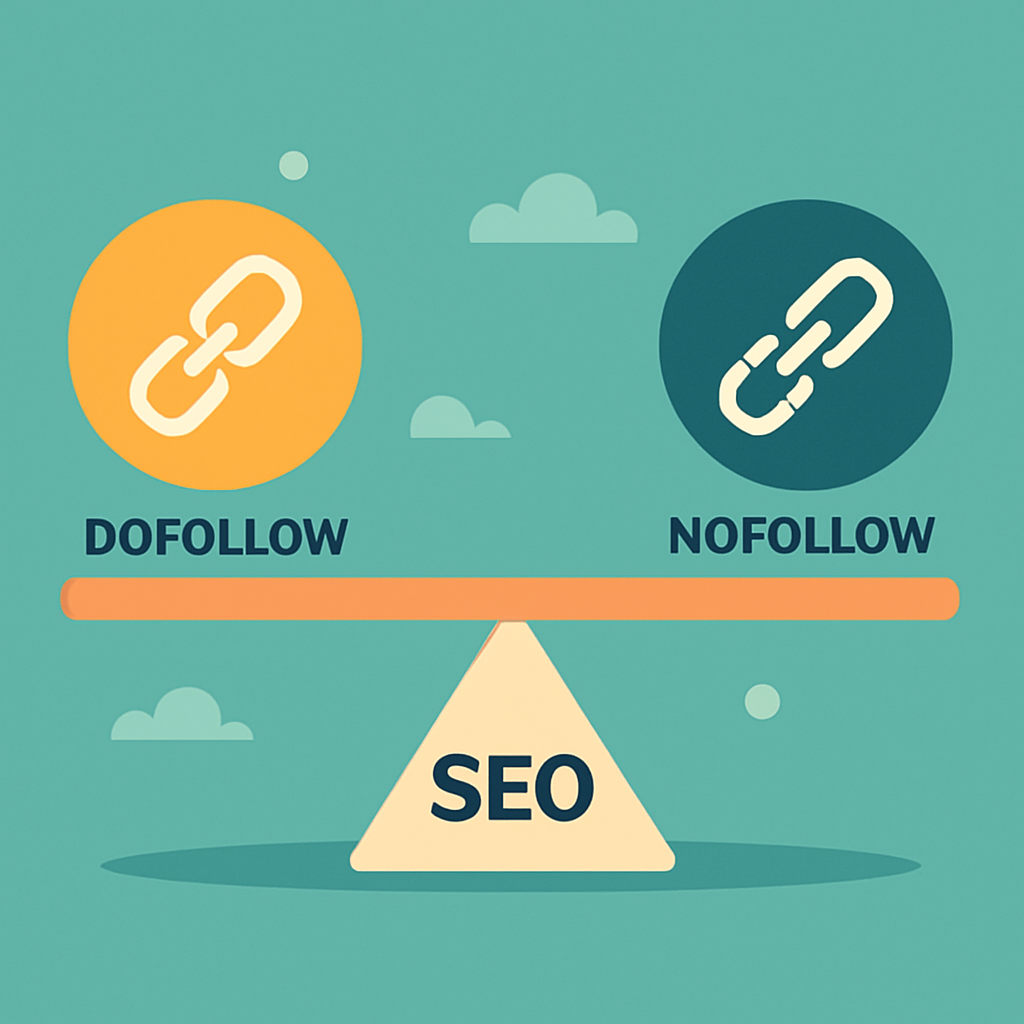
In this blog post, we’re diving deep into the do follow links vs nofollow debate. Think of it as a showdown between two superheroes in the SEO universe. On one side, we have dofollow links, the friendly neighborhood link builders that pass on link juice and boost your site’s authority. On the other side, we have nofollow links, the cautious guardians that prevent any juice from flowing through. Understanding the difference between dofollow and nofollow can be a game changer for your backlink strategies.
Did you know? As of 2021, approximately 65.5% of all backlinks on the web are nofollow links. This means if you’re ignoring them, you might be missing out on a big piece of the SEO pie! (source)
The importance of understanding these link types cannot be overstated. Whether you’re trying to improve your organic search ranking or manage your backlink profile for SEO success, knowing when to use dofollow links and when to opt for nofollow can make all the difference.
So buckle up as we explore how to use dofollow links, benefits of nofollow links, and everything in between! By the end of this post, you’ll not only grasp their importance but also master some killer SEO link building techniques. Ready? Let’s get started!

What are Dofollow Links?
Definition and characteristics
Let’s kick things off with the basics! Dofollow links are the golden tickets of the SEO world. When you create a hyperlink that doesn’t include a nofollow tag, it’s automatically a dofollow link. This means that search engines like Google will follow these links and pass on what we call link juice. Think of it as a high-five from one website to another, signaling to search engines that your site is trustworthy and worth checking out.
Here’s what makes dofollow links special:
- SEO Impact: They contribute positively to your site’s authority and help improve your organic search rankings.
- Link Equity: Dofollow links pass link equity, which is crucial for building a strong backlink profile.
- Trust Signals: They act as endorsements, indicating that you vouch for the linked content.
How dofollow links impact SEO
The SEO impact of dofollow links is significant. When search engines crawl your site and encounter these links, they see them as pathways leading to other valuable content. This can enhance your site’s visibility in search results. Here’s how:
- Boosting Authority: The more quality dofollow backlinks you have, the higher your domain authority climbs. It’s like collecting badges in a video game!
- Improving Rankings: A solid backlink profile filled with dofollow links can lead to better rankings on SERPs (Search Engine Results Pages).
- Driving Traffic: Quality backlinks not only help with SEO but can also drive referral traffic when users click through from other sites.
A common misconception is that all backlinks are created equal. Not true! The importance of dofollow backlinks lies in their ability to pass link juice and influence your overall SEO strategy.
The Google algorithm announced in 2019 that they would treat nofollow links as hints rather than directives for crawling and indexing. This shift means even nofollow links can have some impact on SEO now!
Examples of dofollow links in practice
You might be wondering where you can find these magical dofollow links. Here are some practical examples of how to use them effectively:
- Blogger Outreach: Partner with bloggers in your niche who will provide dofollow backlinks in their content.
- User-Generated Content: Encourage reviews or comments on your blog posts; if they’re linked back to their sites without a nofollow tag, voila!
- Pillar Content Links: Create comprehensive guides or resources that others want to link back to naturally-those are gold mines for dofollow opportunities!
Quick Tip: Always analyze the quality of the sites you’re getting dofollow links from. High-quality backlinks can significantly improve your backlink profile analysis.
The bottom line? Understanding dofollow vs nofollow, knowing when to use each type, and leveraging them effectively can elevate your link building strategies from basic to brilliant!
If you’re ready to dive deeper into mastering both types of links, stick around! We’ve got more insights coming up that will turn you into an SEO wizard.

What are Nofollow Links?
Definition and characteristics
Let’s break it down! Nofollow links are like the cautious friend who always reads the fine print before diving into a pool. These links contain a special HTML tag that tells search engines, “Hey, don’t pass any link juice here!” Essentially, when you add a nofollow tag to a hyperlink, you’re signaling to search engines that you don’t endorse the linked content. Think of it as saying, “I’m not responsible for what happens on the other side!”
Here’s what sets nofollow links apart:
- SEO Impact: They do not contribute to your site’s authority in the same way dofollow links do.
- Link Juice Prevention: Nofollow links prevent the passing of link equity, making them less valuable for SEO.
- Cautionary Signals: They indicate that you’re linking to content but aren’t necessarily vouching for its quality.
The purpose of nofollow links in web content
You might be wondering why anyone would want to use nofollow links if they don’t boost SEO directly. Well, they serve several important purposes!
- Preventing Spam: By using nofollow links in user-generated content (like comments), website owners can deter spammy backlinks from affecting their site’s credibility.
- Maintaining Control: If you’re linking to sites that you don’t fully trust or endorse, using nofollow helps you maintain your site’s integrity without risking link equity.
- Diverse Backlink Profile: A well-rounded backlink profile includes both dofollow and nofollow links. This balance can help with overall SEO strategies and avoid penalties from search engines.
Did You Know? According to Backlinko, websites with a higher percentage of dofollow links tend to rank higher in Google search results. However, having a mix of both types can create a more natural backlink profile! (source)
Nofollow links may not pass link juice, but they still play an essential role in your overall link building strategies. They help create a balanced approach that search engines favor!
Earning the dofollow half of that mix is usually the harder job. A relevance-matched backlink exchange is one way to build those links without cold outreach — provided the matching is driven by topical fit rather than raw volume.
Examples of nofollow links in practice
You’ll find nofollow links sprinkled throughout the web like confetti at a party. Here are some common scenarios where they pop up:
- Social Media Links: Most social media platforms automatically apply nofollow tags to external links shared on their sites.
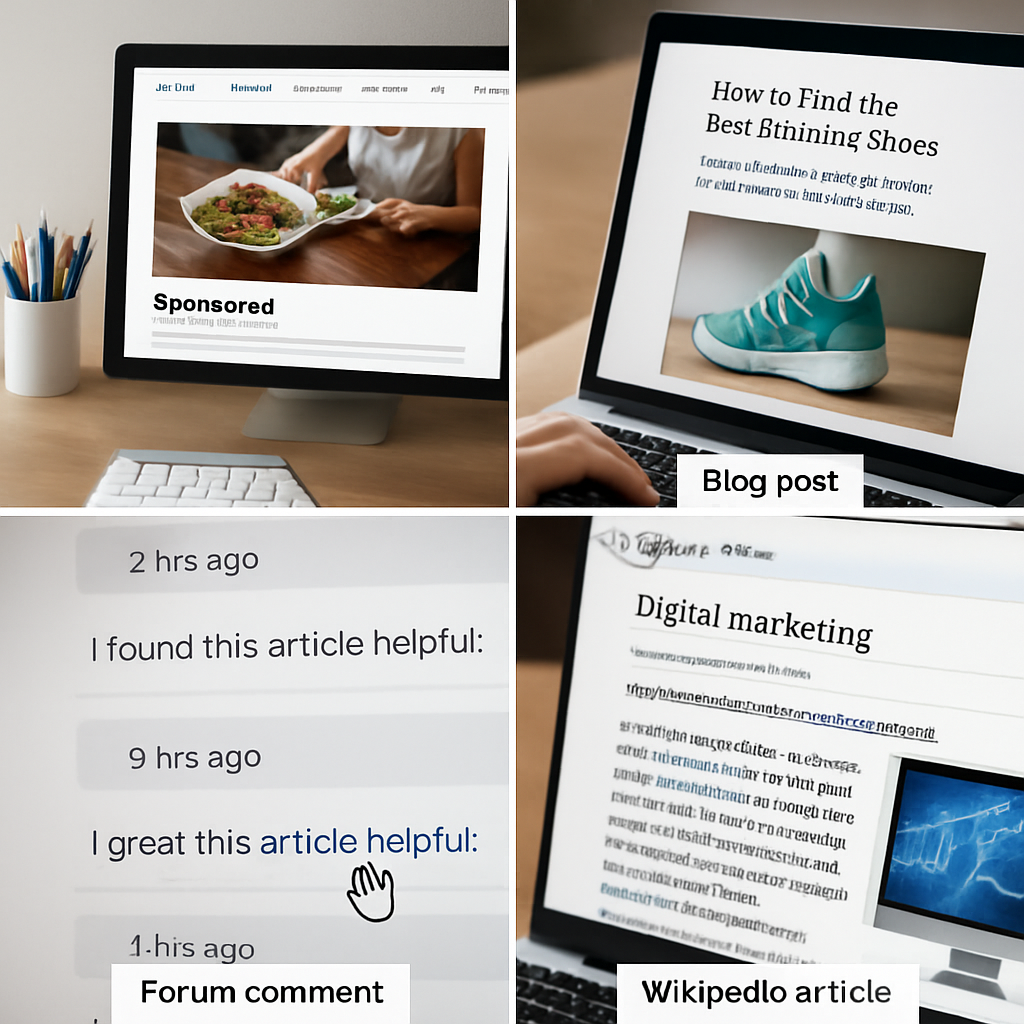
- User Comments: Many blogs and forums use nofollow on comments to prevent spammy backlinks while still allowing user interaction.
- Paid Advertisements: If you’re paying for ads or sponsored posts, those typically come with a nofollow tag as per Google’s guidelines.
The takeaway here is simple: just because a link is marked as nofollow doesn’t mean it’s worthless. They can still drive traffic and provide valuable referral opportunities!
If you’re eager to learn more about how both types of links fit into your overall SEO strategy, keep reading! We’ve got even more insights that will help you master the art of linking!
Dofollow vs Nofollow Links: Key Differences
SEO Benefits of Dofollow Links
Let’s get down to brass tacks! The benefits of dofollow links are as clear as a sunny day. These links are the backbone of your SEO link building techniques, and here’s why:
- Boosting Authority: Dofollow links contribute to your site’s authority, helping you climb the SERP ladder like a pro climber on a rock face.
- Passing Link Juice: They pass link juice, which is essential for enhancing your website’s credibility in the eyes of search engines.
- Improving Rankings: Quality dofollow backlinks can significantly improve your organic search ranking, making you more visible to potential visitors.
A common mistake is thinking that any link will do. Not all backlinks are created equal! Prioritizing dofollow links can supercharge your SEO efforts.
The Role of Nofollow Links in a Balanced Link Profile
Nofollow links might seem like the black sheep in the family, but they actually play a pivotal role in creating a balanced backlink profile. Here’s how:
- Deter Spam: Using nofollow links helps keep those pesky spammy backlinks at bay, ensuring your site remains credible and trustworthy.
- Diverse Strategy: A mix of both dofollow and nofollow links is essential for maintaining a natural-looking backlink profile that search engines favor.
- Control Over Endorsements: They allow you to link to content without vouching for its quality, keeping your site’s integrity intact.
Quick Insight: Balancing dofollow vs nofollow links can enhance your overall SEO strategy and prevent penalties from search engines!
Nofollow links may not pass link juice, but they still provide value by driving traffic and enhancing user experience. It’s all about leveraging them wisely!
When to Use Each Type of Link
The million-dollar question: when should you use dofollow links versus nofollow links? Here are some guidelines to help you navigate this tricky terrain:
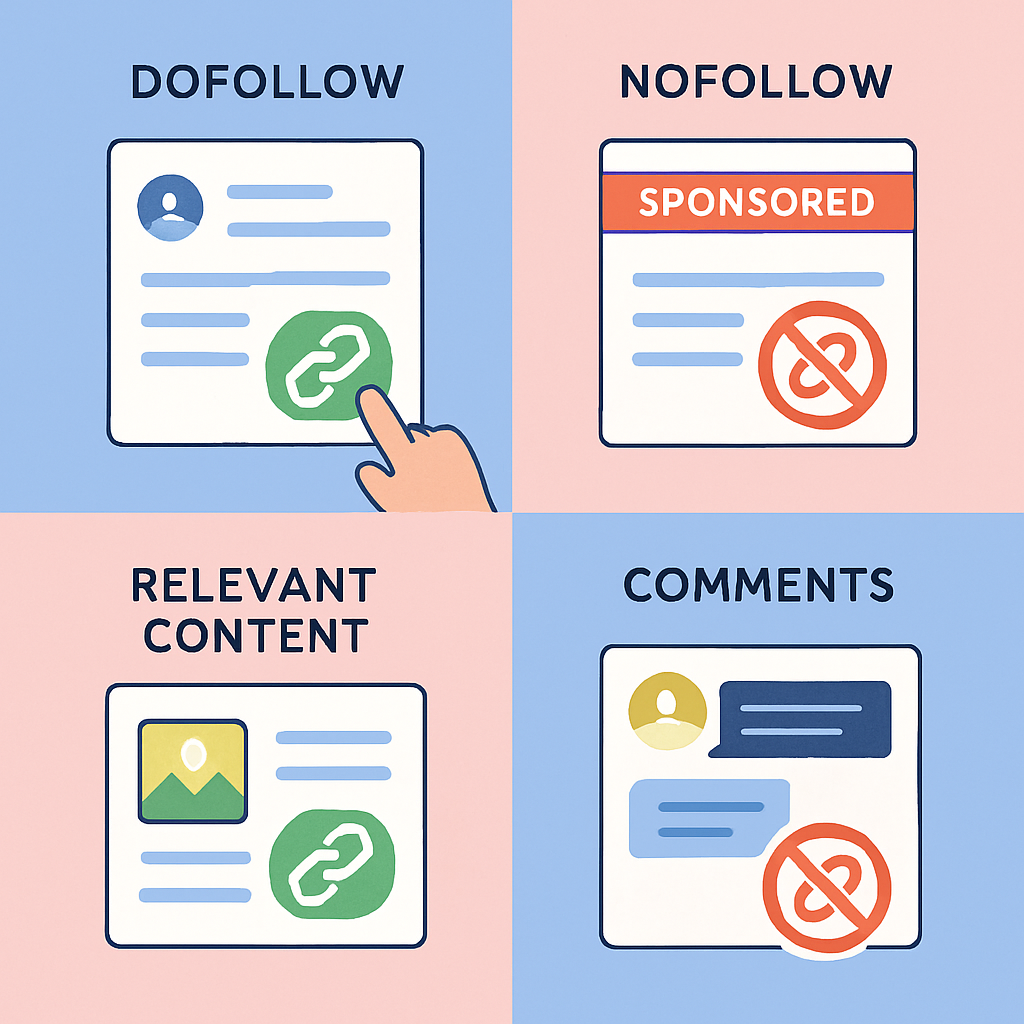
- Dofollow Links:
- Linking to Trusted Sources: Use them when you’re linking to high-quality, trustworthy sites that enhance your content’s credibility.
- User-Generated Content: Encourage legitimate user-generated content that adds value; these can be great opportunities for dofollow links!
- Pillar Content Creation: When creating comprehensive guides or resources, aim for dofollow backlinks from authoritative sites.
- Nofollow Links:
- User Comments & Forums: Utilize these in comments or forums where spam could be an issue-protect your site’s reputation!
- Sponsorships & Ads: If you’re paying for ads or sponsored posts, use nofollow tags as per Google’s guidelines to avoid penalties.
- Cautionary Linking: When linking to sites that aren’t fully trusted, nofollow allows you to maintain control over what you’re endorsing.
The takeaway? Understanding when to use dofollow and nofollow links, along with their respective benefits, can elevate your backlink strategies. Now that you’re equipped with this knowledge, go forth and conquer the SEO landscape!
The Impact on SEO Strategies
The significance of link building for SEO success
In the grand chess game of search engine optimization, link building is your queen-powerful and versatile. Understanding the do follow links vs nofollow dynamic can dramatically influence your strategy. Dofollow links serve as endorsements, boosting your site’s authority and helping you climb those SERP ranks. Meanwhile, nofollow links, while they don’t pass link juice, contribute to a healthy backlink profile that keeps search engines happy.
Here’s why link building is crucial:
- Authority Building: The more quality backlinks you have, especially dofollow ones, the greater your site’s authority in the eyes of search engines.
- Diverse Traffic Sources: A well-rounded backlink profile attracts traffic from various sources, enhancing user engagement.
- Search Engine Trust: A balanced mix of dofollow and nofollow links signals to search engines that you’re not just chasing rankings but are genuinely engaging with the web.
How to incorporate both types of links effectively
Navigating the waters of link building strategies can feel like trying to find a needle in a haystack. But fear not! Here’s how to effectively incorporate both dofollow and nofollow links into your strategy:
- Create Quality Content: High-quality content naturally attracts dofollow links from other sites eager to reference your work.
- User Engagement: Encourage comments on your blog or forums where users can share their thoughts-just remember to use nofollow tags to keep spam at bay!
- Pillar Content Links: Develop comprehensive guides that others want to link back to; these are prime opportunities for dofollow backlinks!
- Nofollow for Safety: Use nofollow on any user-generated content or external ads to maintain control over your site’s integrity.
Pro Tip: Regularly analyze your backlink profile. Tools like Ranklytics can help you identify which types of links are driving value and which need adjusting.
The key takeaway? A harmonious blend of dofollow and nofollow links will not only fortify your SEO impact but also create a more organic-looking backlink profile!
Cautions and best practices for using nofollow links
Nofollow links might seem like the awkward cousin at family gatherings-often overlooked but still important! Here are some best practices when incorporating them into your strategy:
- Avoid Overuse: While it’s tempting to slap a nofollow tag on everything, overdoing it can signal desperation. Use them wisely!
- Diversity is Key: Ensure you’re not just relying on nofollow links; balance is vital for maintaining credibility with search engines.
- User-Generated Content Management: Use nofollow tags in comments or forums where spam could flourish. You want engagement without the mess!
- Sponsorships & Ads Compliance: Always apply nofollow tags on sponsored posts or ads per Google’s guidelines-it’s like wearing a seatbelt in a car; better safe than sorry!
The bottom line? While nofollow links may not pass link juice, they play an essential role in protecting your site’s integrity and diversifying your backlink portfolio. Ignoring them could lead to missed opportunities in traffic and engagement!
If you’re ready to take charge of your SEO journey with both dofollow and nofollow strategies, stay tuned! We’ve got more insights coming up that will help you master every aspect of linking!
Tools for Managing Dofollow and Nofollow Links
Overview of tools available for link analysis and management
In the ever-evolving landscape of SEO, having the right tools at your disposal is like having a Swiss Army knife in a survival situation. When it comes to managing dofollow and nofollow links, several tools can help you analyze, track, and optimize your backlink profile effectively. Here’s a rundown of some top contenders:
- Ahrefs: This powerhouse tool provides comprehensive backlink analysis, allowing you to see which links are dofollow or nofollow. You can also track your competitors’ link profiles to find new opportunities!
- SEMrush: With its robust link building toolkit, SEMrush helps you identify the importance of dofollow backlinks versus nofollow ones in your strategy.
- Google Search Console: A must-have for any website owner! It provides insights into how Google views your links, including which ones are passing link juice.
- Ranklytics: This tool stands out in managing both types of links effectively. It offers features that allow you to monitor your backlink profile and adjust strategies based on performance.
The key here is to leverage these tools not just for tracking but also for strategic planning. Regularly conducting backlink profile analysis can help you understand the SEO impact of dofollow links versus nofollow links and adjust your approach accordingly.

How Ranklytics can assist with managing link types effectively
If you’re looking for a dedicated solution to streamline your link management efforts, look no further than Ranklytics! This AI-enabled SEO tool is designed with features that specifically cater to understanding dofollow vs nofollow. Here’s how it can enhance your strategies:
- User-Friendly Interface: Ranklytics offers an intuitive dashboard that makes it easy to visualize both dofollow and nofollow links within your profile.
- A.I.-Driven Insights: The tool uses AI algorithms to provide actionable recommendations on how to balance your link types effectively, maximizing the benefits of each.
- Performance Tracking: Keep tabs on how changes in your backlink strategy affect overall site performance. This feature is crucial for understanding the SEO impact of dofollow links.
- Cohesive Reporting: Generate reports that break down the effectiveness of both link types over time, helping you refine your link building strategies.
The takeaway? Using Ranklytics allows you not only to manage but also optimize your backlink strategy by focusing on the importance of balancing dofollow and nofollow links!
The bottom line? In today’s competitive SEO landscape, leveraging tools like Ranklytics can make all the difference in mastering the art of linking. Whether you’re crafting content or analyzing existing backlinks, having a solid grasp on both dofollow and nofollow links will set you up for success!
External Linking Best Practices for SEO Success
When it comes to SEO, external linking is like throwing a party and inviting all the coolest kids in school. You want to make sure that your invitations (a.k.a. links) are sent out wisely to boost your website authority and improve your search engine optimization. Here are some best practices to ensure you’re not just sending invites willy-nilly but strategically building your online reputation.
Navigating Internal Linking SEO Strategies
Before we dive deep into external links, let’s not forget about internal linking. Think of it as the friendly tour guide that shows visitors around your site. A well-structured internal linking strategy helps search engines crawl your site effectively, enhancing user experience and keeping visitors glued to your content.
The Importance of External Linking for Authority Building
External links are crucial for establishing credibility. By linking to high-authority sites, you’re essentially saying, “Hey, I know what I’m talking about!” This can lead to a better backlink profile and improved rankings in search results. Here’s how:
- Link to Relevant Sources: Ensure that the sites you link to are relevant and reputable. This not only helps with SEO but also provides value to your readers.
- Diversify Your Links: Mix it up! Use a combination of dofollow links (to pass link juice) and nofollow links (for credibility without passing link equity).
- Avoid Over-Optimizing Anchor Text: While anchor text optimization is important, don’t go overboard with exact match keywords. Keep it natural!
Crawling and Indexing Implications for Web Pages with Mixed Link Types
Your choice between dofollow vs nofollow links can significantly impact how search engines perceive your site. Here’s what you need to keep in mind:
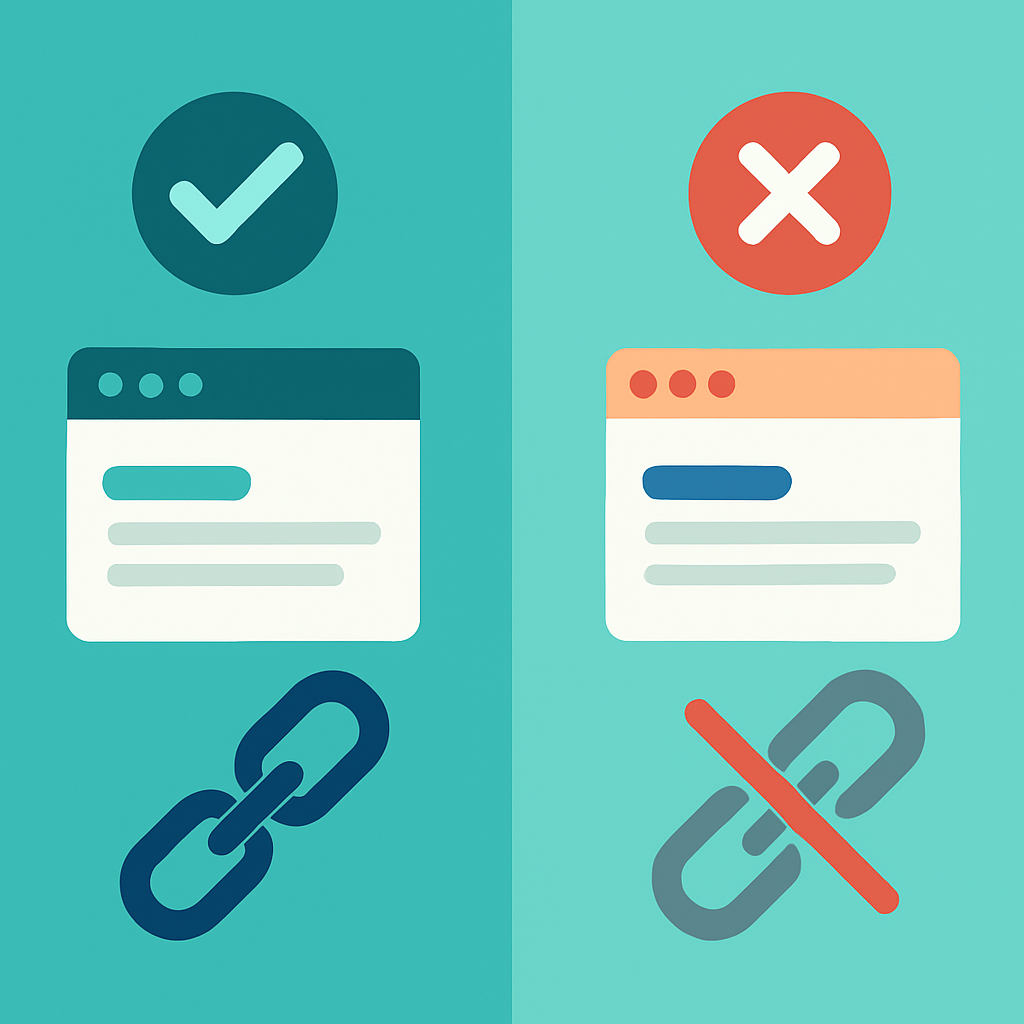
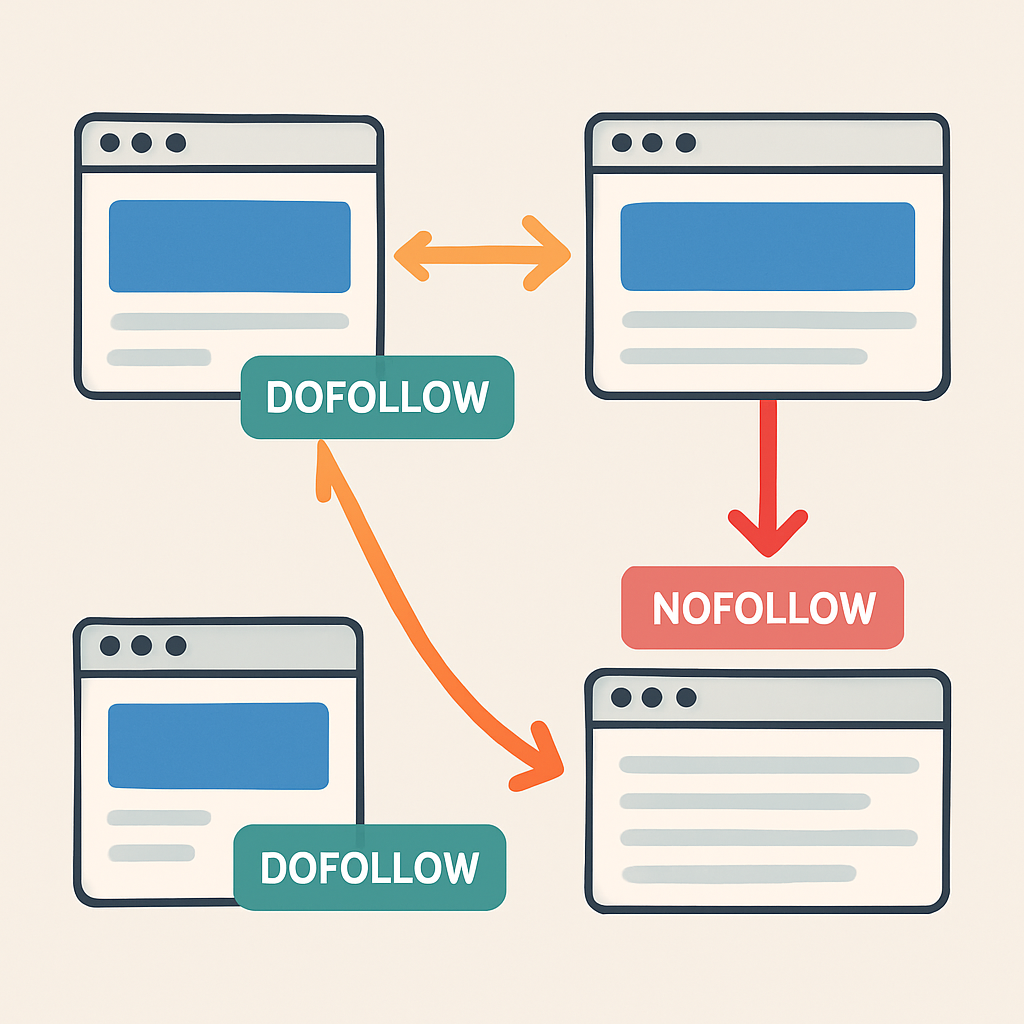
- Dofollow Links: These allow search engines to follow the link and pass on link equity, boosting both the linked page’s authority and yours.
- Nofollow Links: While these don’t pass on link juice, they can still drive traffic and contribute positively by associating your content with reputable sources.
- Monitor Your Outbound Links: Regularly check the health of the sites you’re linking out to. If they become spammy or irrelevant, it might be time for a cleanup!
Key Takeaway: A balanced approach between dofollow and nofollow links not only enhances your backlink strategy but also helps in maintaining a healthy backlink profile that appeals to both users and search engines alike.
Using Backlink Analysis Tools to Manage Link Types
In the grand chess game of SEO, backlink analysis tools are your trusty pawns, helping you make strategic moves against the competition. These tools provide insights that can transform your approach to dofollow vs nofollow links, ensuring your backlink strategy is not just reactive but proactive.
First off, let’s talk about what these tools can do for you. They allow you to:
- Analyze Your Backlink Profile: Understand the composition of your backlinks how many are dofollow vs nofollow, and their respective qualities.
- Identify Authority Links: Discover high-quality backlinks that can boost your site’s authority and improve Google ranking factors.
- Monitor Competitors: See what types of links competitors are acquiring and how they structure their backlink strategies.
An excellent example of a backlink analysis tool is Ahrefs. It offers a comprehensive overview of your link building strategies, highlighting which pages are gaining traction through dofollow links and which ones might be languishing due to an over-reliance on nofollow links. This kind of insight is crucial for optimizing your overall SEO strategy.
The Importance of Balancing Dofollow and Nofollow Links
A common misconception is that only dofollow links matter. While they certainly pass link equity and contribute to PageRank distribution, nofollow links also play a vital role in maintaining a healthy backlink profile. They help with:
- Diversification: A variety of link types can enhance credibility in the eyes of search engines.
- Crawlability: Properly placed nofollow links can guide crawlers through your site without diluting the value passed by dofollow links.
- User Experience: Sometimes, you want to link to resources without endorsing them fully this is where nofollow shines!
Key Takeaway: Utilize backlink analysis tools not just for tracking dofollow vs nofollow ratios but also for refining your entire linking approach. Aim for a balanced mix that enhances both user experience and SEO performance!
The next step? Dive into these tools! Whether it’s SEMrush, Moz, or Majestic, find one that fits your needs and start analyzing. Look out for trends in your data; perhaps you’ll discover new opportunities or hidden pitfalls in your link building strategies.
Conclusion
Summary of key points discussed
As we wrap up our exploration of dofollow links vs nofollow, let’s recap the main takeaways. Dofollow links are your SEO allies, boosting your site’s authority and passing valuable link juice, while nofollow links play a crucial role in maintaining a balanced backlink profile. Understanding the difference between dofollow and nofollow is essential for effective link building strategies.
- Dofollow Links: Enhance authority, improve rankings, and drive traffic.
- Nofollow Links: Prevent spam, maintain control over endorsements, and contribute to a diverse backlink profile.
- Link Balance: A healthy mix of both types of links signals to search engines that you’re engaging responsibly with the web.
The importance of understanding dofollow vs nofollow for SEO success
Grasping the nuances of dofollow vs nofollow is not just a nice-to-have; it’s a must-have for anyone serious about SEO. The SEO impact of dofollow links can be profound, but ignoring the benefits of nofollow links could leave your strategy lopsided. By mastering when to use each type, you can optimize your backlink profile like a pro!
Pro Insight: Regularly analyzing your backlinks can reveal opportunities for improvement and help you adjust strategies based on performance metrics!
Encouragement to analyze and optimize link strategies regularly
The digital landscape is always changing, and so should your approach to linking! Make it a habit to review your backlink strategies. Tools like Ranklytics can help you keep tabs on how both dofollow and nofollow links are performing. A little maintenance goes a long way in ensuring that you’re maximizing your SEO efforts!
The bottom line? Stay curious! The world of search engine optimization and backlinks is ever-evolving, so keep learning about how to balance those dofollow and nofollow links effectively. Your future self (and search rankings) will thank you!
Additional Resources and References
Now that you’re armed with knowledge about dofollow links vs nofollow, you might be wondering where to dig deeper. Fear not! Here’s a treasure trove of resources that will help you navigate the intricate world of links and their impact on your SEO strategies.
Online Guides and Articles
- Moz’s Beginner’s Guide to Link Building: A comprehensive guide that covers everything from the basics of link building to advanced strategies.
- Ahrefs on Nofollow Links: A detailed look at how nofollow links work and their relevance in today’s SEO landscape.
- Backlinko’s Analysis of Nofollow Links: Insights on the role of nofollow links in a successful backlink strategy.
- Search Engine Journal’s Take on Dofollow vs Nofollow: An informative article discussing the implications of both link types for SEO.
SEO Tools for Link Management
- Ranklytics: An AI-enabled tool specifically designed for managing your backlink profile, helping you analyze both dofollow and nofollow links effectively.
- SEMrush: Offers robust features for tracking your backlinks and understanding their impact on your SEO efforts.
- Ahrefs: A powerful tool for analyzing your website’s backlinks, including distinguishing between dofollow and nofollow links.
- Google Search Console: Essential for monitoring how Google views your site, including insights into your link profile.
YouTube Channels and Webinars
- Moz YouTube Channel: Great for visual learners, with plenty of content covering link building and SEO best practices.
- Backlinko YouTube Channel: Packed with valuable insights on backlinks, including strategies for leveraging both dofollow and nofollow links effectively.
- Neil Patel’s Channel: Offers a wealth of information about SEO trends, including practical advice on link building strategies.
E-books and Research Papers
- Search Engine Journal Whitepapers: Various whitepapers exploring different aspects of SEO, including linking strategies.
- Moz’s Link Building E-book: A thorough exploration of link building techniques, complete with actionable tips!
The key takeaway? Regularly updating your knowledge about dofollow vs nofollow links, along with utilizing these resources, can significantly enhance your SEO strategies. Dive into these materials to sharpen your skills, stay informed about industry trends, and keep those search rankings climbing!
Frequently Asked Questions

Written by
Michael TorresMichael is an SEO analyst and data nerd obsessed with rank tracking, SERP trends, and algorithm updates. He has spent the last 6 years turning search data into actionable content strategies for startups and growth-stage companies.