











Table of Contents
- 1 7 Tactical Steps to Improve Search Engine Ranking for Small Websites
- 1.1 1. Target the right keywords: long tail, intent first
- 1.2 2. Optimize on page elements for relevance and click throughs
- 1.3 3. Build topical clusters and internal linking to boost topical authority
- 1.4 4. Fix technical quick wins that restore crawlability and speed
- 1.5 5. Prioritize internal linking and manage crawl budget
- 1.6 6. Use AI enabled workflows to plan, write, and track optimized content with Ranklytics
- 1.7 7. Earn targeted backlinks and local signals that compound rankings
7 Tactical Steps to Improve Search Engine Ranking for Small Websites
Small websites often lose search visibility because time and resources are limited. This post shows seven tactical steps you can implement within weeks to improve search engine ranking and increase organic traffic, covering keyword targeting, on page and technical fixes, content clusters, internal linking, outreach, and lightweight AI enabled workflows. I also show how to use Ranklytics for planning, briefing, and tracking so you can publish faster and measure impact.
1. Target the right keywords: long tail, intent first
Target long tail, intent first. Small sites cannot outrank incumbents for broad head terms; your fastest wins come from low competition phrases where the searcher intent matches a page you can publish this week.
How to find and prioritize the right long tail phrases
- Export real queries from
Google Search Console: grab queries with impressions, clicks, CTR and position for the last 3 months and sort by impressions with low clicks to find opportunity queries. Use Google Search Central as a reference. - Filter for intent and modifiers: add buyer or local modifiers – words like buy, near me, price, best for, service – then mark intent as transactional, commercial investigation, or local.
- Check competition and difficulty: run target phrases through Ahrefs Keywords Explorer or Keywords Everywhere to confirm low difficulty and realistic volume. See Ahrefs on building topical authority.
- Augment with Ranklytics suggestions: import GSC queries into Ranklytics to surface adjacent long tails, see recommended search intent, and generate content brief starters. See Ranklytics AI SEO Tools explained.
- Prioritize actionable matches: pick keywords that map cleanly to an existing page or a single new landing page you can build in under a week.
Practical tradeoff: long tail keywords convert better and are faster to rank for, but individual queries have low volume. Do not treat long tail as a long term replacement for broader topical authority – treat them as low friction tests that validate demand and generate early traffic.
Concrete example: a local coffee roaster exported GSC queries and found impressions for buy micro roastery beans near me. They created a focused landing page with local business details, SKU availability, and click to call. Within 6 weeks the page moved from position 50 to the top 5 for that phrase and produced measurable phone orders.
Judgment call: prioritize keywords that already show impressions in your GSC data. Chasing zero impression keywords is speculative; invest first in turning existing visibility into clicks by matching intent, not just density.
Prioritize intent match over raw search volume – a small pool of high intent long tails will boost conversions and rankings faster than chasing broad keywords.
Context that matters: 75 percent of consumers admit they judge a business credibility based on its search engine ranking – improving visibility for the queries that matter actually affects customer behavior. See the BrightLocal study.

Next step: export GSC, pick 6 buyer or local intent long tails, and map each to a page to optimize this week. Track position and clicks weekly and reallocate effort to phrases that show early gains.
2. Optimize on page elements for relevance and click throughs
On-page text and snippets move the needle fastest when you already have impressions. If a page appears in results but gets few clicks, rewriting the title tag, meta description, and visible H1 to match user intent will give you measurable gains in days to weeks. This is about increasing relevance for users and improving CTR in the SERPs, not gaming rankings with keyword stuffing.
Title tags, meta descriptions, and visible headers
Title best practice: put the primary intent phrase near the start, keep it natural, and use power triggers or numbers when appropriate. Titles are frequently truncated on mobile so preview for mobile pixel width, not just character count.
Meta descriptions: write for clarity and CTA. Meta text is not a ranking signal but it shapes clicks. Avoid repeating the title verbatim; add one strong reason to click such as a USP, price, or urgency.
- Checklist to implement now: unique title and meta per page; H1 mirrors title intent but is readable; include target keyword once near the front of the H1; short, logical URL slug with the keyword; descriptive
alttext for main images. - Practical limit: don’t cram multiple keywords into titles. Over-optimized titles read spammy and reduce CTR in practice.
- Measurement: use Google Search Console Performance to compare CTR and clicks before and after edits over 2 to 6 weeks.
Structured data and SERP features that increase real clicks
Implement schema that matches visible page content – FAQ, Product, LocalBusiness, and Recipe markup commonly lift CTR by unlocking rich results. Use the Rich Results Test and follow Google Search Central guidance to avoid markup that conflicts with page text.
Tradeoff: schema increases chance of rich snippets but does not guarantee them. Prioritize markup for pages where higher CTR provides real business value.
- Add FAQ schema for common buyer questions on product and landing pages.
- Mark up price and availability with Product schema on ecommerce pages.
- Add LocalBusiness schema and keep NAP consistent for local intent pages.
Concrete example: A small bakery changed product titles from Sourdough Starter to Buy Organic Sourdough Starter Kit – Free Shipping, shortened the URL to /sourdough-starter-kit, and added FAQ schema answering shipping and shelf life questions. Impressions were stable but CTR rose within two weeks, increasing organic orders without new backlinks.
Focus edits on pages that already have impressions. Small CTR improvements there give far better ROI than reworking pages with zero impressions.
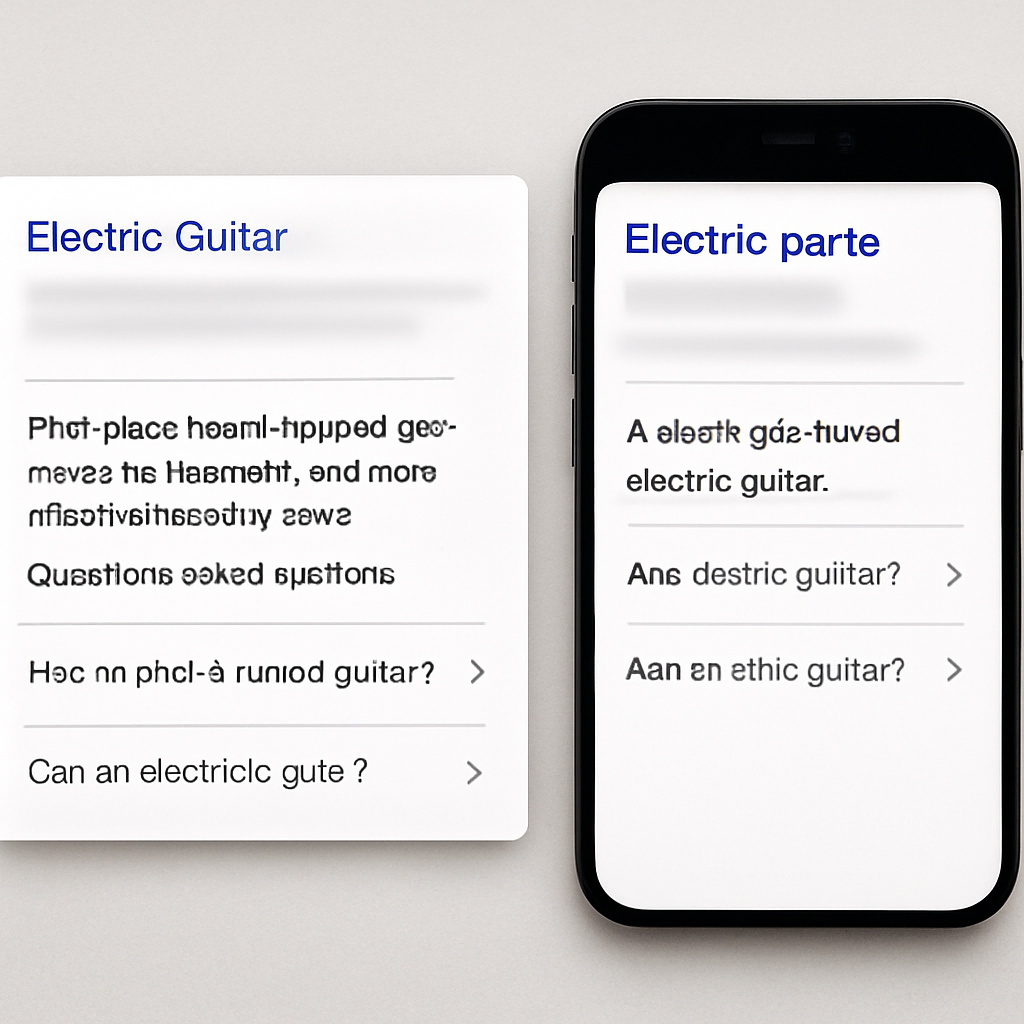
Next consideration: After updating tags and schema, track impression-to-click changes in GSC and use that signal to prioritize which pages deserve deeper content rewrites or A/B style experiments using distinct page variants and monitoring in Ranklytics or Search Console.
Topical clusters and deliberate internal linking are the single most cost effective way small sites can improve search engine ranking without expensive link campaigns. Focused clusters let you concentrate scarce content and linking power on a few business-critical topics so pages rise together instead of competing against each other.
A useful mental model is PageRank flow mapped to topic coverage: the pillar is the bucket you want to fill with authority, cluster posts are targeted feeders, and internal links are the valves that direct authority. Use descriptive anchors, keep cluster posts narrowly focused on long tail intent, and make sure the pillar page synthesizes and links out to the best clusters.
Step by step cluster framework
- Select one pillar topic: pick a revenue oriented topic with several related long tail queries you can realistically rank for.
- Create 4 to 8 cluster posts: each targets a distinct long tail intent. Keep them 600 1500 words depending on intent and depth.
- Link inward to the pillar: from each cluster use 1 to 3 contextual links pointing to the pillar with descriptive anchor text, not identical exact match repeatedly.
- Use the pillar to link out: the pillar should link to every cluster and to your top conversion pages so authority flows both ways.
- Prune noise: noindex thin tag pages and archive pages that dilute internal linking equity. Keep important pages within three clicks of the homepage.
- Measure and iterate: track impressions and positions for cluster keywords in Google Search Console and in Ranklytics; rework cluster pages that underperform after 8 weeks.
Tradeoff and limitation: building clusters takes time and editorial cost. If you publish weak, repetitive cluster content the net effect is dilution not lift. Better to launch four well researched cluster posts and one strong pillar than ten thin variants that compete for the same phrase.
Practical tooling: run a site crawl with Screaming Frog to find orphan pages and the Google Search Console Links report to see current internal link distribution. Use Ranklytics to generate briefs and track internal link impact; see AI SEO Tools Explained for how to automate briefs and tracking. For strategy context read Ahrefs on building topical authority.
Concrete example: a small bakery created a pillar page on Sourdough Baking Basics and published six cluster posts each answering a specific how to or troubleshooting query. They added a contextual internal link from each cluster to the pillar using varied descriptive anchors, removed three orphan recipe pages, and within ten weeks saw the pillar and four cluster pages climb into the top 20 for their target long tail terms.
Key point: internal linking multiplies the impact of good content but will not rescue thin or irrelevant pages.
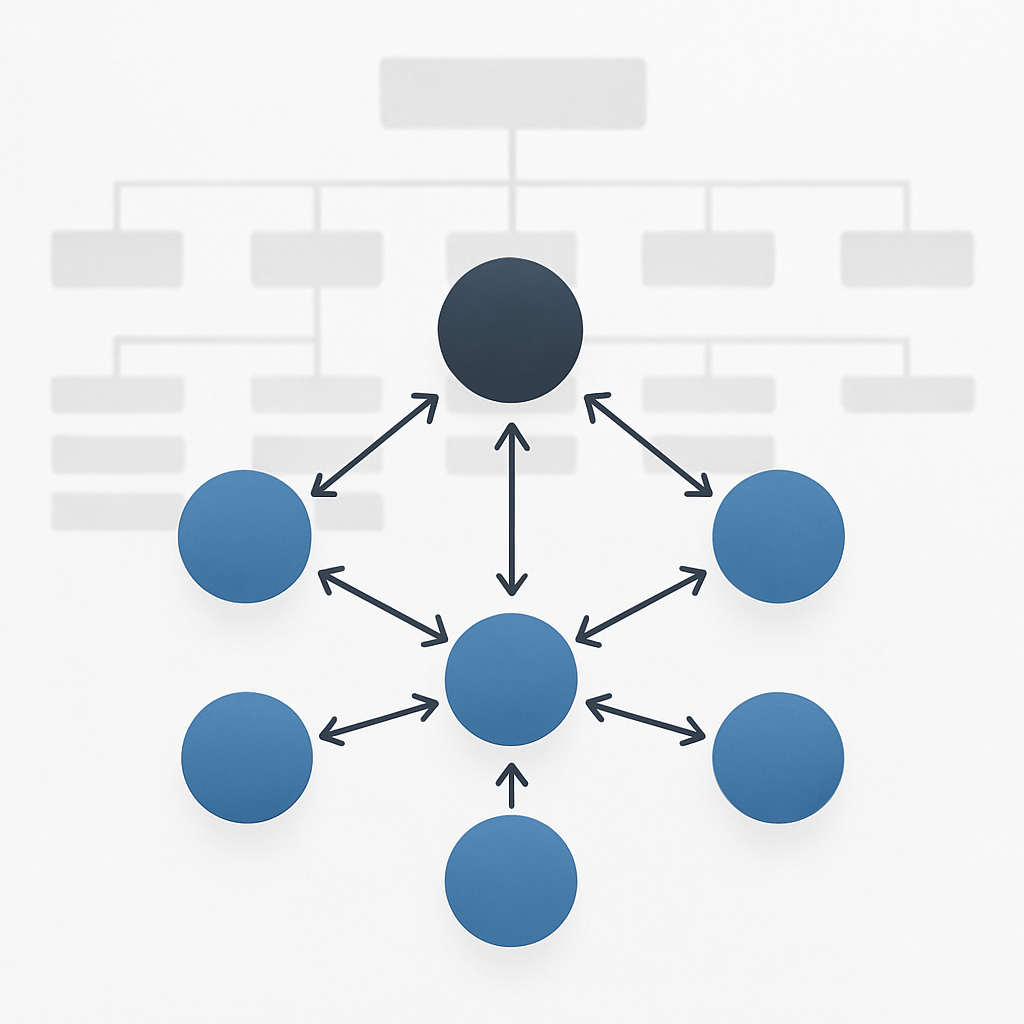
Next consideration: pick one pillar you can reasonably produce high quality content for this month, build 4 clusters, and map internal links before starting outreach or additional technical work.
4. Fix technical quick wins that restore crawlability and speed
Start with the crawl path and the Largest Contentful Paint. Small sites get the biggest immediate lift by removing obstacles that stop Googlebot and by shaving seconds off page load for real users. Run focused checks, fix high impact items first, then re-measure.
Quick audit checklist
- Run Lighthouse and PageSpeed Insights for the problem pages and capture LCP, INP/FID, CLS, and the performance filmstrip. Use Core Web Vitals for thresholds.
- Check Google Search Console for crawl errors, indexing status, and sitemap issues via Google Search Central.
- Inspect robots.txt and meta robots to ensure noindex or disallow rules are not blocking important pages.
- Audit redirect chains and 4xx/5xx spikes with a crawler or your host logs; fix server errors and long redirect chains.
- Identify heavy third party scripts and measure their cost in the network waterfall using Chrome DevTools.
High impact fixes you can do in a day or two
Implement fast wins in priority order. Compress and convert images to WebP or AVIF, enable Brotli or Gzip on the server, set cache-control and stale-while-revalidate headers, and serve critical CSS inline for above the fold content.
- Hero image LCP rule: keep the main above the fold image out of lazy load so it counts for LCP, compress to WebP/AVIF, and resize to the exact display size.
- Remove render blocking JS: defer nonessential scripts, async analytics where possible, and consider delaying chat widgets until user interaction.
- Sitemap and canonical hygiene: submit an up to date
sitemap.xml, remove index bloat from tag or archive pages, and fix incorrect canonical tags.
Concrete Example: A small ecommerce site compressed hero images to WebP, enabled server side caching, and removed a slow chat widget. LCP dropped 1.8 seconds and Googlebot retried product page indexing within a week; the site saw improved positions for several product queries within 30 days.
Tradeoffs and practical limits
- Image format tradeoff: AVIF gives smaller files but encoding tools and browser support can complicate workflow – choose WebP if you need simpler fallbacks.
- CDN tradeoff for local businesses: a CDN reduces latency for distributed visitors but adds cache invalidation complexity and cost; for strictly local traffic a well configured host cache may be enough.
- Lazy load gotcha: lazy loading every image can harm LCP; use it selectively for below the fold assets only.
Do not ignore crawlability while optimizing speed. A fast site that is blocked by robots.txt or misconfigured canonical tags will not improve organic visibility.
5. Prioritize internal linking and manage crawl budget
Direct PageRank where it matters. Internal links are the cheapest, most reliable way to improve search engine ranking for small sites because they shape how Google discovers and values pages without buying backlinks or heavy engineering.
Tactical actions to prioritize internal linking and control crawl waste
- Map your money pages. Identify the top 10 to 20 pages that drive revenue or conversions and make them the targets of most internal links.
- Prune low value pages. Noindex or remove tag pages, old promos, and thin archives that generate traffic but add little SEO value; keep them out of your sitemap.
- Use descriptive anchors selectively. Use target and semantically related phrases in anchors where natural, but avoid identical exact match anchors sitewide.
- Surface deep pages with shallow clicks. Ensure important pages are reachable in 2 to 3 clicks from the homepage or a major hub page.
- Analyze crawl behavior. Review crawl stats and server logs to find pages Google is spending time on that you do not want indexed, then fix or block them appropriately.
Practical tradeoff. Blocking a page with robots.txt stops crawl but also prevents Google from seeing meta tags, links, or canonical signals. When you want a page crawled but not indexed use a meta noindex instead of blocking. Use blocking only when you must prevent server load or hide private resources.
Why small sites often misdiagnose this. Most small sites do not have a true crawl budget problem; they have noisy URL structures – faceted filters, session IDs, or auto-generated tag pages – that waste Googlebot time. Fix the noise first rather than obsessing over crawl rate settings. For implementation guidance, see Google Search Central.
Concrete Example: A niche ecommerce shop discovered via log file analysis that Googlebot crawled thousands of filter combinations. The owner noindexed filter combos, canonicalized the main category pages, pruned the XML sitemap to priority URLs, and added internal links from top blog posts to three product category pages. Within six weeks crawl activity shifted to priority pages and organic conversions on those categories increased 18 percent.
- Run a log file or Crawl Stats review to find high-frequency, low-value URLs.
- Decide for each URL: remove, noindex, canonicalize, or leave and link to it.
- Prune XML sitemap to include only index-worthy URLs and resubmit in Google Search Console.
- Add or reassign 5 to 10 internal links to each priority page from relevant hubs.
- Track changes with page-level impressions and crawl stats weekly for 4 to 8 weeks.
noindex when you want Google to crawl but not index. Log files and a pruned sitemap will show immediate improvements in crawl allocation and, often, faster ranking gains.6. Use AI enabled workflows to plan, write, and track optimized content with Ranklytics
Direct point: AI enabled workflows dramatically reduce the time between keyword discovery and published, optimized content, but they are a force multiplier only when paired with human judgment. Use Ranklytics to turn signal from Google Search Console into concrete briefs, then apply editorial rigor before publishing.
Practical workflow – from idea to tracked result
- Import intent signals: connect Google Search Console and import queries with impressions but low CTR or position. See Google Search Central for GSC basics.
- Generate briefs: run target keywords in Ranklytics and generate a data driven brief with recommended headers, semantic phrases, suggested word count range, internal link suggestions, and FAQ ideas.
- Draft with AI: use the brief to produce a first draft with the Ranklytics writing assistant, focusing on structure and coverage rather than final tone.
- Humanize and verify: edit every draft to add proprietary examples, local details, exact figures, and to correct any factual errors – this preserves E-E-A-T and prevents thin, templated pages.
- Publish and instrument: publish with correct on page elements and schema, then enable Ranklytics tracking for those keywords and pages so movement is recorded automatically.
- Measure cadence: review weekly for initial signals and perform a 30 60 90 day performance review against impressions, clicks, CTR, and position.
- Iterate: use Ranklytics insights to refine briefs – drop low performing angles, expand coverage where engagement is high, and test different CTAs to improve CTR.
Tradeoff to accept: you will save hours on outline creation and first drafts, but you must invest time in editing. AI tends to be generic and can repeat common phrasing across pages – that kills differentiation and can delay ranking gains. Treat AI output as scaffolding, not finished content.
Integration note: import GSC query exports or connect the property directly in Ranklytics, then tag target keywords as cluster or priority in the platform. Use the Ranklytics brief to include internal link targets and schema snippets; for implementation references see AI SEO Tools Explained.
Concrete example: a solo bakery owner pulled GSC queries for recipe related searches, used Ranklytics to create briefs for three seasonal recipe clusters, generated drafts, then added local sourcing notes and original photos before publishing. Within eight weeks impressions for target phrases rose 25 percent and two recipe pages moved from position 12 to the top 5 for local recipe searches.
Important – never publish AI drafts verbatim. Adding unique, local, or proprietary details is the single biggest factor that turns an AI draft into a page that actually improves search engine ranking.
7. Earn targeted backlinks and local signals that compound rankings
Direct point: Backlinks still matter, but for small sites you want a few relevant links and strong local signals that compound with on page work rather than a scattershot link volume approach. Targeted links and local citations amplify topical relevance and help Google trust pages when intent is local or buyer focused.
Where to invest time (high ROI)
High value targets: resource pages in your niche, local blogs and news sites, supplier or partner sites, and industry associations. For local intent prioritize Google Business Profile optimization, consistent NAP citations, and locally relevant directory listings rather than generic low-quality directories.
- Build one linkable asset: create a data-driven resource, original how-to, or local guide that is worth linking to; promote it with a short outreach campaign.
- HARO and source requests: respond to 3 to 5 relevant queries per week to earn press mentions and links.
- Reclaim mentions: use Ahrefs or a Mention tool to find unlinked brand mentions and request attribution links.
- Local citations: ensure consistent NAP across main directories and your chamber of commerce; log updates in a spreadsheet.
- GBP signals: post updates, add services and products, collect and respond to reviews, and enable messaging to increase engagement signals.
Outreach trade-off: personalized outreach converts far better but is slower. A mix works: personalize the top 20 percent of targets and use templated, brief messages for the remaining list. Avoid buying links or mass-submitting to low-quality directories; those produce noise and can create manual work to clean up.
What to measure: track referring domains from relevant sites, referral traffic to the linked pages, position changes for target keywords, and local pack presence or calls from your Google Business Profile. Use Ranklytics or Search Console to correlate new links with ranking movement, and expect compounding gains over 2 to 4 months.
Concrete example: A local pet groomer built a single comprehensive pet care guide and emailed 30 neighborhood bloggers and 10 local businesses. They secured three contextual local blog links and a chamber of commerce listing; within eight weeks the groomer moved into the local pack for pet grooming near me and organic calls increased, not just visits.
Hard truth: a link from a small, relevant blog is worth more than ten links from irrelevant aggregators. Relevance and context beat raw domain metrics for small-site wins.
Practical next step: track new backlinks and GBP activity in your workflow. Use AI SEO Tools Explained for monitoring and to link changes back to keyword movement so you know which outreach tactics actually lift rankings.

Written by
ranklytics