











Table of Contents
- 1 Semantic Keywords Explained: How to Use Them to Improve Relevance and Rankings
- 1.1 Why semantic keywords matter for modern search
- 1.2 How search engines interpret semantics: entities, intent, and context
- 1.3 Finding semantic keywords: methods and tools
- 1.4 Mapping semantic keywords into content architecture and briefs
- 1.5 On page implementation details that improve relevance
- 1.6 Measuring relevance and ranking impact
- 1.7 Scaling semantic optimization: workflows, delegation, and AI
Semantic Keywords Explained: How to Use Them to Improve Relevance and Rankings
Search engines now interpret meaning and intent, so a semantic keyword should be treated as one node in a web of related terms and entities rather than a single literal target. This guide shows, in practical steps, how to discover semantic keywords, map them into content briefs and internal linking, and implement on-page signals that improve topical relevance. You will also get measurement tactics and a 12-week experiment template to track whether those changes move rankings, SERP features, and organic traffic.
Why semantic keywords matter for modern search
Key point: Search engines no longer match pages to queries with literal keyword checks; they match concepts and intent. Models such as BERT and RankBrain analyze context and relationships between words, so a page that covers the semantic field around a topic will win more queries than a page that slavishly repeats an exact phrase.
Operationally: a semantic keyword is any related phrase, entity, attribute, or question that signals the topic and the user intent the page should satisfy. That means synonyms, modifiers, product attributes, related problems, and common questions all count as semantic keywords for a single page.
How this changes what you do
Practical insight: prioritize mapping intent and entity coverage before worrying about exact match density. Exact match still helps for straightforward transactional queries, but for multi intent or ambiguous queries you must cover the semantic neighborhood to capture variations and SERP features. The trade off is real – broaden coverage too far and conversion clarity suffers; keep a primary intent and 6 to 12 supporting semantic targets per page.
Concrete example: a page about running shoes should not only repeat the phrase running shoes. It should include semantic terms such as best running shoes for flat feet, arch support, cushioning responsiveness, breathable mesh upper, trail versus road shoes, and size fit guide. Covering those terms in headings and sections helps the page rank for comparative and long tail queries and increases chances for featured snippets and people also ask placements.
- What to watch in the SERP: inspect People Also Ask, related searches, and knowledge panels to see which semantic facets search engines expect
- Where to apply semantic terms: H1 and H2s for structure, first paragraph for context, alt text for attributes, and internal links to supporting subtopic pages
- Measurement signals: track cluster impressions, SERP feature wins, and CTR rather than single keyword rank alone
Limitation and caution: tools that surface clusters can overfit to the current SERP. If top ranking pages are shallow or misuse terminology, blindly copying their semantic terms will inherit those mistakes. Use entity extraction and manual validation rather than assuming every suggested term is relevant.
Where to learn and act: pair SERP mining with tooling such as Ranklytics cluster reports and manual checks in Google Search Console; read the original BERT write up on the Google AI Blog to understand why context matters.
How search engines interpret semantics: entities, intent, and context
Search engines do not match keywords in isolation; they build meaning from entities, inferred intent, and the surrounding context. Modern models such as BERT and RankBrain help parse nuance, but the practical signals that move rankings are entity mentions, intent alignment, and how a page connects those entities into a coherent topic. See Google BERT announcement and Search documentation for engineering context.
Entity signals and why they matter
Entities are the nouns search engines use to anchor meaning. Brands, product types, features, places, and public figures are all entities. Signals that strengthen entity recognition include structured data (schema), consistent canonical mentions across the site, anchor text patterns, and co-occurrence of related terms in headings and lists. A page with clear entity signals tells the indexer this content is about X product with Y attributes, not merely a loose keyword match.
- Informational: query example buy running shoes for flat feet — intent = informational/comparative. Semantic keywords: arch support, cushioning responsiveness, gait analysis, orthotic friendly.
- Transactional / Local: query example buy running shoes near me — intent = transactional + local. Semantic keywords: store hours, in stock, fit session, local inventory, distance.
- Commercial Comparison: query example Nike Air Zoom vs Adidas Ultraboost — intent = commercial comparison. Semantic keywords: weight, responsiveness, heel drop, price comparison, customer reviews.
Practical tradeoff: optimize for entities when you need consistent topical signals at scale, but do not mistake structured data for user-facing coverage. Adding Product schema to an underdeveloped page will not outrank a richer page that actually answers intent. Entity signals accelerate rank movement when combined with clear intent mapping and content sections that satisfy that intent.
Common misunderstanding: LSI keywords are often cited as the solution for semantics. In practice, labeling phrases as LSI does not help. Focus on semantic relationships and intent clustering derived from SERP signals like People Also Ask, related searches, and knowledge panels, then mirror those relationships in your content architecture.
Concrete example: A mid-market retailer audited its top 10 category pages and extracted entities such as arch support, trail grip, and breathability. They added targeted H2s, product specs, and Product schema that reflected those entities. Within eight weeks the pages gained impressions in People Also Ask and captured a featured snippet for a high intent comparison query.
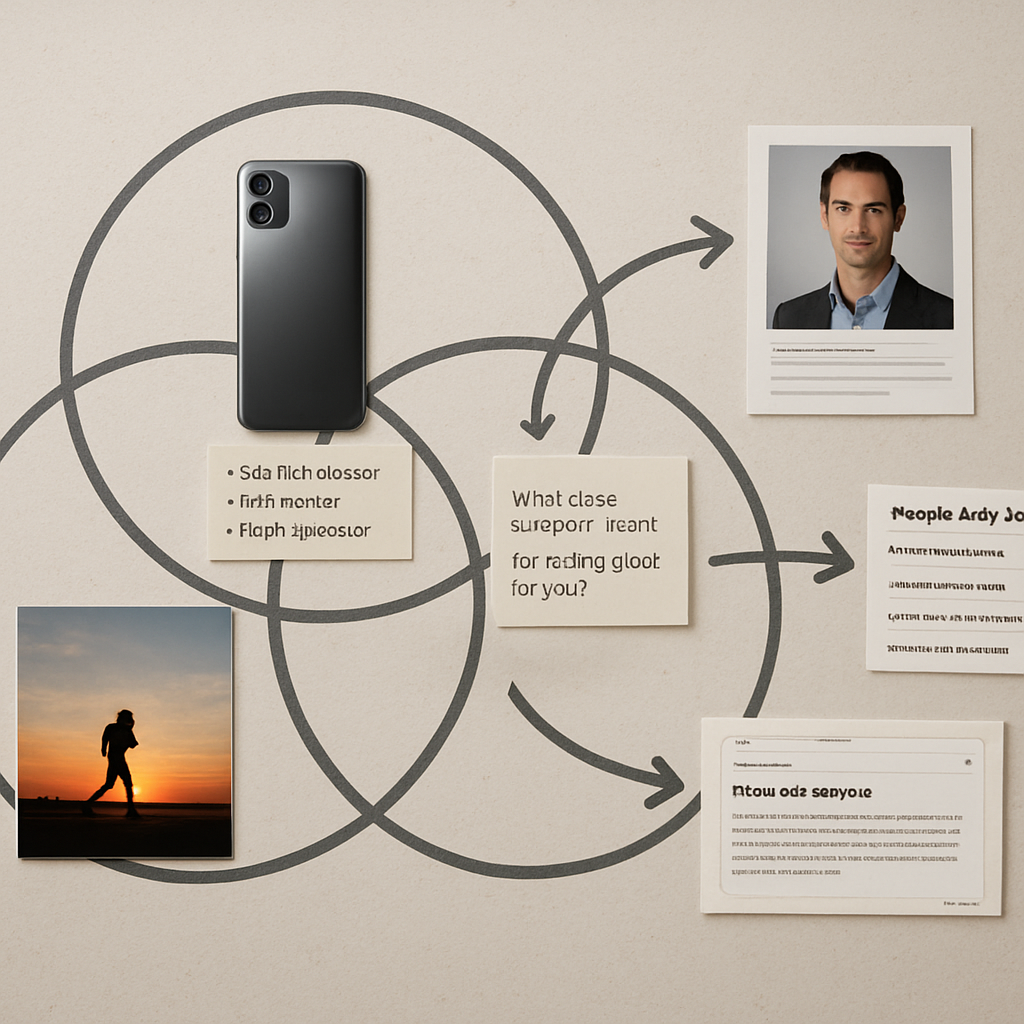
Next consideration: run a quick SERP audit for your target term, extract the top entity mentions and intent types, and update your content brief so headings and schema reflect what the searcher expects.
Finding semantic keywords: methods and tools
Start with signal fusion, not a single tool. Relying on one source produces blind spots: search engines synthesize page content, query patterns, and entity graphs. Combine SERP mining, question tools, backlinks context, and an NLP pass to produce usable semantic clusters.
Practical workflow you can run in a day
- Seed and intent map: pick a seed keyword and assign intent buckets – transactional, informational, local. This prevents collecting irrelevant synonyms that do not match user intent.
- SERP harvest: collect top 10 to 20 URLs for the seed. Capture titles, H1 H2s, meta descriptions, People Also Ask entries, and featured snippets.
- Entity extraction: run a quick NLP pass with
spaCyorGoogle Cloud Natural Languageover those pages to surface entities, attributes, and recurring noun phrases. - Question mining: pull questions from AnswerThePublic, People Also Ask, and related searches to add natural phrasing and long tail variants.
- Volume and difficulty check: validate candidate terms with Ahrefs or SEMrush for volume and keyword difficulty to avoid chasing low value clusters.
- Cluster and prioritize: group terms by intent and semantic role – primary topic, supporting subtopic, product attribute, and comparison term. Target 6 to 12 supporting terms for a page.
- Validation with Ranklytics: use cluster reports to compare your list against SERP topic coverage and to identify missing entities the current top pages are using.
Toolset notes and tradeoffs. Commercial tools like Ahrefs and SEMrush surface related keywords and search volume quickly but they miss entity-level signals. NLP APIs extract entities precisely but they return noisy, low-value phrases unless you filter by frequency and SERP presence. Ranklytics sits between those approaches by combining cluster suggestions with SERP signal checks, which reduces noise but requires manual intent mapping.
Concrete example: For the seed running shoes run the workflow: harvest top 15 SERP URLs, extract headings and entities with spaCy, then use AnswerThePublic to add question phrasing. You will likely end up with clusters like arch support, trail grip, cushioning responsiveness, sizing fit, and best shoes for flat feet. Prioritize the clusters that match commercial intent if the page has a purchase focus.
What practitioners miss. Teams often confuse volume correlation with semantic importance. A low volume attribute like breathable mesh can be critical when it signals user intent for comfort and returns rich snippet opportunities. Do not drop low volume but high intent terms if they map to user questions and SERP features.
Mix SERP mining, question extraction, and entity NLP. The sweet spot is where an entity appears in the SERP and in user questions.
Next step to scale. Convert this process into a template: seed list, SERP scrape, NLP extraction, volume filter, cluster map, and upload to your content brief tool. Use Ranklytics Keyword Research Guide for a sample template and combine with Ahrefs or SEMrush checks where you need volume and difficulty.

Mapping semantic keywords into content architecture and briefs
Concrete assertion: A content brief that explicitly maps semantic keywords to page roles and sections is the single best lever for consistent topical coverage across a site. Without that mapping editors and writers settle for scattershot mentions that score low on keyword relevance and fail to satisfy search intent at scale.
What a semantic content brief must include
A brief is not a checklist of words. Build it around the page role, target intent, and the semantic relationships the page must show. Include entity lists, example phrasing, suggested H2s that map to subtopics, and an internal linking plan that ties supporting pages back to the pillar.
| Field | Example for pillar page How to Choose Running Shoes |
|---|---|
| Title variations | How to Choose Running Shoes | Best Fit, Support, and Cushioning |
| Target URL | /how-to-choose-running-shoes |
| Primary intent | Informational with commercial comparatives |
| 5 semantic keywords | arch support; heel-to-toe drop; cushioning responsiveness; breathable mesh upper; trail vs road shoes |
| 6 suggested H2s | How fit affects performance; Understanding arch support; Cushioning types and what they feel like; When to choose trail shoes; Sizing tips and common mistakes; How to test a shoe before you buy |
| 4 FAQs | Are lightweight shoes worse for long runs?; How much arch support do I need?; Can running shoes help flat feet?; How often should I replace running shoes? |
| Structured data | Recommend Product and FAQPage JSON LD for product comparatives and FAQs |
| Internal links plan | Link to product pages for top models, link to supporting posts on arch support and trail shoes, set pillar as canonical |
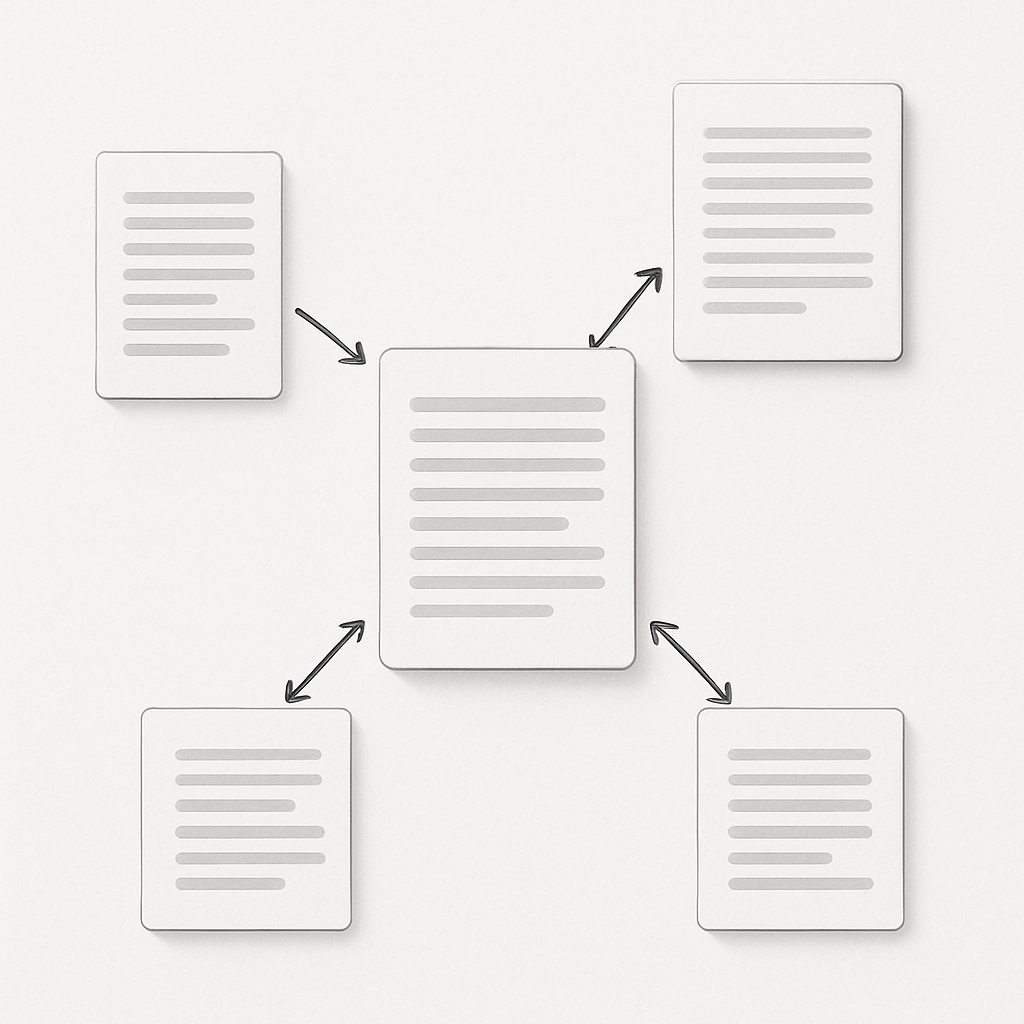
Practical insight: Assign one dominant intent per page and reserve 3 to 6 supporting semantic subtopics. Trying to cover 15 unrelated subtopics on a single page dilutes relevance and signals unfocused intent to search algorithms. If you need breadth, split into a pillar plus cluster pages and map semantic keywords across those pages with clear anchor text rules.
- Header mapping: Turn each high priority semantic term into an H2 intent slice rather than forcing exact matches in body copy.
- Anchor plan: Use descriptive anchor text that reflects semantic relationships, for example link the phrase arch support to the dedicated arch support page.
- Metadata strategy: Put intent and variation into the title and meta description so SERP users see the breadth of coverage without stuffing.
- Entity checklist: Require writers to mention specific entities or attributes in the brief to improve semantic signal, for example materials, brands, and measurable specs.
Real world example: For one retailer we mapped semantic keywords across a pillar page and three cluster pages: arch support, trail shoes, and sizing. Each cluster page targeted a single intent and linked back to the pillar with semantic anchor text. Within 10 weeks the pillar gained impressions for multiple long tail keywords and acquired two featured snippets for comparison queries.
Do not confuse coverage with depth. Covering many semantic terms shallowly is worse than covering fewer terms rigorously and linking to in depth cluster pages.
On page implementation details that improve relevance
Key point: on-page semantic signals are about where and how you place concepts, not about hitting a density target. Put semantic keyword variations into structural elements that search engines and users read first – the opening paragraph, H2s, captions, image alt text, and JSON-LD – and use metadata to reflect intent variations rather than exact-match repetition.
Tactical checklist for on-page semantic signaling
- Lead paragraph: introduce the primary topic and naturally include 1–2 high-value semantic terms to set context for the rest of the page.
- H2 / H3 strategy: use H2s to cover distinct subtopics or user intents – each H2 should target a semantic cluster rather than repeat the primary keyword.
- Images and captions: add descriptive
alttext and short captions that include attributes or entities (for product pages, highlight brand, model, and attribute). - Attribute tables: use tables or bulleted lists for comparable attributes – these capture semantic relationships that users and SERPs expect for comparative queries.
- Metadata with intent variants: craft 2–3 title/meta description variations across tests that emphasize transactional, informational, or comparative intent to improve CTR.
- Structured data: add Product, Review, and FAQPage schema with relevant properties (brand, sku, rating, acceptedPaymentMethod, question/answer) – validate with Google Search Console.
- Internal linking: use anchor text that reflects semantic roles (for example, link a gait analysis page using anchor text flat feet running shoes rather than the exact primary keyword).
- Canonicalization: ensure canonical tags point to the version with the best semantic coverage to avoid fragmenting entity signals.
Trade-off to accept: heavier semantic coverage increases content length and editing time. The practical choice is to trade breadth for clarity – cover the most common sub-intents well and link to deeper pages for niche attributes. Adding schema without substantive content is wasted effort and can create technical debt if you do not validate or maintain it.
Concrete example: For a running shoes pillar page, include an H2 such as Arch support – best running shoes for flat feet and high arches. Under that H2 include a short comparative table (arch type, recommended model, cushioning level), an image with alt = running shoe with medial arch support, and a FAQ entry added to FAQPage schema asking How do I choose arch support for flat feet? This combination signals entities, comparisons, and intent all in one section.
Judgment: writers often think stuffing synonyms into paragraphs helps; it rarely does. Semantic relevance is earned by organized coverage and explicit signals – headings, structured lists, quality tables, and accurate schema. Focus first on how the page answers distinct user intents, then map semantic terms to those answer locations.
Small changes with big leverage: a well-placed H2 plus a comparison table and a validated FAQ schema often moves SERP features faster than minor copy edits scattered across the page.
Measuring relevance and ranking impact
Core assertion: you must judge semantic optimization at the cluster and page-experience level, not by one exact-match rank. Raw keyword positions are noisy; semantic work changes the set of queries a page satisfies, the SERP features it competes for, and the click behavior — so your metrics must reflect that.
What to track and why each metric matters
- Cluster impressions and clicks: tracks demand the page now captures across related queries, not just the seed keyword.
- Rank distribution for cluster terms: shows movement for long-tail and related keywords; a rise in many low-volume queries is a reliability signal.
- SERP feature appearances: featured snippets, people also ask, knowledge panels — presence here often increases visibility more than a small rank move.
- Click through rate and organic sessions: measure whether broader relevance converts visibility into visits.
- Engagement signals: time on page, scroll depth, and conversions indicate whether added semantic content satisfies intent or just attracts uninterested clicks.
Practical limitation: these signals are affected by seasonality, promotions, and backlink activity. If you optimize content and also run a paid campaign, expect attribution confusion. The tradeoff is simple: speed versus isolation. Faster promotion gives traffic but masks the effect of semantic changes; isolating impact requires slower, controlled rollouts.
Experiment template: run a 12 week pre/post test with control pages. Week -4 to 0 collect baseline for cluster impressions, CTR, and engagement. Week 1 implement semantic changes on treatment pages: expanded headings, added entity mentions, internal links from supporting pages. Weeks 2 to 12 track weekly and compare against controls; treat SERP feature wins as early success signals even if primary rank lags.
| Metric | Why it matters |
|---|---|
| Cluster impressions | Shows whether your page now matches more queries across the semantic set |
| Featured snippet appearances | Signals improved contextual relevance; typically lifts CTR more than a rank jump |
| Average rank across cluster | Reduces volatility from single-keyword tracking; indicates broad topical authority |
| Organic sessions & conversions | Business outcome: visibility only matters if it converts or supports funnel goals |
Concrete example: a retail site optimized three product pages by adding 10 semantic subtopics, structured data, and two internal links each. Over 12 weeks cluster impressions rose 42 percent, the pages gained two featured snippets, CTR improved by 8 percent, and the primary product keyword climbed from page two to the top five. Ranking gains followed the SERP feature wins by about four weeks.
Judgment you need: prioritize metrics that reflect user satisfaction and SERP behavior over vanity rank. In practice, a drop in single-keyword rank with rising cluster impressions and better engagement usually precedes durable gains. If rankings fall and engagement does not improve, the semantic changes failed to meet user intent and should be rolled back.
Next consideration: if results are mixed after 12 weeks, audit backlinks and internal linking before rewriting content again; semantic coverage needs supporting signals to scale into top results. For practical guidance on keyword research and clustering workflows see the Keyword Research Guide – Ranklytics and Google's notes on relevance at Google Search Central.
Scaling semantic optimization: workflows, delegation, and AI
Start by separating discovery, briefing, and execution. Teams that try to do all three at once produce inconsistent coverage and slow rollouts. Use a repeatable pipeline where Ranklytics or another tool produces semantic clusters, writers consume a standardized brief, and editors enforce entity and intent accuracy before publish.
Template-driven workflow
- Cluster generation: run semantic keyword clustering from a seed term and export the top 30 related keywords, entities, and intent tags.
- Brief template: include target intent, 6–12 semantic keywords, suggested H2s, required entities, sample external sources, schema suggestions, and target internal links.
- Tasking: assign draft to junior writer with a 90–120 minute timebox and clear acceptance criteria.
- Editorial gate: require an editor to validate entity use, citations, and structured data. Reject briefs that miss two or more high-value entities.
- Staging and tracking: publish to a staging URL, run a quick SERP signal check (People Also Ask, related searches), then schedule live publish and promotion.
- Measure and iterate: after 4–8 weeks review cluster-level metrics and update briefs where gaps remain.
Practical trade-off: automation speeds output but increases risk of factual errors and surface-level coverage. Prioritize editorial review over throughput when content supports commercial intent or brand-sensitive topics; for low-risk informational pages you can accept lighter review to scale velocity.
Delegation roles that work in practice: give junior writers the mechanical tasks—outline expansion, first draft, basic on-page markup—while reserving entity checks, schema implementation, and internal linking decisions for senior editors or SEO owners. This keeps semantic accuracy where it matters and lets the team produce volume without losing topical authority.
Concrete Example: A mid-market ecommerce SEO team used Ranklytics to generate 60 semantic clusters, routed briefs to three junior writers, and required an editor sign-off checklist before publish. Within 10 weeks the team saw improved SERP impressions for cluster terms and two new featured snippets for comparison pages; the editor prevented three instances of incorrect product specifications that would have hurt CTR.
Important: never publish AI drafts without an entity checklist and at least one human fact-check—hallucinations usually show up in product attributes and brand references.
Next consideration: run small scale experiments (5–10 pages) to validate your SOP before you scale to monthly quotas. Focus initial automation on low-risk pages and lock down editorial gates for high-impact content.

Written by
ranklytics