














Table of Contents
- 1 7 Proven Ways to Increase Your Search Engine Rankings
- 1.1 Leveraging Advanced Keyword Research Techniques
- 1.2 Optimizing On-Page Elements Beyond Basics
- 1.3 Enhancing Content Quality Through Depth and Relevance
- 1.4 Building a Robust Internal Linking Strategy
- 1.5 Implementing Technical SEO Best Practices
- 1.6 Cultivating High-Quality Backlinks Through Strategic Outreach
- 1.7 Utilizing Data Analytics for Continuous Improvement
7 Proven Ways to Increase Your Search Engine Rankings
Leveraging Advanced Keyword Research Techniques
Forget the days of tossing a few keywords into your content and hoping for the best. If you want to increase search engine ranking, you need to get down and dirty with advanced keyword research techniques that can make your competitors weep.
A whopping 70% of marketers say keyword research is their top priority in SEO strategy.
Digging Deeper with Long-Tail Keywords
Long-tail keywords are like the secret sauce in your SEO recipe. Instead of targeting broad phrases like shoes, think about what someone really wants, like best running shoes for flat feet. Not only are these phrases less competitive, but they also attract users who know exactly what they're looking for—meaning higher conversion rates for you.
- Use tools like Ubersuggest or AnswerThePublic to find long-tail variations.
- Incorporate these phrases naturally into your content and headers.
- Monitor their performance regularly and adjust your strategy accordingly.
Competitor Analysis: Learning from the Best
Keep your friends close and your competitors closer might not be a quote from an SEO guru, but it should be. Analyzing competitors can reveal hidden keyword opportunities that you might have overlooked. Tools like SEMrush or Ahrefs allow you to see which keywords are driving traffic to their sites—information that's pure gold.
People Also Ask and Other Google Features
People Also Ask boxes on Google search results are treasure troves of potential keywords. Not only do they provide insights into what users are curious about, but they also give you ideas for content that answers those questions. Leverage this feature by creating targeted content around these queries, which can help boost your visibility significantly.
| Keyword Type | % Search Volume | % Competition |
|---|---|---|
| Short-Tail Keywords | <40% | >80% |
| Long-Tail Keywords | >60% | <30% |
| Competitor Keywords | >50% | >70% |
Forget the days of tossing a few keywords into your content and hoping for the best. If you want to increase search engine ranking, you need to get down and dirty with advanced keyword research techniques that can make your competitors weep.
A whopping 70% of marketers say keyword research is their top priority in SEO strategy.
Digging Deeper with Long-Tail Keywords
Long-tail keywords are like the secret sauce in your SEO recipe. Instead of targeting broad phrases like shoes, think about what someone really wants, like best running shoes for flat feet. Not only are these phrases less competitive, but they also attract users who know exactly what they're looking for—meaning higher conversion rates for you.
- Use tools like Ubersuggest or AnswerThePublic to find long-tail variations.
- Incorporate these phrases naturally into your content and headers.
- Monitor their performance regularly and adjust your strategy accordingly.
Competitor Analysis: Learning from the Best
Keep your friends close and your competitors closer might not be a quote from an SEO guru, but it should be. Analyzing competitors can reveal hidden keyword opportunities that you might have overlooked. Tools like SEMrush or Ahrefs allow you to see which keywords are driving traffic to their sites—information that's pure gold.
People Also Ask and Other Google Features
People Also Ask boxes on Google search results are treasure troves of potential keywords. Not only do they provide insights into what users are curious about, but they also give you ideas for content that answers those questions. Leverage this feature by creating targeted content around these queries, which can help boost your visibility significantly.
| Keyword Type | % Search Volume | % Competition |
|---|---|---|
| Short-Tail Keywords | <40% | >80% |
| Long-Tail Keywords | >60% | <30% |
| Competitor Keywords | >50% | >70% |
Optimizing On-Page Elements Beyond Basics
If you think slapping a few keywords into your title and meta description is enough to increase search engine ranking, think again. In the vast digital landscape, where millions of pages compete for attention, optimizing on-page elements is an art form that goes way beyond the basics.
Consider this: a study by Search Engine Journal found that 75% of users never scroll past the first page of search results. If your on-page elements aren’t optimized to grab attention, you might as well be shouting into the void.
Crafting Compelling Title Tags
Your title tag is like a first date—make it count! A well-crafted title not only includes your primary keyword but also piques curiosity. Instead of Best Running Shoes, try something like Discover the Best Running Shoes for Every Type of Runner. This approach not only improves click-through rates but also gives users a reason to choose your link over others.
A compelling title can increase click-through rates by up to 20%!
Meta Descriptions: Your Secret Weapon
Meta descriptions are often overlooked, yet they hold immense power in enticing clicks. Think of them as your personal billboard. A good meta description should summarize your content while incorporating emotional triggers or questions that resonate with potential readers. For instance, instead of saying We sell shoes, try Tired of sore feet? Explore our collection of shoes designed for ultimate comfort!
- Keep it under 160 characters.
- Include a call-to-action (CTA).
- Make it specific and relevant to the page content.
Alt Tags: Not Just for Accessibility
Alt tags are like secret notes left for search engines and visually impaired users alike. They describe images on your page and should include relevant keywords. This not only helps with SEO but also enhances user experience. Instead of using generic phrases like image1.jpg, be descriptive: woman-running-in-comfortable-shoes.jpg. This small tweak can help increase search engine ranking by making your content more understandable.
Header Tags: The Hierarchy Matters
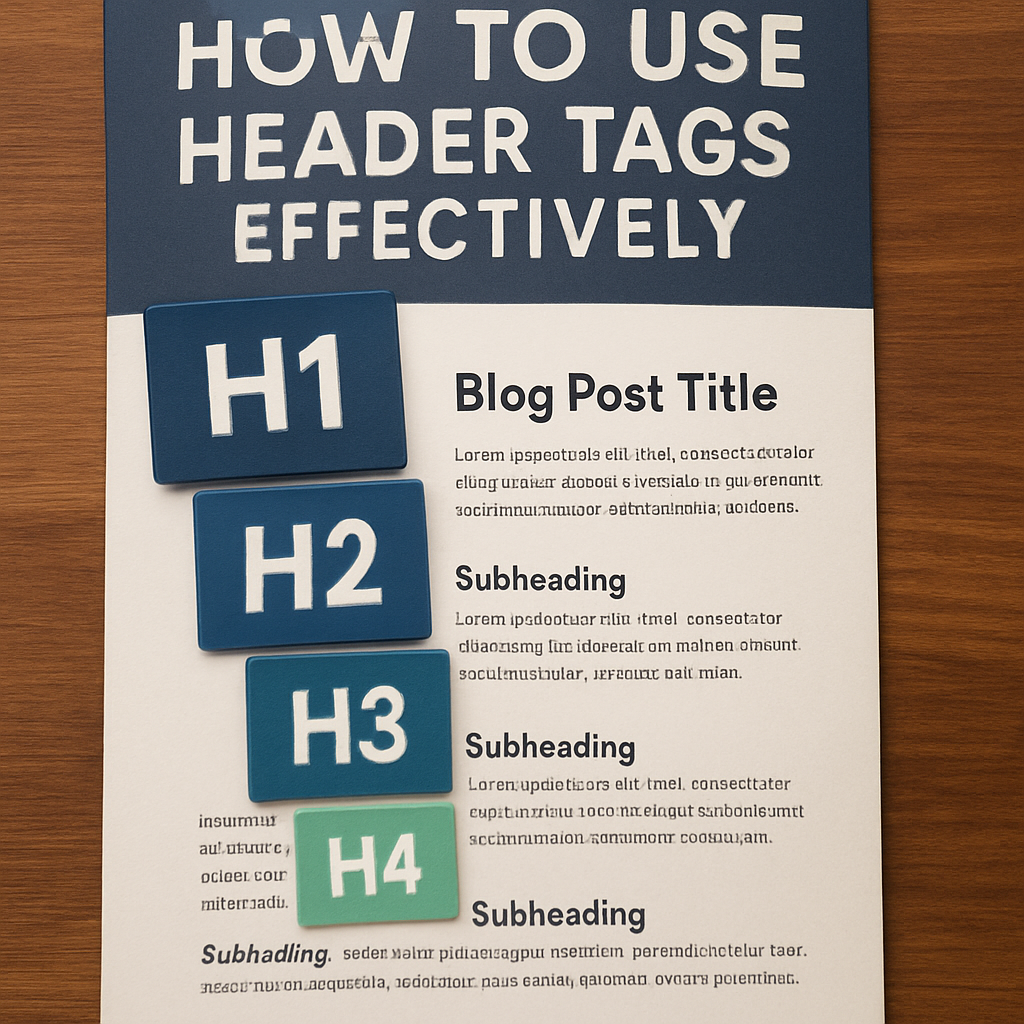
Utilizing header tags (H1, H2, H3) properly creates an outline for both readers and search engines. Your H1 should encapsulate the main topic (and include your primary keyword), while H2s can break down subtopics that enhance readability. For instance, if you're writing about running shoes, use H2s for categories like Best Shoes for Trail Running or Top Picks for Marathon Training. This structure not only helps with SEO but also keeps readers engaged.
Incorporating these on-page elements strategically can significantly impact how well you rank in search results. It’s about creating a user-friendly experience while signaling to search engines that your content is worth ranking higher.
Next time you're optimizing a page, remember that each element serves a purpose beyond mere decoration; they all work together to increase search engine ranking and improve user engagement. So roll up those sleeves and get ready to make some impactful changes!
If you think slapping a few keywords into your title and meta description is enough to increase search engine ranking, think again. In the vast digital landscape, where millions of pages compete for attention, optimizing on-page elements is an art form that goes way beyond the basics.
Consider this: a study by Search Engine Journal found that 75% of users never scroll past the first page of search results. If your on-page elements aren’t optimized to grab attention, you might as well be shouting into the void.
Crafting Compelling Title Tags
Your title tag is like a first date—make it count! A well-crafted title not only includes your primary keyword but also piques curiosity. Instead of Best Running Shoes, try something like Discover the Best Running Shoes for Every Type of Runner. This approach not only improves click-through rates but also gives users a reason to choose your link over others.
A compelling title can increase click-through rates by up to 20%!
Meta Descriptions: Your Secret Weapon
Meta descriptions are often overlooked, yet they hold immense power in enticing clicks. Think of them as your personal billboard. A good meta description should summarize your content while incorporating emotional triggers or questions that resonate with potential readers. For instance, instead of saying We sell shoes, try Tired of sore feet? Explore our collection of shoes designed for ultimate comfort!
- Keep it under 160 characters.
- Include a call-to-action (CTA).
- Make it specific and relevant to the page content.
Alt Tags: Not Just for Accessibility
Alt tags are like secret notes left for search engines and visually impaired users alike. They describe images on your page and should include relevant keywords. This not only helps with SEO but also enhances user experience. Instead of using generic phrases like image1.jpg, be descriptive: woman-running-in-comfortable-shoes.jpg. This small tweak can help increase search engine ranking by making your content more understandable.
Header Tags: The Hierarchy Matters
Utilizing header tags (H1, H2, H3) properly creates an outline for both readers and search engines. Your H1 should encapsulate the main topic (and include your primary keyword), while H2s can break down subtopics that enhance readability. For instance, if you're writing about running shoes, use H2s for categories like Best Shoes for Trail Running or Top Picks for Marathon Training. This structure not only helps with SEO but also keeps readers engaged.
Incorporating these on-page elements strategically can significantly impact how well you rank in search results. It’s about creating a user-friendly experience while signaling to search engines that your content is worth ranking higher.
Next time you're optimizing a page, remember that each element serves a purpose beyond mere decoration; they all work together to increase search engine ranking and improve user engagement. So roll up those sleeves and get ready to make some impactful changes!
Enhancing Content Quality Through Depth and Relevance
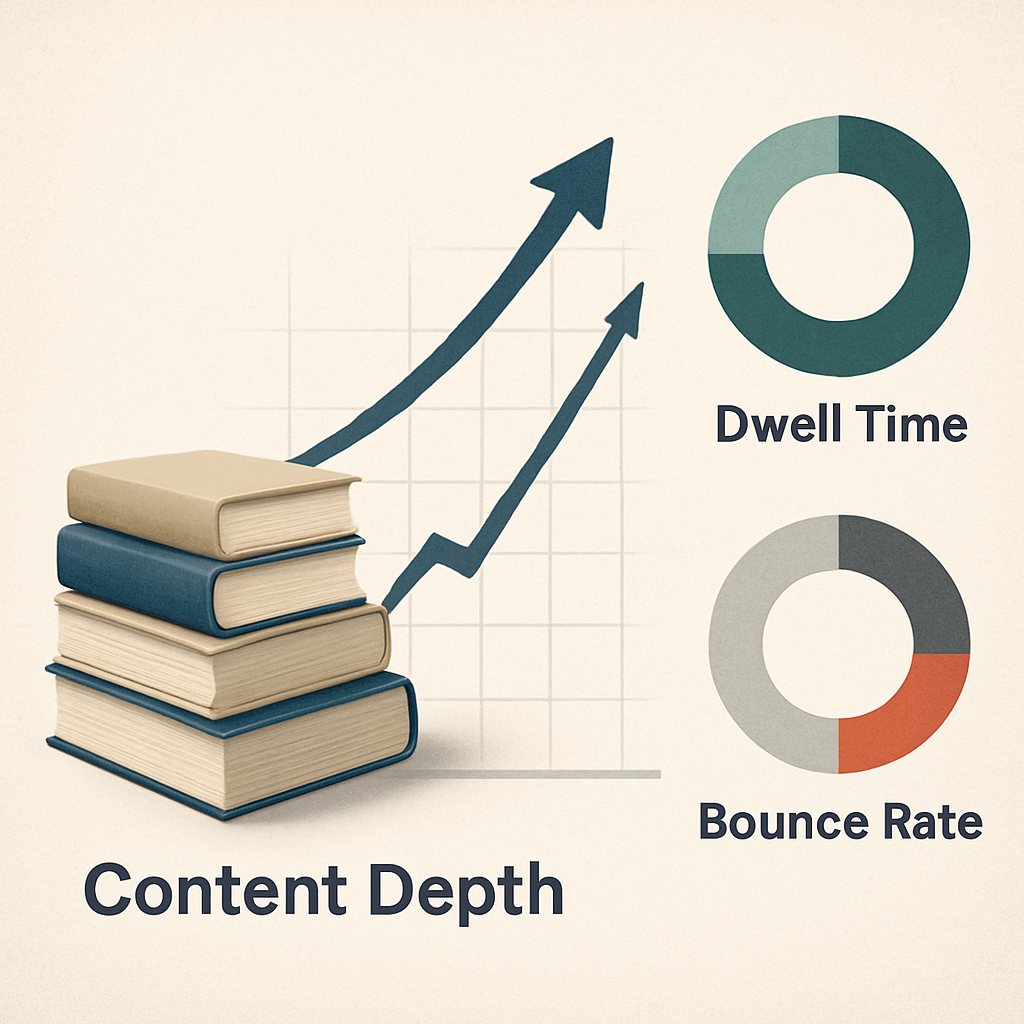
Here's a nugget for you: content that dives deep into a topic can increase your search engine ranking by up to 300%. That's not just a number—it's a game changer. When your content is rich, informative, and engaging, it doesn't just attract readers; it keeps them on your page longer, which signals to search engines that you're offering real value.
Consider a local bakery's blog post about baking bread. If they simply outline the process with minimal details, readers might skim through and bounce. But if they delve into the science of yeast fermentation, share personal anecdotes about family recipes, or even provide troubleshooting tips for common mistakes, suddenly that post transforms into a treasure trove of information. This depth not only captivates the audience but also boosts SEO rankings.
The Importance of Relevance
Relevance is where many fall short. It’s not enough to write extensively; your content must resonate with what users are actively searching for. For instance, if you're writing about fitness tips for busy professionals, don't just list exercises—tailor your advice to their specific challenges like time constraints or equipment limitations. This makes your content more applicable and likely to be shared.
- Conduct thorough research on trending topics within your niche.
- Use tools like Google Trends or BuzzSumo to find relevant subjects.
- Engage with your audience through comments or social media to understand their needs.
Creating Comprehensive Content
Skimming is the name of the game in today's digital world. Readers want quick answers but also crave depth when they decide to invest time in a piece of content. Crafting comprehensive articles—those that cover multiple angles of a subject—can significantly enhance user engagement and satisfaction.
Longer content tends to rank better in search results because it provides more information.
So how do you ensure depth? Start by creating an outline that covers all aspects of your topic. Break it down into subsections that allow for detailed exploration without overwhelming the reader. Incorporate visuals like charts or infographics to illustrate complex points clearly.
Here's a nugget for you: content that dives deep into a topic can increase your search engine ranking by up to 300%. That's not just a number—it's a game changer. When your content is rich, informative, and engaging, it doesn't just attract readers; it keeps them on your page longer, which signals to search engines that you're offering real value.
Consider a local bakery's blog post about baking bread. If they simply outline the process with minimal details, readers might skim through and bounce. But if they delve into the science of yeast fermentation, share personal anecdotes about family recipes, or even provide troubleshooting tips for common mistakes, suddenly that post transforms into a treasure trove of information. This depth not only captivates the audience but also boosts SEO rankings.
The Importance of Relevance
Relevance is where many fall short. It’s not enough to write extensively; your content must resonate with what users are actively searching for. For instance, if you're writing about fitness tips for busy professionals, don't just list exercises—tailor your advice to their specific challenges like time constraints or equipment limitations. This makes your content more applicable and likely to be shared.
- Conduct thorough research on trending topics within your niche.
- Use tools like Google Trends or BuzzSumo to find relevant subjects.
- Engage with your audience through comments or social media to understand their needs.
Creating Comprehensive Content
Skimming is the name of the game in today's digital world. Readers want quick answers but also crave depth when they decide to invest time in a piece of content. Crafting comprehensive articles—those that cover multiple angles of a subject—can significantly enhance user engagement and satisfaction.
Longer content tends to rank better in search results because it provides more information.
So how do you ensure depth? Start by creating an outline that covers all aspects of your topic. Break it down into subsections that allow for detailed exploration without overwhelming the reader. Incorporate visuals like charts or infographics to illustrate complex points clearly.
Building a Robust Internal Linking Strategy
Internal linking is like the glue that holds your website together. But here’s the kicker: many businesses overlook it, thinking it’s just a minor detail. In reality, a solid internal linking strategy can increase search engine ranking by helping search engines understand your site’s structure and guiding users through your content.
Consider this: websites with a well-planned internal linking structure can see up to a 40% increase in organic traffic. Why? Because they help distribute page authority throughout the site and improve user experience by making navigation smoother.
Why Internal Links Matter
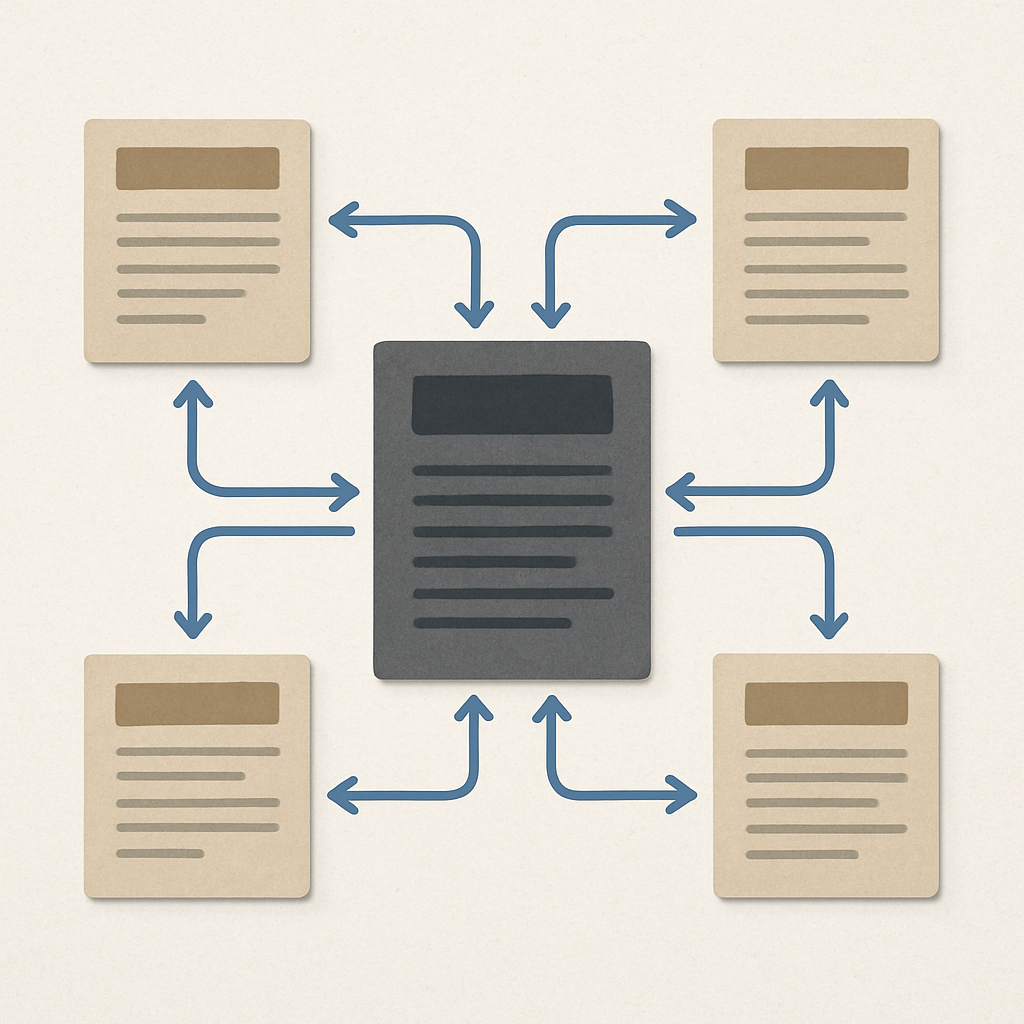
Imagine you’re exploring a vast library. If the books are scattered with no clear system, you’d get lost quickly. Similarly, internal links act as signposts in your digital library, directing both users and search engines to valuable content. They not only enhance user experience but also signal to search engines which pages are most important.
A well-structured internal linking strategy can lead to higher rankings for your most important pages.
How to Create an Effective Internal Linking Strategy
- Identify cornerstone content: Start by pinpointing your most valuable pages—those that provide comprehensive insights on key topics.
- Use descriptive anchor text: Instead of generic phrases like click here, use keyword-rich phrases that describe the linked content.
- Link strategically: Ensure that each link serves a purpose and provides value to the reader; don’t just link for the sake of it.
- Audit regularly: Periodically review your internal links to ensure they still make sense as your content evolves.
'Do's' and 'Don'ts' of Internal Linking
- Do: Prioritize links to high-value pages within relevant content.
- 'Don't': Overlink or create an excessive number of links on a single page—this can confuse readers and dilute authority.
- Do: Update old posts with new internal links as you publish fresh content.
- 'Don't': Ignore orphaned pages—those without any inbound links from other parts of your site.
In summary, building a robust internal linking strategy isn’t just about SEO—it’s about creating an enjoyable user experience that keeps visitors coming back for more. So take some time this week to assess and refine your internal links; you might just find yourself climbing those rankings!
Internal linking is like the glue that holds your website together. But here’s the kicker: many businesses overlook it, thinking it’s just a minor detail. In reality, a solid internal linking strategy can increase search engine ranking by helping search engines understand your site’s structure and guiding users through your content.
Consider this: websites with a well-planned internal linking structure can see up to a 40% increase in organic traffic. Why? Because they help distribute page authority throughout the site and improve user experience by making navigation smoother.
Why Internal Links Matter
Imagine you’re exploring a vast library. If the books are scattered with no clear system, you’d get lost quickly. Similarly, internal links act as signposts in your digital library, directing both users and search engines to valuable content. They not only enhance user experience but also signal to search engines which pages are most important.
A well-structured internal linking strategy can lead to higher rankings for your most important pages.
How to Create an Effective Internal Linking Strategy
- Identify cornerstone content: Start by pinpointing your most valuable pages—those that provide comprehensive insights on key topics.
- Use descriptive anchor text: Instead of generic phrases like click here, use keyword-rich phrases that describe the linked content.
- Link strategically: Ensure that each link serves a purpose and provides value to the reader; don’t just link for the sake of it.
- Audit regularly: Periodically review your internal links to ensure they still make sense as your content evolves.
'Do's' and 'Don'ts' of Internal Linking
- Do: Prioritize links to high-value pages within relevant content.
- 'Don't': Overlink or create an excessive number of links on a single page—this can confuse readers and dilute authority.
- Do: Update old posts with new internal links as you publish fresh content.
- 'Don't': Ignore orphaned pages—those without any inbound links from other parts of your site.
In summary, building a robust internal linking strategy isn’t just about SEO—it’s about creating an enjoyable user experience that keeps visitors coming back for more. So take some time this week to assess and refine your internal links; you might just find yourself climbing those rankings!
Implementing Technical SEO Best Practices
Technical SEO is like the unsung hero of your website’s performance—often overlooked but absolutely crucial for increasing search engine ranking. Think of it this way: if your website is a car, technical SEO is the engine that keeps it running smoothly. Without it, you might be cruising along, but you're not going to win any races.
A staggering 90% of pages on the internet get zero organic traffic from Google due to poor technical optimization.
1. Optimize Your Site Speed
Speed is king in the digital realm. A one-second delay in loading time can lead to a 7% reduction in conversions. To increase search engine ranking, start by testing your site with tools like Google PageSpeed Insights or GTmetrix. They’ll provide insights into what’s dragging you down—be it oversized images or bloated code—and actionable steps to speed things up.
- Compress images using tools like TinyPNG.
- Minify CSS, JavaScript, and HTML files.
- Leverage browser caching.
2. Ensure Mobile-Friendliness
Mobile-first isn’t just a trend; it's a necessity. With over half of all web traffic coming from mobile devices, Google prioritizes mobile-friendly sites in its rankings. Use Google’s Mobile-Friendly Test tool to check your site’s responsiveness and make adjustments as needed.
- 'Adopt responsive design for seamless viewing on all devices.
- 'Avoid using Flash; it’s a relic of the past.
- 'Ensure buttons and links are easy to click on mobile screens.
3. Implement an SSL Certificate
'Security is paramount! An SSL certificate not only protects your users’ data but also boosts your search engine ranking as Google considers HTTPS sites more trustworthy. Switching from HTTP to HTTPS can be done easily through most hosting providers with just a few clicks.
4. Create an XML Sitemap
An XML sitemap acts as a roadmap for search engines, guiding them through your site structure and ensuring they index all relevant pages. You can easily generate one using plugins like Yoast SEO or online tools like XML-sitemaps.com.
- Submit your sitemap to Google Search Console.
- Update it regularly as you add new content.
- Keep it clean—remove outdated URLs.
5. Optimize Your Robots.txt File
Technical SEO is like the unsung hero of your website’s performance—often overlooked but absolutely crucial for increasing search engine ranking. Think of it this way: if your website is a car, technical SEO is the engine that keeps it running smoothly. Without it, you might be cruising along, but you're not going to win any races.
A staggering 90% of pages on the internet get zero organic traffic from Google due to poor technical optimization.
1. Optimize Your Site Speed
Speed is king in the digital realm. A one-second delay in loading time can lead to a 7% reduction in conversions. To increase search engine ranking, start by testing your site with tools like Google PageSpeed Insights or GTmetrix. They’ll provide insights into what’s dragging you down—be it oversized images or bloated code—and actionable steps to speed things up.
- Compress images using tools like TinyPNG.
- Minify CSS, JavaScript, and HTML files.
- Leverage browser caching.
2. Ensure Mobile-Friendliness
Mobile-first isn’t just a trend; it's a necessity. With over half of all web traffic coming from mobile devices, Google prioritizes mobile-friendly sites in its rankings. Use Google’s Mobile-Friendly Test tool to check your site’s responsiveness and make adjustments as needed.
- 'Adopt responsive design for seamless viewing on all devices.
- 'Avoid using Flash; it’s a relic of the past.
- 'Ensure buttons and links are easy to click on mobile screens.
3. Implement an SSL Certificate
'Security is paramount! An SSL certificate not only protects your users’ data but also boosts your search engine ranking as Google considers HTTPS sites more trustworthy. Switching from HTTP to HTTPS can be done easily through most hosting providers with just a few clicks.
4. Create an XML Sitemap
An XML sitemap acts as a roadmap for search engines, guiding them through your site structure and ensuring they index all relevant pages. You can easily generate one using plugins like Yoast SEO or online tools like XML-sitemaps.com.
- Submit your sitemap to Google Search Console.
- Update it regularly as you add new content.
- Keep it clean—remove outdated URLs.
5. Optimize Your Robots.txt File
Cultivating High-Quality Backlinks Through Strategic Outreach
Imagine launching a brand-new website, brimming with useful content, only to hear crickets when it comes to traffic. It’s frustrating, right? Well, the reality is that without high-quality backlinks, your site might as well be a well-kept secret in the vast internet wilderness. In fact, studies show that websites with strong backlink profiles rank significantly higher in search results—up to 90% higher! So how do you cultivate these coveted links through strategic outreach?
Identifying Your Target Audience
Before you start sending out emails like confetti at a parade, take a moment to think strategically about who you want to reach. Consider your niche and identify influencers, bloggers, or websites that align with your content. For instance, if you're running a health blog focused on vegan recipes, reaching out to plant-based lifestyle influencers or nutritionists can yield fruitful results.
- Create a spreadsheet to track potential sites and their contact information.
- Look for sites that have linked to similar content in the past.
- Engage with their content on social media before reaching out.
Crafting Personalized Outreach Emails
Hey there! I love your blog! might work for some, but let’s get real: generic outreach emails are about as effective as a chocolate teapot. Personalization is key. Start by mentioning specific pieces of their work that resonated with you—this shows you’re not just another faceless email in their inbox.
Personalized emails have a response rate up to 10 times higher than generic ones!
I recently wrote an article on [your topic] that complements your piece on [their topic]. I think it would provide value to your readers! This approach not only highlights mutual benefits but also positions you as someone who genuinely cares about adding value.
Follow Up: The Art of Persistence
No response? No problem. Following up is part of the game. A gentle nudge after a week or two can remind them of your initial email without being pushy. Sometimes it takes multiple touches for someone to take action—think of it like dating; persistence pays off!
- Keep it short and sweet—no one wants to read an essay.
- Express gratitude for their time and consideration.
Measuring Success and Adjusting Your Strategy
Once you've sent out your outreach emails, it's crucial to measure success. Use tools like Google Analytics or Ahrefs to track referral traffic from the links you've secured. If certain types of outreach yield better results than others, adjust your strategy accordingly.
Analyze which emails received responses and which didn’t; this will help refine your approach!
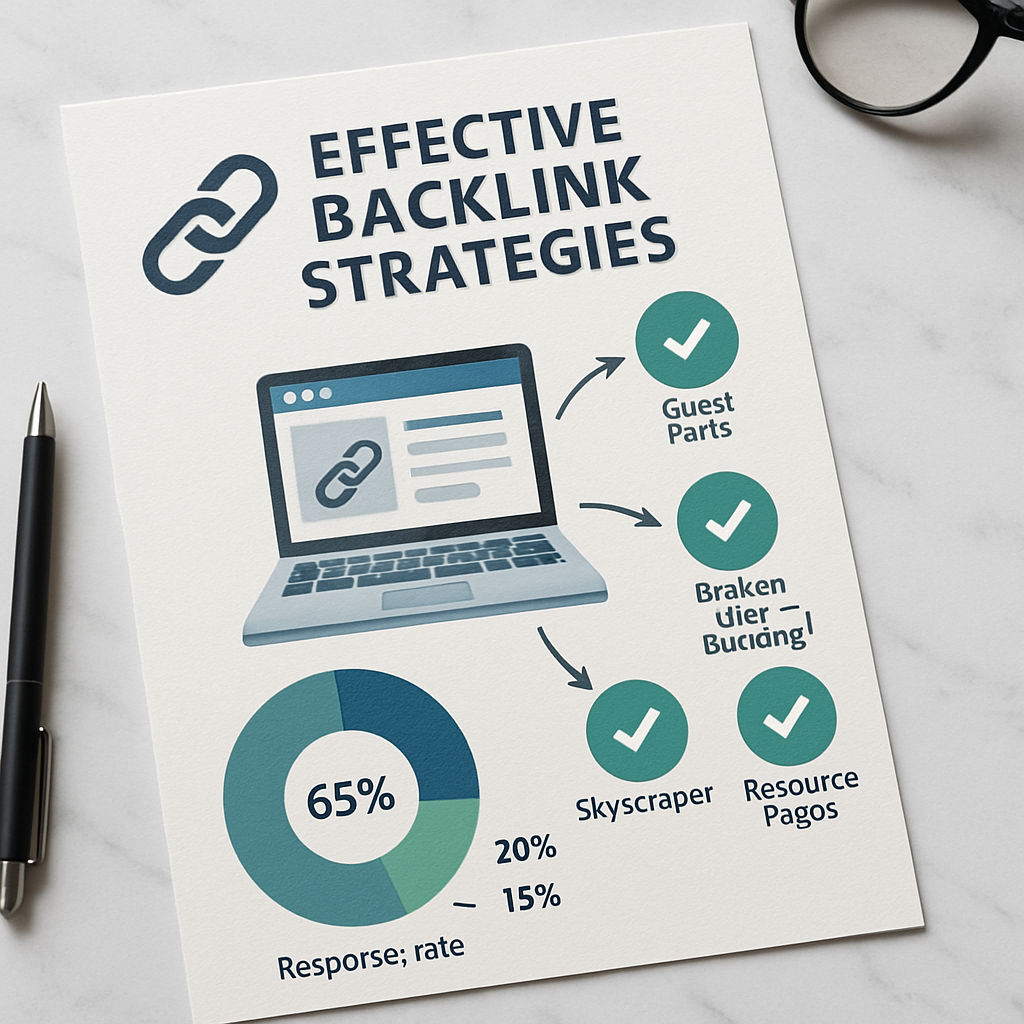
Imagine launching a brand-new website, brimming with useful content, only to hear crickets when it comes to traffic. It’s frustrating, right? Well, the reality is that without high-quality backlinks, your site might as well be a well-kept secret in the vast internet wilderness. In fact, studies show that websites with strong backlink profiles rank significantly higher in search results—up to 90% higher! So how do you cultivate these coveted links through strategic outreach?
Identifying Your Target Audience
Before you start sending out emails like confetti at a parade, take a moment to think strategically about who you want to reach. Consider your niche and identify influencers, bloggers, or websites that align with your content. For instance, if you're running a health blog focused on vegan recipes, reaching out to plant-based lifestyle influencers or nutritionists can yield fruitful results.
- Create a spreadsheet to track potential sites and their contact information.
- Look for sites that have linked to similar content in the past.
- Engage with their content on social media before reaching out.
Crafting Personalized Outreach Emails
Hey there! I love your blog! might work for some, but let’s get real: generic outreach emails are about as effective as a chocolate teapot. Personalization is key. Start by mentioning specific pieces of their work that resonated with you—this shows you’re not just another faceless email in their inbox.
Personalized emails have a response rate up to 10 times higher than generic ones!
I recently wrote an article on [your topic] that complements your piece on [their topic]. I think it would provide value to your readers! This approach not only highlights mutual benefits but also positions you as someone who genuinely cares about adding value.
Follow Up: The Art of Persistence
No response? No problem. Following up is part of the game. A gentle nudge after a week or two can remind them of your initial email without being pushy. Sometimes it takes multiple touches for someone to take action—think of it like dating; persistence pays off!
- Keep it short and sweet—no one wants to read an essay.
- Express gratitude for their time and consideration.
Measuring Success and Adjusting Your Strategy
Once you've sent out your outreach emails, it's crucial to measure success. Use tools like Google Analytics or Ahrefs to track referral traffic from the links you've secured. If certain types of outreach yield better results than others, adjust your strategy accordingly.
Analyze which emails received responses and which didn’t; this will help refine your approach!
Utilizing Data Analytics for Continuous Improvement
If you're not using data analytics to increase search engine ranking, you might as well be throwing darts blindfolded. A staggering 80% of marketers say that data-driven decisions lead to better results. So, if you’re still relying on gut feelings or outdated practices, it’s time to wake up and smell the algorithms.
Let’s take a look at a real-world example: a mid-sized e-commerce site selling eco-friendly products. They noticed their traffic was stagnating despite a solid content strategy. After diving into their analytics, they discovered that certain product pages had high bounce rates and low conversion rates. This was a clear signal that something wasn’t resonating with visitors.
Identifying Key Performance Indicators (KPIs)
To effectively utilize data analytics, start by identifying the right KPIs for your SEO goals. Are you looking at organic traffic, bounce rates, or conversion rates? Each metric tells a different story. For instance, if your organic traffic is high but your bounce rate is even higher, it’s time to reassess your content strategy.
- Organic Traffic: Measures how many visitors arrive via search engines.
- Bounce Rate: Indicates the percentage of visitors who leave after viewing only one page.
- Conversion Rate: Shows how many visitors take desired actions like making a purchase or signing up for a newsletter.
Leveraging Tools for Insights
Tools like Google Analytics and SEMrush are essential in this journey. They provide insights into user behavior and help identify which keywords are driving traffic. For our eco-friendly e-commerce site, they found that specific long-tail keywords related to sustainable living were underperforming despite being highly searched.
Data is not just numbers; it tells you what your audience wants!
With this knowledge in hand, they revamped their product descriptions and blog content to align with user intent—resulting in a 35% increase in conversions over three months!
A/B Testing: The Secret Sauce
A/B testing is like having your cake and eating it too—testing two different versions of something to see which performs better without sacrificing anything! For instance, our eco-friendly brand could test two different call-to-action buttons on their product pages: Buy Now versus Shop Eco-Friendly Products. The results can be eye-opening!
- Set up two variations of your page with different elements.
- Drive equal amounts of traffic to both versions.
- Analyze which version leads to more conversions.
In summary, utilizing data analytics isn’t just about collecting numbers; it’s about transforming those numbers into actionable insights that drive continuous improvement. So dig into your analytics today—your future rankings depend on it!
If you're not using data analytics to increase search engine ranking, you might as well be throwing darts blindfolded. A staggering 80% of marketers say that data-driven decisions lead to better results. So, if you’re still relying on gut feelings or outdated practices, it’s time to wake up and smell the algorithms.
Let’s take a look at a real-world example: a mid-sized e-commerce site selling eco-friendly products. They noticed their traffic was stagnating despite a solid content strategy. After diving into their analytics, they discovered that certain product pages had high bounce rates and low conversion rates. This was a clear signal that something wasn’t resonating with visitors.
Identifying Key Performance Indicators (KPIs)
To effectively utilize data analytics, start by identifying the right KPIs for your SEO goals. Are you looking at organic traffic, bounce rates, or conversion rates? Each metric tells a different story. For instance, if your organic traffic is high but your bounce rate is even higher, it’s time to reassess your content strategy.
- Organic Traffic: Measures how many visitors arrive via search engines.
- Bounce Rate: Indicates the percentage of visitors who leave after viewing only one page.
- Conversion Rate: Shows how many visitors take desired actions like making a purchase or signing up for a newsletter.
Leveraging Tools for Insights
Tools like Google Analytics and SEMrush are essential in this journey. They provide insights into user behavior and help identify which keywords are driving traffic. For our eco-friendly e-commerce site, they found that specific long-tail keywords related to sustainable living were underperforming despite being highly searched.
Data is not just numbers; it tells you what your audience wants!
With this knowledge in hand, they revamped their product descriptions and blog content to align with user intent—resulting in a 35% increase in conversions over three months!
A/B Testing: The Secret Sauce
A/B testing is like having your cake and eating it too—testing two different versions of something to see which performs better without sacrificing anything! For instance, our eco-friendly brand could test two different call-to-action buttons on their product pages: Buy Now versus Shop Eco-Friendly Products. The results can be eye-opening!
- Set up two variations of your page with different elements.
- Drive equal amounts of traffic to both versions.
- Analyze which version leads to more conversions.
In summary, utilizing data analytics isn’t just about collecting numbers; it’s about transforming those numbers into actionable insights that drive continuous improvement. So dig into your analytics today—your future rankings depend on it!